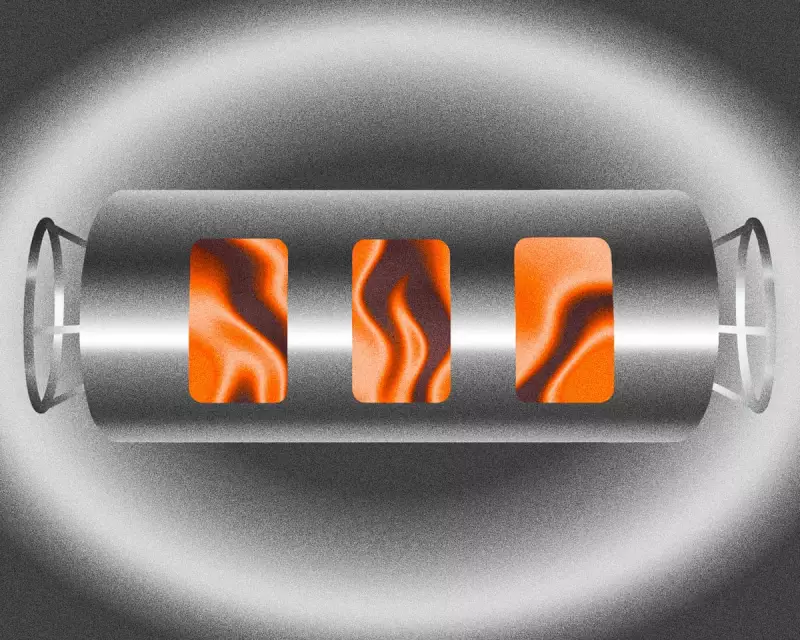
The US Food and Drug Administration (FDA) has authorised hyperbaric oxygen therapy (HBOT) for marketing as a treatment for just 13 specific medical conditions. Despite this, a growing number of wellness clinics and med spas across the United States are promoting the therapy for more than 100 different ailments, from wrinkles to autism, creating what experts describe as a dangerous regulatory vacuum.
A Spark of Static, a Tragic Fire
On a cold January morning in Troy, Michigan, five-year-old Thomas Cooper arrived with his mother for an HBOT session marketed for his ADHD and sleep apnea. Inside the pressurised, oxygen-rich chamber at the Oxford Center, a tragic sequence unfolded. According to an expert who reviewed video evidence, Thomas squirmed, pulling a sheet and generating a static electricity spark. In the pure oxygen environment, it ignited a flash fire that killed him within seconds, leaving his mother with severe burns.
The Michigan attorney general alleges multiple safety failures that day: no physician or safety coordinator was on site, the technician was improperly trained, the chamber was poorly maintained and too old, and Thomas was not fitted with a required grounding strap. The centre's owner, CEO, safety manager, and the chamber operator now face criminal charges, including second-degree murder, to which they have pleaded not guilty. The Cooper family is also pursuing a $100 million civil suit.

The Rise of a Wellness 'Cure-All'
When administered correctly in accredited medical facilities by trained professionals, HBOT—which involves breathing pure oxygen in a pressurised chamber—is a safe and effective treatment for conditions like severe burns, non-healing wounds, and decompression sickness. However, its migration into the wellness sector has led to widespread misuse.
John S Peters of the Undersea and Hyperbaric Medical Society (UHMS) calls the situation "absolute anarchy and chaos." He estimates tens of thousands of unsafe chambers may now be in operation across the US, often in med spas, chiropractic clinics, and private homes run by individuals without medical degrees or proper training.
Celebrity endorsements have fuelled its popularity. Figures like Robert F Kennedy Jr, Justin Bieber, and biohacker Gary Brecka have promoted HBOT for anxiety, longevity, and performance. Kennedy has previously claimed the therapy is being "suppressed" by regulators. This hype often omits crucial safety information and FDA guidelines, presenting HBOT as a harmless wellness boost rather than a serious medical intervention.
Dr Caesar A Anderson of UC San Diego notes the battle is often educating patients swayed by online misinformation. "When these patients show up to us... your role as a physician is to do no harm," he said, emphasising the need to explain HBOT's true capabilities and limits.
A History of Harm and a Call for Regulation
Fatal incidents, while rare, highlight the risks. Since 2009, UHMS estimates seven deaths from fires, suffocation, or other adverse events in HBOT chambers. In July, physical therapist Walter Foxcroft was found dead in a chamber fire at his Arizona clinic, which was not UHMS-accredited and marketed HBOT for autism and ageing.
Another tragic case involved 19-year-old Jarred Sparks, who suffocated in a soft-sided chamber in 2011 after his family, following advice from a doctor promoting anti-vaccination autism theories, used it in an attempt to treat his autism. The FDA warns such soft-sided chambers pose significant fire and suffocation risks.
Retired hyperbaric expert Tom Workman, who has compiled evidence on nearly 300 concerning facilities, calls the spread of unregulated HBOT a "cancer." He argues the FDA must take a more active role, as it regulates both the chamber devices and the medical-grade oxygen used. Currently, oversight is patchy, relying on state laws and individual lawsuits rather than consistent federal enforcement.
For patients considering HBOT, Dr Owen J O'Neill, president of UHMS, offers clear advice: ask if a medical doctor will be on-site, if there is a certified safety coordinator, if technicians are properly trained, and if the chamber is a hard-shell model. "If none of those things are there," he warns, "run."