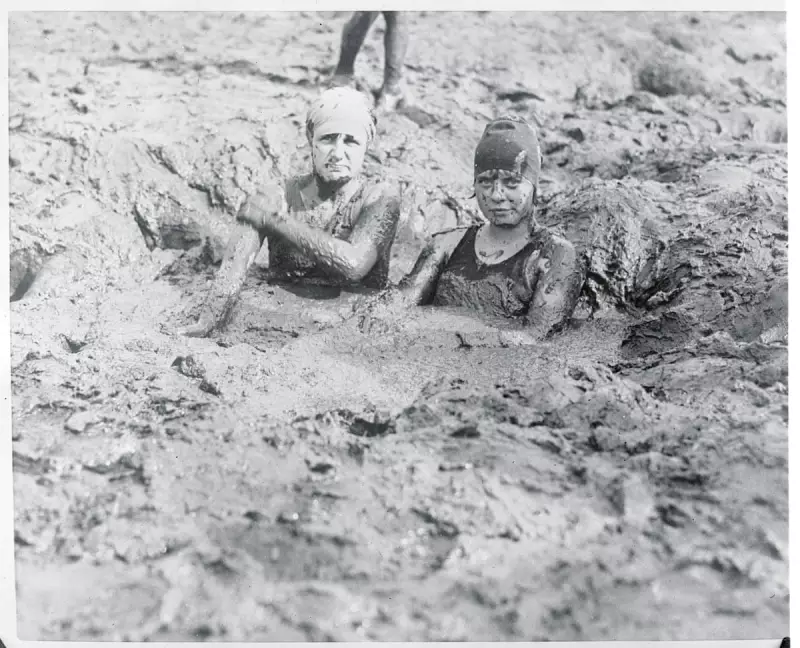
A beauty treatment once celebrated in the pages of a 1925 newspaper is quietly making a surprising return to favour. The practice of taking mud baths, lauded a century ago for its therapeutic and beautifying effects, is being rediscovered by a new generation seeking natural wellness solutions.
From 1925 Pamphlet to Modern Ritual
The trend's origins can be traced directly to a pamphlet published by the Harrogate Corporation in 1925, which was subsequently featured in a newspaper column titled 'Beauty Culture'. This historical document served as a practical guide, promoting the benefits of the town's famous strong sulphur waters and the peat mud found in its surrounding bogs. The pamphlet's advice was remarkably direct, advocating for a head-to-toe approach to mud application.
According to the century-old guide, the ideal method involved patients immersing themselves in a bath filled with the hot peat mud for a period of fifteen to twenty minutes. Following this, they were to be wrapped in blankets to sweat profusely for another half hour. The final, and perhaps most challenging, stage was a vigorous rub-down conducted while the patient was still reclining in the bath. The pamphlet's author noted that while this final step was "not a particularly pleasant operation from the patient's point of view", it was considered essential for achieving the full benefits.

The Science and Sensation of Sulphur and Mud
The original treatment capitalised on the unique properties of Harrogate's natural resources. The waters there are rich in sulphur, an element long associated with skin healing and purification. When combined with the mineral-rich peat mud, the treatment was touted to address a variety of ailments.
The 1925 pamphlet claimed the mud baths could relieve conditions like rheumatism, gout, and sciatica. Beyond these therapeutic claims, the treatment was also heavily marketed for its beautifying effects. Proponents believed the process of intense heating, sweating, and stimulation promoted clearer skin and a general sense of rejuvenation, forming a cornerstone of the era's 'beauty culture'. The process was undeniably intense, designed to provoke a profound physical reaction from the body.
A Century Later: Why Mud is Back
So why is this seemingly archaic practice resonating today? Modern wellness enthusiasts are increasingly drawn to treatments with a long history and a connection to the natural world. The narrative of a simple, elemental substance like mud offering both health and beauty benefits aligns perfectly with contemporary desires for authentic, non-synthetic wellness rituals.
While the modern iteration may be less rigorous than the 1925 prescription—often involving targeted mud masks or shorter soaks—the core principle remains. Today's advocates still cite similar benefits: skin detoxification, improved circulation, and relief from muscular aches. The trend signifies a cyclical return to traditional remedies, recontextualised within today's self-care and natural beauty movements. It serves as a reminder that the pursuit of health and beauty, though shaped by the times, often revisits the elements the earth has always provided.
The revival of the mud bath is more than a fad; it is a tangible link to a specific moment in British wellness history. It demonstrates how a promotional pamphlet from a Yorkshire spa town can contain ideas durable enough to last a hundred years, waiting to be unearthed and appreciated anew by those looking for beauty and wellness rooted in tradition.