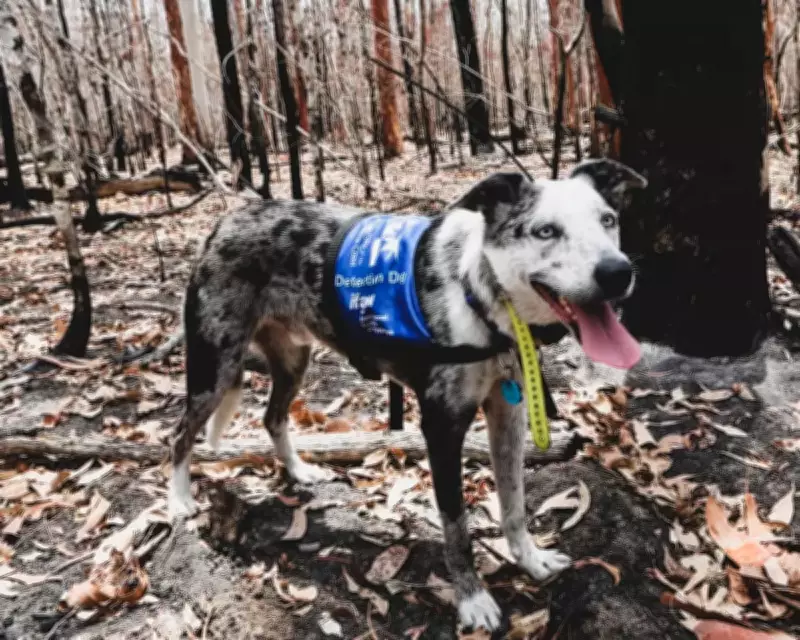
Australia's most famous koala-sniffing dog, Bear, has officially retired after a decade of service, leaving conservationists scrambling to find a successor. The 11-year-old Australian koolie gained international fame for his life-saving work during the catastrophic 2019 Black Summer bushfires, where he helped locate over 100 koalas in need of urgent care.
A Legendary Career
Bear, who was rehomed multiple times before finding his calling as a detection dog, was known for his intense focus and obsession with fetching balls. His trainers at the International Fund for Animal Welfare (IFAW) recognized that his high energy and drive made him unsuitable as a family pet but perfect for conservation work. During his career, Bear worked alongside human spotters and drones to find koalas affected by bushfires, floods, and cyclones, often detecting live koalas high in trees by scent rather than searching for droppings like other detection dogs.
Global Recognition
Bear's distinctive red boots and heroic efforts attracted worldwide attention, including praise from celebrities Tom Hanks and Leonardo DiCaprio. His retirement in March 2025 marked the end of an era, but the need for such specialized dogs remains critical as climate disasters become more frequent and severe.

Search for a New Recruit
IFAW has partnered with the University of the Sunshine Coast and French canine expert Frederic Chappee to train the next generation of koala detection dogs. Chappee, who previously led canine units in the French army and trained anti-poaching dogs in Africa and Indonesia, is seeking a medium-sized dog under two years old that is energetic, ball-obsessed, and shows no interest in chasing wildlife. The ideal candidate will work alongside drones and human spotters, particularly after disasters like the Black Summer fires that devastated koala habitats.
Endangered Status
Koalas were listed as endangered along much of Australia's east coast following catastrophic habitat loss during the Black Summer fires. Detection dogs like Bear play an increasingly vital role in conservation efforts, as they can detect koalas that humans and technology might miss. "They can smell what we can't see," said IFAW Oceania programs head Josey Sharrad.
The demanding work requires long hours, but the lifestyle on Queensland's Sunshine Coast offers a unique balance. "The best thing about these detection dogs is they have the best of both worlds," Sharrad added. "They're working during the day and living the life of a pet for the rest of the time."