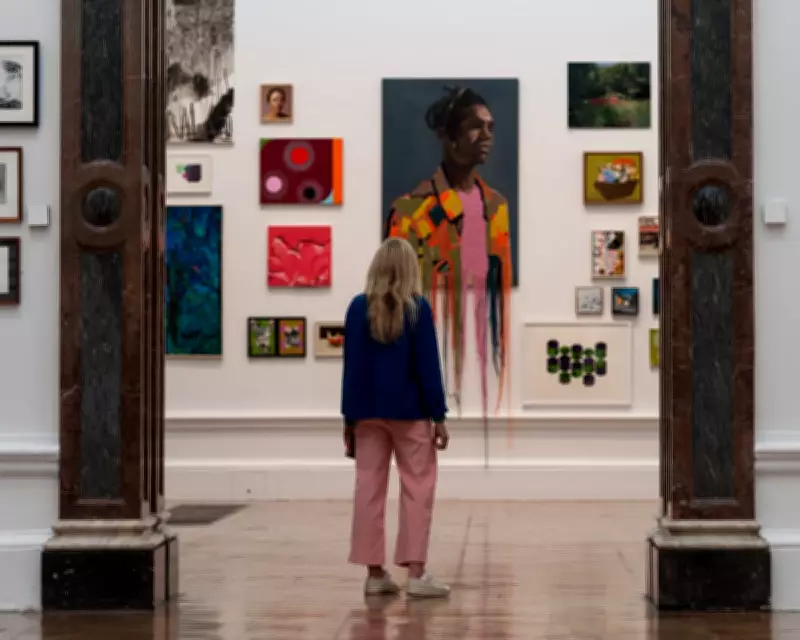
A visitor to the 2020 summer exhibition at the Royal Academy, London, exemplifies the intersection of art and public life. In her new book, 'Art Cure', Professor Daisy Fancourt of University College London makes a scientific case that cultural activities are not merely aesthetic but deeply tied to mental and physical wellbeing.
Personal Story Sparks Scientific Inquiry
After her daughter Daphne was born prematurely, Fancourt sang lullabies in the ICU. Research shows singing to premature babies reduces heart rate, improves breathing, and encourages feeding. This personal experience inspired her to explore how arts affect health at biological, cognitive, and emotional levels.
Breaking Down Art into Active Ingredients
Fancourt argues that every arts experience can be dissected into components like noise buffering, neurological stimulation, and stress reduction. These trigger mechanisms leading to health outcomes, similar to drug cocktails. She surveys evidence for benefits in brain health, chronic pain, and longevity, debunking myths like classical music killing cancer cells.

Creative engagement alongside conventional treatment reduces stress and pain, improves balance in Parkinson's, and helps ventilator patients breathe independently. Art stimulates the vagus nerve, affecting heart, facial muscles, and gut, acting as a natural beta blocker, Botox, and antispasmodic.
Human Stories Illustrate Impact
Stories include a depressed mother transformed by an art class and a 94-year-old with dementia briefly revitalized by 'Singin' in the Rain'. Fancourt emphasizes shifting medical focus from 'What's the matter?' to 'What matters?'
Economic and Public Health Implications
Regular arts engagement yields wellbeing equivalent to a £1,500 pay rise and could save the NHS £1.5bn annually by delaying dementia. Yet arts funding in UK schools is £9.40 per pupil yearly, and government funding for creative degrees halved in 2021. In the US, 95% of adults spend zero minutes on arts daily. Fancourt calls for a 'seatbelt moment' recognizing arts deprivation as a public health crisis.
The book raises uneasy questions about treating art as a means rather than an end. But it makes a compelling case for broadening medicine to encompass creativity, identity, and purpose as biological influences.