The Dual War: Addiction and Combat in Ukraine's Conflict
Seven years of sobriety vanished in an instant for Oleksandr, a Ukrainian soldier who believed he had conquered his addiction demons. Then, one year into fighting Russia, a shoulder injury led to prescription painkillers. Under the relentless pressure of warfare, he relapsed, descending into stronger illicit opioids. "From that moment, I was fighting two wars – one inside myself and one with Russia," he revealed at a Kyiv rehabilitation facility.
The Hidden Epidemic Among Frontline Troops
Oleksandr's story represents a growing but largely unspoken crisis within Ukraine's military. For two additional years, he continued serving, even rising to officer rank while concealing his deepening addiction. "I was hiding my use from the others. It's the kind of thing you're ashamed of," he confessed. Only last winter, when he could no longer perform his duties, did he confess to superiors who fortunately understood and arranged rehabilitation.
Drug and alcohol abuse have shadowed every modern conflict, but Ukraine's war – now in its fifth year – has created particularly devastating psychological conditions. The immense toll on soldiers has created fertile ground for addiction to take root and flourish.

The Scale of an Unmeasured Crisis
"Drug use among troops is a grey area," explained Oleh Olishevskiy, who directs a specialized rehabilitation clinic at Kyiv City Clinical Hospital No. 10. Since Russia's full-scale invasion began, his facility has treated addiction alongside psychological trauma. "Everyone knows it exists, but few want to talk about it."
The true scope remains difficult to quantify. Ukraine's military does not disclose statistics about soldiers dealing with mental health issues, let alone addiction. "I don't think we'll ever know the real numbers. No one is keeping track," Olishevskiy admitted.
A revealing 2024 study by the Ukrainian charity 100% Life surveyed 1,000 soldiers and found alarming patterns: more than one-third had used amphetamines at least monthly, one in five reported using prescription drugs like pregabalin, and approximately 15% admitted to using cheap synthetic cathinones (known as "salt") and opioids.
Treatment in a Nation at War
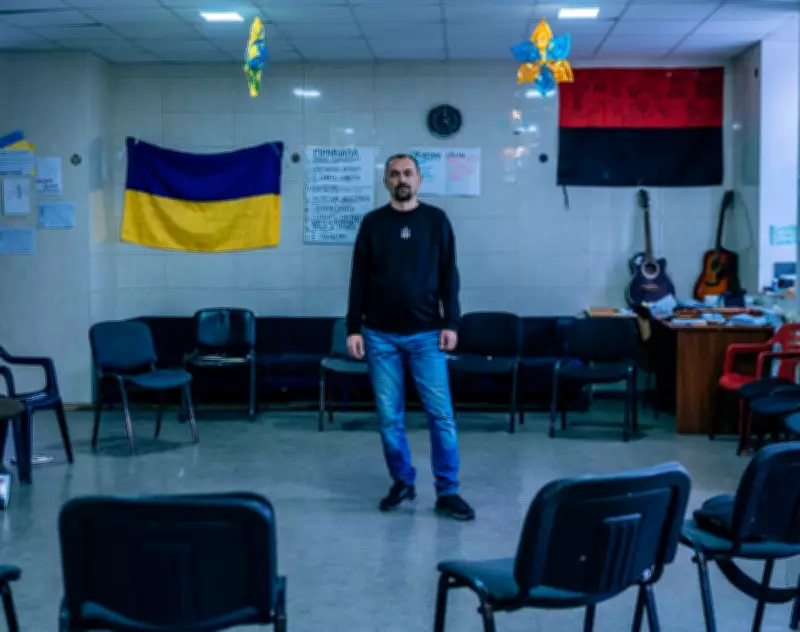
At the Kyiv clinic – a modest three-story building in a leafy neighborhood – Olishevskiy and his team treat about 25 patients simultaneously, with stays lasting up to four months. The ultimate goal remains returning soldiers to military service, but mental health professionals warn that addiction-related care needs far exceed available treatment and will persist long after combat ends.
"The war's scale is unmatched in modern history. And it is not even over; the worst still lies ahead when soldiers return," Olishevskiy emphasized, noting that substance abuse remains particularly difficult to discuss openly, especially among men and soldiers.
Changing Attitudes Amid Ongoing Stigma
While widespread drug use in the Russian army has been extensively documented – with punishments ranging from deployment to high-risk assault units to confinement in pits and cellars – Ukraine is attempting a different approach. Stigma persists, but attitudes among commanders are gradually shifting, according to medical professionals.
"There is more understanding now, but much still depends on your superiors," said Petro, a clinic counselor and former addict who requested his last name be withheld. "It's getting better," he added, noting that some rehabilitation staff members are themselves former addicts and servicemen.
The Inseparable Link Between Trauma and Addiction
The clinic operates on a fundamental principle: addiction and war trauma cannot be separated. Counselors emphasize that drug use can only be understood alongside the untreated PTSD and psychological wounds that typically precede it.
While some soldiers use stimulants to stay awake during extended duty periods, most patients report their addiction worsening away from the front lines. Returning to base after weeks of intense combat, soldiers struggle to unwind, turning to drugs or alcohol to blunt intrusive memories, manage anxiety, or simply survive the night.

"I never used it on a mission – you'd get killed quickly. You're already running on adrenaline anyway," explained Dmytro, a Ukrainian soldier undergoing rehabilitation for synthetic stimulant addiction. Speaking in the rehab cafeteria over soup, he continued: "When you're back, you just want to switch off. Forget everything you've seen – all the death and other shit."
The Daily Reality of Rehabilitation
Dmytro requested his name be changed, fearing Russia could exploit his addiction if captured. He described how drugs left him paranoid – he once strapped grenades to his bedroom door in Kramatorsk, convinced Russian forces were about to ambush him. "I started to lose track of what was real," he recalled.
Inside the facility, days follow structured routines similar to other rehabilitation centers: morning group therapy, individual sessions, physical activities like yoga, light exercise, and table tennis. Yet the war remains ever-present, evidenced by patient drawings depicting guns and combat scenes adorning the walls.
Innovative Approaches and Practical Realities
Olishevskiy maintains contact with international specialists, incorporating latest medical research. This summer, he plans a therapeutic retreat at a Kharkiv farm with horses. His enthusiasm grows when discussing promising trials using ketamine to treat PTSD.
"If trauma isn't processed and someone copes through drugs or alcohol, within months you can have severe PTSD that becomes much harder to treat," he warned.
However, Ukraine's acute manpower shortages create difficult compromises. Pressure to fill frontline gaps has sometimes resulted in patients returning to service before fully recovering. While complete recovery represents the "ideal scenario," Olishevskiy acknowledges that even reducing drug use to functional levels may be considered sufficient under current circumstances.
The Recruitment Dilemma
Patients and medical staff report that mobilization officers sometimes allow prospective soldiers with existing drug habits to enlist. "It was obvious to everyone, including the doctors, that I was addicted during my enlistment medical," revealed Anton, who had used synthetic drugs for six months before joining the army.
He later developed severe addiction and was hospitalized after suffering a heart attack. Despite everything, Anton expressed determination to recover and return to the frontlines. "This clinic gave me another chance at life. I want to give something back."
As Ukraine's conflict continues, the parallel battle against addiction among soldiers represents a growing challenge that will require sustained attention and resources long after the final shots are fired.