The Dilemma: To Stay or Leave a Burnt-Out Marriage
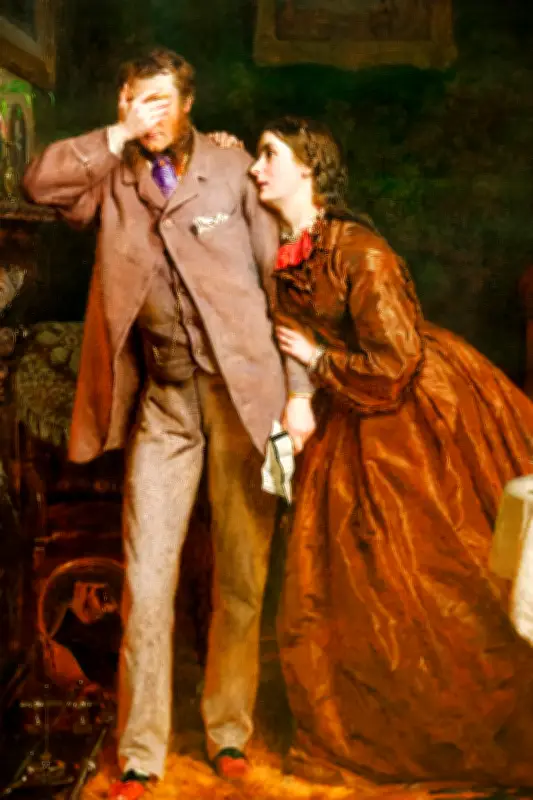
A woman married for 20 years is deeply conflicted about whether to separate from her husband. She is burnt out from emotionally supporting him, as he arrived as a refugee with little English, from a different culture, and has untreated ADHD and PTSD. Couples counselling with two therapists has failed.
She acknowledges that if she leaves, she will have more support from friends and family than he will. She feels guilty because his pain seems greater than hers, and leaving would add to his suffering. She questions whether putting her needs first is selfish given her relative privilege.
The Ethical Advice: Leaving Is Not Cruelty
Ethicist Eleanor Gordon-Smith responds that if you already want to leave, staying is not a kindness. She distinguishes between owing care and kindness versus needing to stay in the relationship to fulfill that obligation. Many people stay because they think leaving would be cruel, but a relationship maintained out of pity is not one between equals.

Gordon-Smith warns that pity can patronize the other person, who remains unaware that they have become an emotional ward. While leaving may hurt him in the short term, not all pain is harmful. A separation could be a catalyst for him to build his own support networks and address the sources of his pain.
The Bottom Line: Self-Care and His Care May Align
If leaving is best for you, it might also be best for him in the long run. Doing right by yourself and doing right by him may not be mutually exclusive. According to Gordon-Smith, the choice is not between putting your needs or his first—they might point in the same direction.