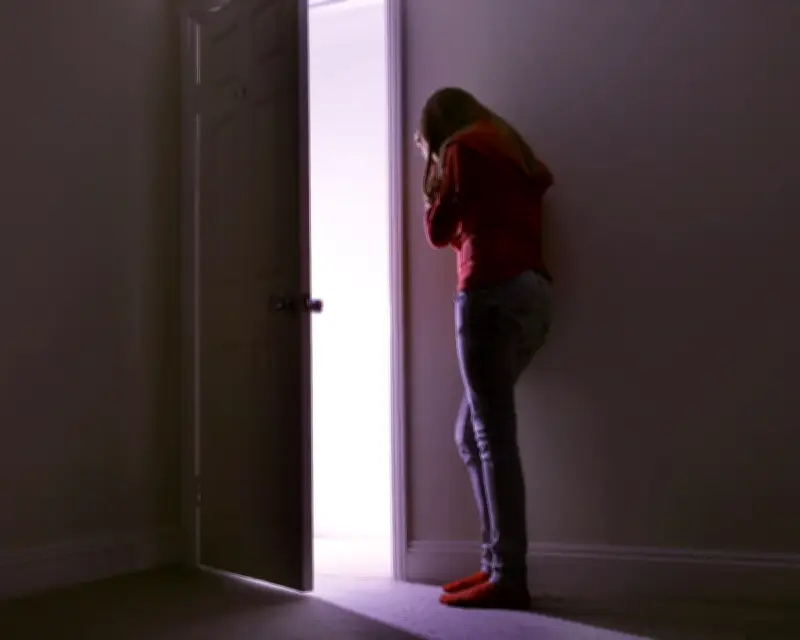
A UK support group says more parents are coming forward to report sexual abuse by their children, a topic one mother described as a 'lifelong punishment'. Lucy, a mother sexually assaulted in her sleep by her son in his early 20s, said she felt isolated and unable to find help.
Rise in reports of child-to-parent sexual abuse
Pegs, a social enterprise supporting those affected by child to parent abuse (CPA), surveyed 188 parents who sought help. Of these, 17% reported experiencing sexual harm from their child, with the majority being mothers. Michelle John, founding director of Pegs, noted an increase in graphic assaults, including rape, attempted rape, and suffocation.
'No one out there is really asking the question,' John said. 'Parents are almost thankful that we’re asking them about this – we’re giving them permission to answer. Because it is the taboo within the taboo.'

Contributing factors
Poor access to mental health support, social isolation, and growing access to harmful sexual content online are thought to be contributing to the rise. Similar factors are also linked to an increase in matricide. Amanda Holt, a professor of criminology at the University of Roehampton, conducted research on harmful sexual behaviour towards parents, finding that sexual abuse is 'interwoven into the dynamics of child to parent abuse for a significant number of families.'
Holt analysed data from 2,000 parents who sought help from a UK-based support service for CPA in 2023, finding that 13% had experienced harmful sexual behaviour from their child. Of these, 96% were mothers and 4% were fathers. The children, aged five to 31, were 66% male and 33% female.
Mothers' fears and online influence
Mothers reported fearing blame, accusations of abusing their child, or losing custody if they spoke out. John said many parents were concerned their children were exposed to harmful sexual and misogynistic content online. 'They’ve reported their children making indecent images using ChatGPT,' she said. 'Parents are putting safeguards in place, but children are finding different ways to go around it.'
Lucy recalled that her son had searched for 'rape' online as a teenager, but she did not see it as a threat. His mental health declined at university, and he began using drugs and alcohol. Police later found evidence of an 'obsession' with her on his computer after he drugged and assaulted her.
'I’m always thinking, is there something I could have done differently? Did I miss something?' Lucy said. 'And you question what people think about you – do they think that I’ve been abusing my own child? You become quite paranoid.'
Need for support and awareness
Lucy searched online for help but found nothing, and therapists often misunderstood her. 'I feel passionately about this being a subject that’s not hidden,' she said. 'It’s not about me, I’ve missed the boat. But if I can help just one person not feel lonely then it’s a job done for me.'
John added: 'It takes a lot of bravery and courage to speak out [about sexual assault], and then add on to that it’s from someone you absolutely love and adore, your own child. It just adds that extra layer of shame and isolation, guilt maybe.'