Streatham Man's Tragic Death After Placing 628 Bets in One Hour Could Revolutionize GP Gambling Assessments
A coroner has issued a powerful call for general practitioners to routinely inquire about patients' gambling habits, following the heartbreaking death of a 36-year-old man from Streatham who placed 628 bets in just over an hour before taking his own life.
The Tragic Case of Lee Adams
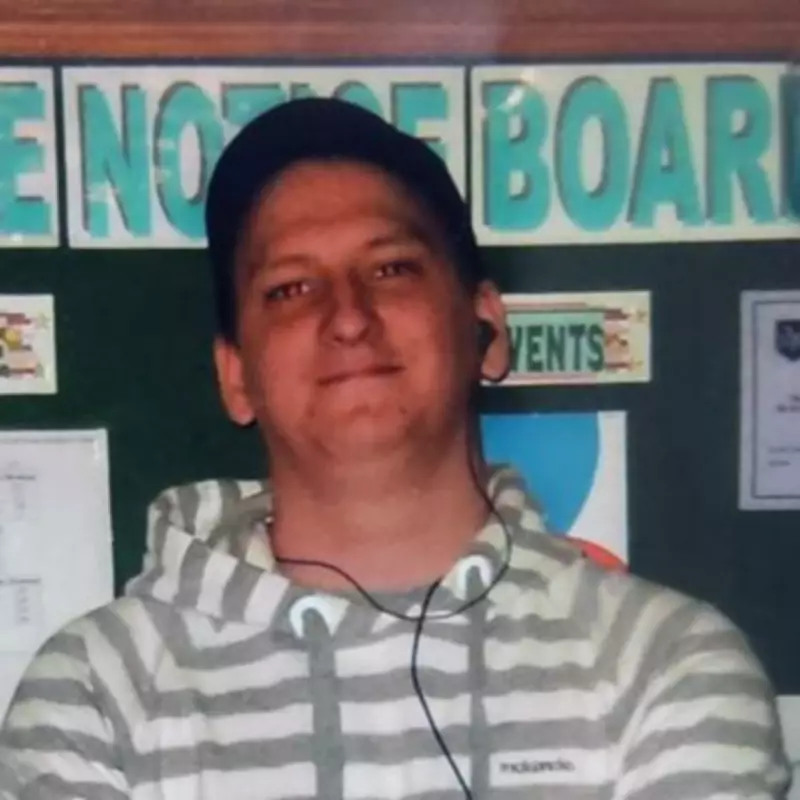
Lee Adams, a 36-year-old resident of Streatham, died at his home on July 24, 2020, after developing a severe gambling disorder. On that fateful day, Adams engaged in a devastating gambling spree, placing hundreds of bets on online slot games and exhausting nearly his entire monthly salary in the hours preceding his death.
Dr. Julian Morris, the Senior Coroner for Inner South London, concluded on November 7, 2025, that gambling disorder was one of the medical causes contributing to Adams' death. The coroner's investigation revealed that during the months leading up to the tragedy, which coincided with the Covid-19 lockdown period, Adams had become "increasingly reliant" on gambling activities.

Missed Opportunities for Intervention
Despite being contacted about his gambling deposits in March 2020, Adams stated he was fine and continued his gambling behavior without being identified as at risk. He was pronounced dead at 3:39 a.m. on July 24, 2020, leaving behind a family devastated by their loss.
In a landmark Prevention of Future Deaths report addressed to the Royal College of General Practitioners on March 20, 2026, Dr. Morris made a crucial recommendation: "GPs should be reminded to ask individuals about their gambling habits in the same way that they ask about smoking and alcohol."
Potential National Impact on Healthcare Practice
This recommendation could potentially transform standard medical practice across the United Kingdom, integrating gambling screening into routine patient assessments alongside existing questions about substance use. The coroner's report represents a significant step toward recognizing gambling disorder as a serious public health concern requiring systematic medical attention.
A spokesperson for the Royal College of General Practitioners expressed their deepest condolences to Adams' family and confirmed they had received the coroner's report, stating they would respond through the formal coronial process. The college emphasized their commitment to reviewing the findings thoroughly before providing an official response.
Regulatory Response and Patient Safety Considerations
A separate Prevention of Future Deaths report was also sent to the Medicines and Healthcare Products Regulatory Agency, which responded with sincere condolences to Adams' family and emphasized that patient safety remains their top priority. The agency committed to carefully reviewing the coroner's findings and providing a response within the required 56-day timeframe.
This tragic case highlights the growing concern about gambling-related harm in the United Kingdom and the need for healthcare professionals to be more vigilant in identifying at-risk individuals. The coroner's recommendation, if implemented nationally, could potentially save lives by ensuring earlier intervention for those struggling with gambling addiction.
The story of Lee Adams serves as a sobering reminder of the devastating consequences of gambling disorder and the importance of comprehensive healthcare screening that addresses all aspects of patient wellbeing, including behavioral addictions that can have fatal outcomes.