From Olympic Silver to Rock Bottom: The Luvo Manyonga Story
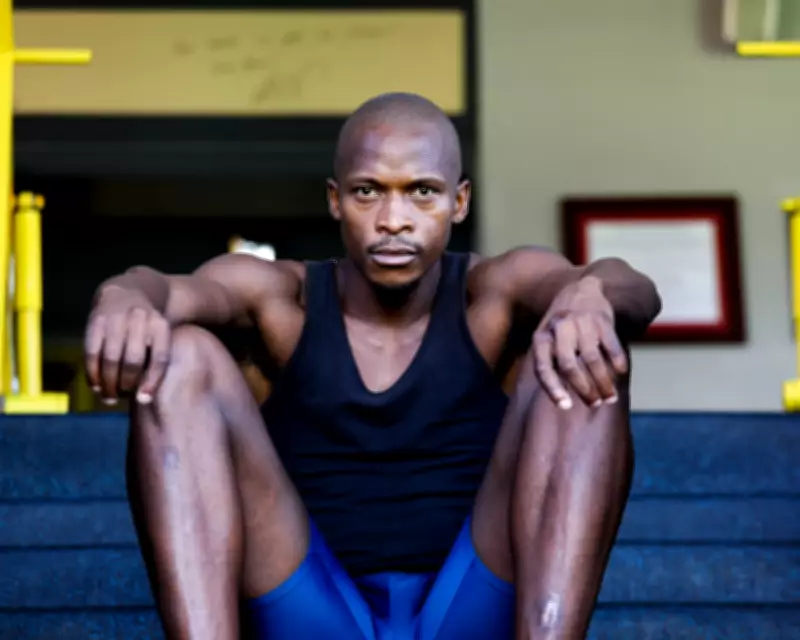
Luvo Manyonga, the South African long jumper who captured Olympic silver at the 2016 Rio Games, has experienced a journey few athletes could imagine. From the pinnacle of global athletics to the depths of drug addiction and back again, his story serves as both a cautionary tale and an inspiration.
A Champion's Descent into Addiction
Three years ago, Manyonga faced a stark reality: change his life or face certain death. The former world champion, who had once dominated the long jump with leaps approaching nine meters, found himself sprawled on the ground receiving a brutal beating with a baseball bat. This violent encounter became the catalyst for his transformation.
"The only thing left for me was death," Manyonga reveals in a candid interview. "That's when the penny dropped for me. I saw my life flash in front of me when those guys were beating me."

The 35-year-old athlete had been struggling with addiction for most of his adult life, primarily to tik, a form of crystal meth prevalent in South African townships. Despite his athletic success—including winning South Africa's first world long jump title in London in 2017—Manyonga's drug use continued throughout his career.
The Vicious Cycle of Addiction and Suspension
Manyonga's addiction problems first became public in 2012 when he received an 18-month ban for using tik. Incredibly, he managed to balance his drug use with elite competition, often stopping just months before each season. His athletic achievements during this period were remarkable, including a world-leading 8.65m jump in 2017.
However, the cycle proved unsustainable. In late 2020, Manyonga received a four-year suspension from athletics for failing to update his whereabouts for doping testers as his addiction spiraled out of control. Dropped by his management and grieving the sudden death of his mother, he plunged into what he describes as "the life of a drug addict."
"I was just living for another fix," Manyonga admits. "I got to the point where I was robbing people, snatching phones, breaking into houses, just to get a fix. That's how low I went."
The Turning Point and Road to Recovery
The baseball bat beating in 2023 proved to be the wake-up call Manyonga needed. After stealing a phone belonging to a community patrol member's daughter near Paarl, he was caught and severely beaten.
"I couldn't walk for a week," he recalls. "That's when I decided then that either I would kill myself or go on with my life. I needed to find Luvo Manyonga."
Manyonga left his township of Mbekweni behind and moved to the Eastern Cape, away from the drug environment that had ensnared him for so long. He got clean, abandoned his life of crime, and began planning his return to athletics.
The Extraordinary Comeback
When his ban expired in December 2024, Manyonga quietly resumed training. His first competition in nearly six years came at a small meet in Stellenbosch, where he jumped 7.31m—a far cry from his personal best but a significant step forward.
"It brought all the memories back of where I'd come from, through the journey that I went through," he says of that emotional return. "To be able to stand on that runway, healthy and look forward to being able to do what Luvo does best, it was quite emotional, man."
Under the guidance of coach Herman Venske and supported by World Wide Scholarships, Manyonga's performances gradually improved. By October, he had reached eight meters again, and last month he soared to 8.11m—enough to qualify for this week's World Athletics Indoor Championships in Torun, Poland.
Taking Responsibility and Looking Forward
Manyonga now speaks with clarity and takes full responsibility for his past actions. "I am human. I make mistakes," he states. "I don't sugarcoat that. I was the one who was not there for my whereabouts. I never used any substance to cheat sport, it was just a recreational drug that I used. I had a problem. But now I have learned my lesson."

He attributes his initial downfall to the sudden fame and wealth that came with athletic success, combined with inadequate support systems. Having never finished school and coming from a township where no one had experience with international fame, Manyonga struggled to navigate his new reality.
"A lot of things happened for me very quick," he explains. "I got big-headed and thought I owned the world. My drug use was something that was pending to explode."
A New Chapter in Poland
As the oldest long jumper competing at the world indoors, Manyonga approaches this opportunity with renewed enthusiasm and perspective. His exceptional circumstances have led to a welcoming reception from the athletics community, unlike many other athletes who have served multiple bans.
"I'm so excited," he says with his trademark smile returning. "I know for a fact that I still have big jumps and gold medals in my body. I still have to give these youngsters a game. I feel like I'm getting better and better with each competition."
Using a car analogy to describe his comeback, Manyonga adds: "I'm like a car that was parked for four years. I just need to drive it for a while. The engine is still fresh, the tyres and oil have been changed. The V12 is going to be showing some flames soon."
Having been to hell and back multiple times, Luvo Manyonga now approaches what may be his final opportunity in athletics with hard-won wisdom and determination. His story serves as both a warning about the dangers of addiction and a testament to the power of redemption in sports.