Instagram Chief Testifies in Landmark LA Trial on Social Media Harm
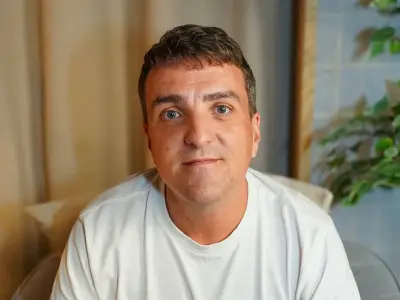
Instagram's chief executive Adam Mosseri has testified in a groundbreaking Los Angeles trial where social media giants face accusations of creating harmful and addictive products. The trial, which represents a significant legal challenge to the tech industry, was initiated by a plaintiff identified as KGM, a 20-year-old woman who reportedly spent up to 16 hours in a single day on the Instagram platform.
During his testimony, Mosseri, who has led Instagram since 2018, stated that he does not believe people can become clinically addicted to social media. He emphasized the importance of distinguishing between clinical addiction and what he described as "problematic use." According to Mosseri, problematic use refers to situations where individuals spend more time on Instagram than they feel is beneficial for their well-being.
Defining Problematic Use Versus Clinical Addiction
When questioned about the plaintiff's extreme usage of 16 hours in one day, Mosseri responded, "That sounds like problematic use." He repeatedly noted that he is not a medical professional, underscoring that his perspective is based on operational rather than clinical expertise. This testimony forms a central part of the defense strategy for Meta, Instagram's parent company, which argues that while social media can be misused, it does not meet the medical criteria for addiction.
The trial has brought to light internal discussions within Meta regarding controversial features such as body image filters that simulate plastic surgery. Although Meta banned these filters in 2019, emails presented in court revealed that Mosseri and other executives, including Facebook creator Mark Zuckerberg, considered lifting the ban. The emails indicated that removing the filters only from the app's recommendation section, rather than enforcing a complete ban, was seen as presenting a "notable wellbeing risk" but having less impact on user growth.
Internal Debates Over Safety and Growth
According to court documents, Instagram employees working on policy, communications, and well-being, including former deputy prime minister Nick Clegg, advocated for maintaining the ban. Clegg, who served as Meta's vice president of global affairs, warned in emails that reversing the ban would lead to accusations of "putting growth over responsibility." Mosseri testified that he was trying to balance various considerations and ultimately agreed with the decision to prohibit filters promoting plastic surgery.
In his testimony, Mosseri addressed the perceived conflict between safety and revenue, stating, "Often people try to frame things as you either prioritise safety or you prioritise revenue. It's really hard to imagine any instance where prioritising safety isn't good for revenue." This statement highlights Meta's position that ethical practices and business success are not mutually exclusive.
Criticism from Advocacy Groups
Mosseri's testimony has faced sharp criticism from advocacy groups and legal representatives working with families affected by social media harms. Matthew P Bergman, founding attorney of the Social Media Victims Law Center, commented, "Adam Mosseri's testimony under oath today revealed what families have long suspected: Instagram's executives made a conscious decision to put growth over the safety of minors." Bergman added that the evidence suggests Instagram was aware of the risks its products posed to young users but continued to deploy features designed to increase engagement, even when those features exposed minors to significant danger.
The LA trial is part of a broader legal and regulatory scrutiny facing social media companies, with allegations that their platforms are engineered to foster compulsive use, particularly among younger demographics. As the proceedings continue, the outcome could set important precedents for how social media platforms are held accountable for user well-being and the design choices that influence online behavior.