
Trump's IVF Drug Discounts Criticized as Inadequate Amid Political Tensions
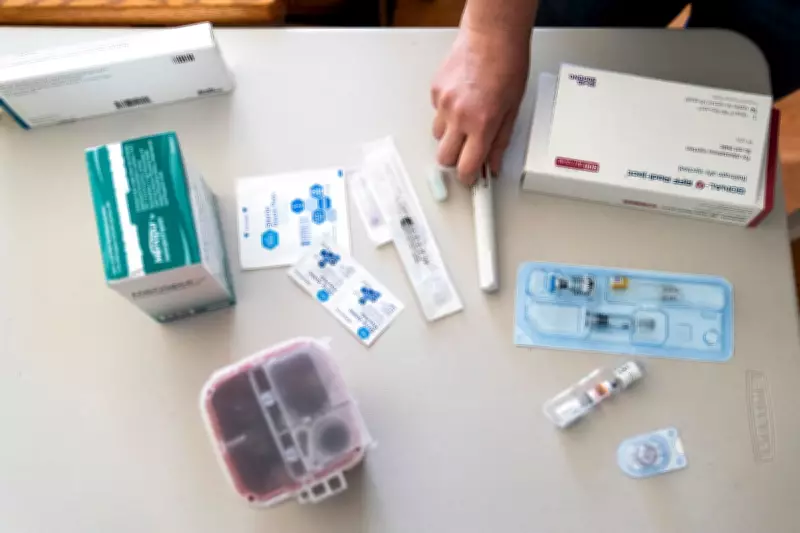
TrumpRx, the highly anticipated drug discount program launched by the U.S. president earlier this month, has gone live with coupons available for just 43 medications. Among these are four drugs essential for in vitro fertilization (IVF) procedures, a move experts describe as a partial effort to fulfill Trump's 2024 campaign promise of making IVF treatment universally accessible. However, the discounts cover only a fraction of the overall costs, sparking criticism from medical professionals and advocacy groups.
Limited Savings and Overrepresented Categories
Dr. Richard Paulson, a professor of reproductive medicine at the University of Southern California, expressed disappointment with the program. "We've been hearing about TrumpRx for a long time," he said. "It was supposed to address prescription drug costs comprehensively, but it has fallen short. The only drug classes that are notably cheaper on TrumpRx are GLP-1 agonists for obesity and fertility medications." The TrumpRx website features a search function, but most Americans are unlikely to use it regularly. Medications for fertility, weight loss, and menopause are disproportionately represented, allowing patients to print coupons or add them to digital wallets, similar to services like GoodRx.com. The White House has indicated that additional drug discounts will be added in the coming months.
High Costs of IVF Treatment
Sean Tipton, chief advocacy and policy officer at the American Society for Reproductive Medicine, emphasized that the fertility drug coupons account for a minimal portion of IVF expenses. "Pharmaceutical costs typically make up 10 to 20% of the total cost of IVF," Tipton explained, noting that other expenses include egg retrieval procedures requiring sedation. The Centers for Medicare and Medicaid Services estimate that TrumpRx discounts could save patients up to $2,200 per IVF cycle, yet each cycle can cost as much as $30,000 out of pocket. Many clinics recommend patients plan for up to four cycles, given that each has only a 30% chance of resulting in pregnancy and live birth.
Political and Ideological Conflicts
The Heritage Foundation, a religious conservative thinktank influential in Trump's second-term policies through Project 2025, generally opposes IVF, framing it as part of a "pro-life" agenda. Tipton argued that opposition to abortion does not logically extend to IVF. "Pregnancy termination and pregnancy creation are very, very different things," he said. "However, if you base your opposition on the idea that a fertilized egg is equivalent to a baby, then IVF becomes a threat." Tipton suspects the Heritage Foundation's influence has hindered further expansion of IVF access. In a January report, Heritage writers described embryos as "sacred human beings," questioning the ethics of IVF due to embryo loss during the process.
Scientific and Ethical Debates
In an op-ed, Paulson countered that the Heritage Foundation's stance ignores natural reproduction realities, where most embryos do not develop into children. Some medications on TrumpRx could be used for IVF or what the Heritage Foundation terms "restorative reproductive medicine (RRM)," a concept Paulson labeled scientifically dubious. "It's deceptive," he said, explaining that RRM philosophy views infertility as a symptom of other issues rather than a disease. Paulson likened this to other health narratives, such as the idea that diet alone can cure chronic illnesses, referencing health secretary Robert F. Kennedy Jr.'s emphasis on protein benefits.
Alternatives and Policy Implications
Alternatives to IVF, like intrauterine insemination (IUI) with fertility drugs, carry risks such as higher chances of multiple pregnancies, leading to preterm births and complications. Heritage Foundation analysts have expressed acceptance of IUI only within strict marital contexts, maintaining hostility toward IVF. Paulson supports patients' rights to make faith-based medical decisions but opposes letting faith dictate policy. "If you start with the Bible as truth and filter everything through that lens, you'll reach different conclusions than those based solely on science," he stated. The health department did not respond to requests for comment on TrumpRx and its fertility offerings.




