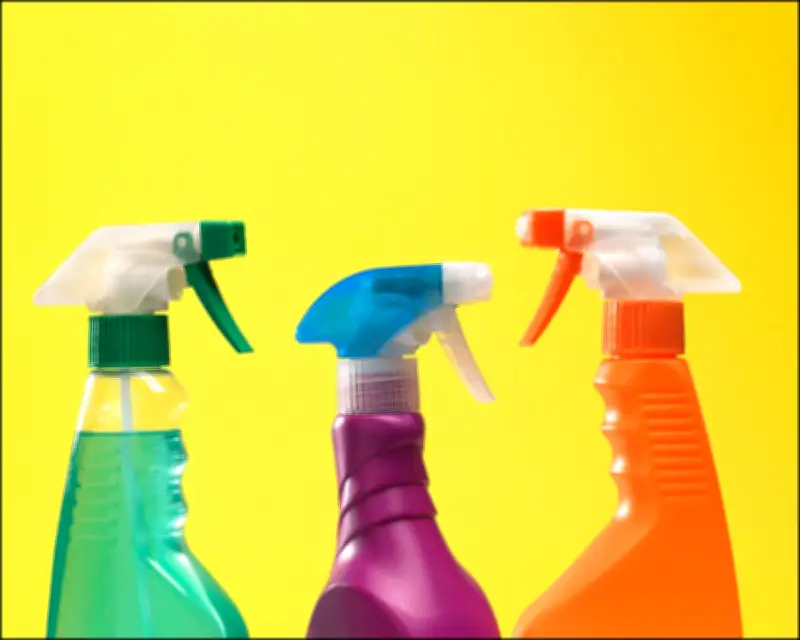
After recovering from a nasty bout of flu, one of the most important tasks is disinfecting your home to prevent spreading the illness to others. According to the CDC, while flu viruses stay on hands for only five minutes, they can remain contagious on hard surfaces for anywhere from a few hours to two days. Cleaning removes germs, but disinfecting kills them and reduces the spread of illness. The CDC advises that disinfection is not necessary all the time, but it makes a difference when someone is sick or immuno-compromised in the home.
Start with a clean surface
Dr Chetan Jinadatha, a clinical professor at Texas A&M who researches infection spread in hospital settings, emphasizes that organic material can make disinfectants less potent by neutralizing or interfering with their action. In short, it is hard to disinfect something that is still dirty. Maddy Baker, a school custodian based in Nebraska, recommends using a multi-purpose cleaner or degreaser, such as Zep, or a bit of dish soap and water. She notes that dish soap is preferable on sensitive surfaces that may not handle harsh chemicals. Baker also likes to use a microfiber cloth, which is great for trapping dust and grime while scrubbing surfaces.
Check the label
Disinfecting products label illnesses by letters. For example, to kill Covid-19 germs, look for List N; for Ebola germs, List Q. The Environmental Protection Agency’s website provides classifications for specific illnesses. “You can go there and see which disinfectants have those particular kill claims,” Jinadatha said.
Kill germs as you go
Do not wait until the sick person feels better to disinfect. Use disinfectant every day they are sick. “You don’t know what they’re touching and where they’re spreading it,” Jinadatha said. He personally uses standard bleach with a concentration between 5% and 10%, diluted with water at a ratio of one to 10, applied and left to sit for three to five minutes. Baker recommends OdoBan Disinfectant Concentrate, a hospital-grade option that is cost-efficient and available widely. Once diluted properly, it kills germs while acting as a deodorizer, which Baker finds adds to the feeling of cleanliness.
Don’t wipe it right away
“These disinfectants don’t kill on contact,” Jinadatha said. Each product and bacteria type has a dwell time—the number of minutes a disinfectant must sit to be effective. “If it’s five minutes, it’s five minutes. When people dry the surface completely after spraying it and then take another dry towel and clean it right away, they are essentially getting no disinfectant action,” he explained. Hospital-grade disinfectants include dwell time on the label, but commercial options may not. All disinfectants should be vetted by the EPA, but hospital-grade products are held to a higher standard. Always read the label to determine how long to let the product sit; for instance, killing Norovirus may require a longer dwell time than Covid-19.