The German government is set to pass legislation that would make rental e-scooter operators liable for accidents involving their vehicles, placing them on a similar legal footing to cars. The draft law, which has been welcomed by consumer rights advocates, aims to make it easier for victims to gain compensation from operators such as Lime and Bolt.
New liability rules for operators and riders
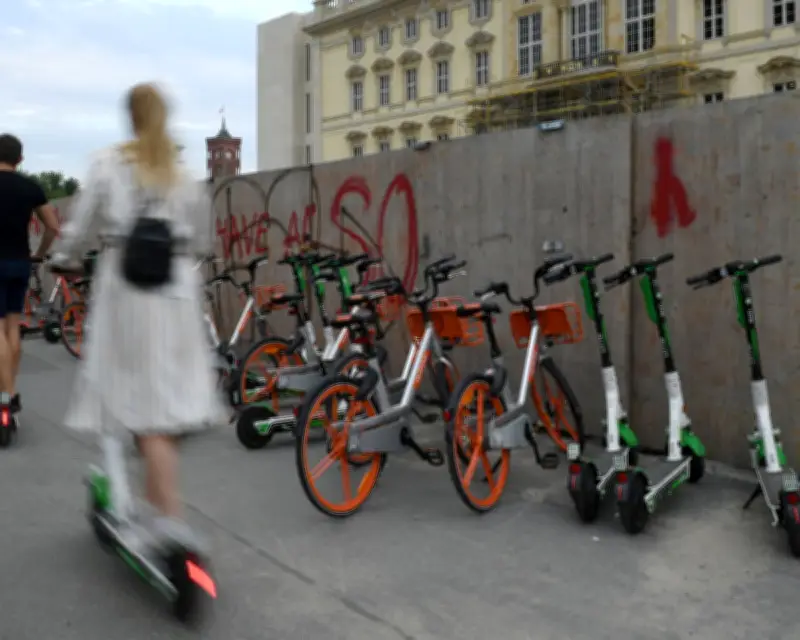
Under the proposed law, rental companies will be held responsible for damage caused by their e-scooters, including accidents resulting from improperly parked vehicles on footpaths and pavements. Riders will also share liability for any “presumed fault” in a collision they are believed to have caused, in line with existing policies for other motorised vehicles like cars.
Justice Minister Stefanie Hubig, one of the bill's sponsors, stated before the vote scheduled for Thursday night: “Those who earn money renting e-scooters should also take responsibility for the damage caused by these vehicles.”

Rising accident rates prompt action
The government cited figures showing that e-scooter accidents involving injuries or deaths more than doubled from 5,535 in 2021 to nearly 12,000 in 2024. That year, e-scooter accidents accounted for about 4% of all traffic accidents with casualties. Twenty-seven people died in such accidents in 2024, all of whom were riders. Around 1,500 people were seriously injured, and about 11,400 sustained minor injuries.
Insurance sector data indicates that rental e-scooter users tend to be younger, less experienced, and more likely to ride on pavements than private owners. The number of non-riders hit by e-scooters rose to about 5,000 in 2023 from 1,150 in 2020. Data on accidents caused by incorrectly parked e-scooters are not collected centrally.
Current challenges for victims
Currently, victims must prove the e-scooter rider was at fault to file a claim—a difficult standard to meet because riders are often hard to identify conclusively. In accidents caused by improperly parked e-scooters, finding the responsible person is even more challenging. The new law would allow victims to seek compensation directly from rental companies.
Beate Saupe from the Saxony state consumer advice centre told public broadcaster MDR: “The rights of affected passersby are being strengthened vis-a-vis the operating companies – they [the victims] will no longer be left just to foot the bill.”
Industry concerns over fraudulent claims
However, Anna Montasser of the Shared Mobility lobbying group, which represents e-scooter operators, expressed concerns about potential fraudulent claims. She said: “Damage caused to a person or property can simply be attributed to a provider, entirely regardless of fault,” adding that the legislation could trigger a flood of lawsuits that would “inundate German courts.”
Montasser noted that identifying a rider who caused a collision is relatively easy using rental data, but tracing individuals responsible for accidents caused by e-scooters left in hazardous spots is more difficult, as third parties often overturn scooters, creating obstacles for pedestrians or damaging parked cars.
Public support and additional measures
A YouGov poll found that 67% of German voters favoured the new liability rules for operators. The government has already approved tighter safety rules for e-scooters from next year, requiring new models to have turn indicators and imposing higher fines for riding with two or more people on board.
The legislation applies to rental e-scooters but does not address other motorised rentals such as e-bikes. In Great Britain, nearly 500 people were seriously injured in collisions involving e-scooters last year, according to government statistics.