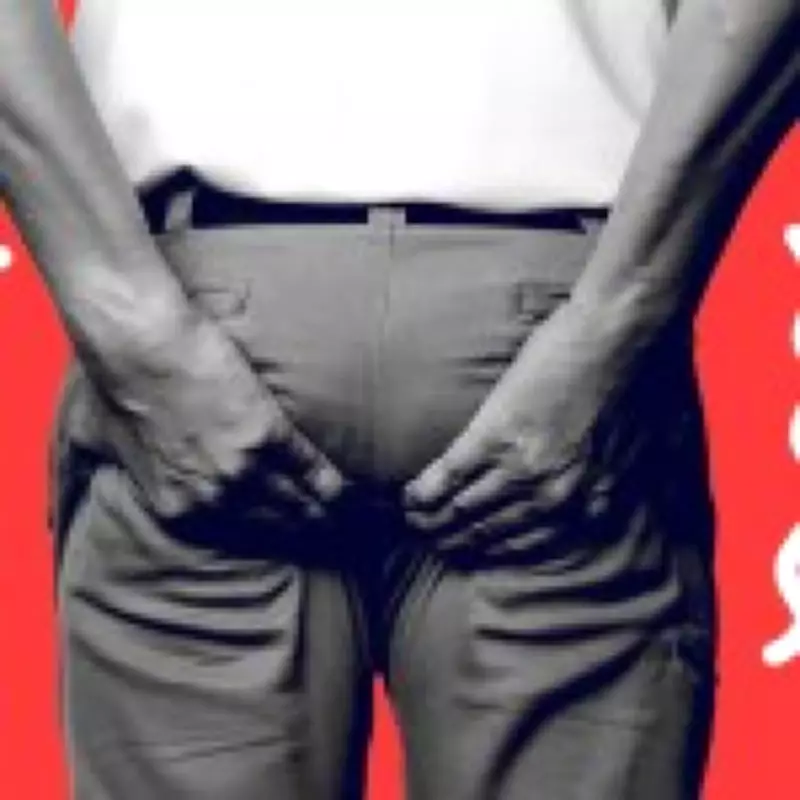
What Is Dead Butt Syndrome?
Dead butt syndrome, also known as gluteal amnesia, is a condition where the gluteal muscles fail to activate properly. Dr. Lawrence Cunningham explains that the glutes essentially 'go to sleep' during activities such as sitting or exercising. This leads to a variety of discomforts, including a dull ache in the buttocks, lower back pain, and tight hips. Over time, the body compensates by overusing other muscles, which can cause knee or hamstring pain.
Symptoms of Gluteal Amnesia
The primary symptoms include a feeling of numbness in the buttocks after prolonged sitting, difficulty feeling the glutes work during exercises like squats or lunges, and chronic lower back pain. If left untreated, the condition can lead to hip problems and knee injuries due to compensatory movements.
Causes of Dead Butt Syndrome
The main culprit is a sedentary lifestyle, particularly sitting for six or more hours daily at a desk or in a car. This causes the hip flexors to become tight, which in turn inhibits the glutes from firing properly—a process called reciprocal inhibition. Over time, the brain reduces signals to the glutes, making them weaker and less active.

Treatment and Prevention
Fortunately, dead butt syndrome is reversible. Dr. Cunningham recommends targeted exercises such as glute bridges, clamshells, and hip thrusts to reactivate the muscles. Working with a physiotherapist or personal trainer can ensure proper form. Most people see improvement within weeks. To prevent the condition, incorporate glute exercises two to three times per week, stretch hip flexors daily, and stand up every 30 to 45 minutes.