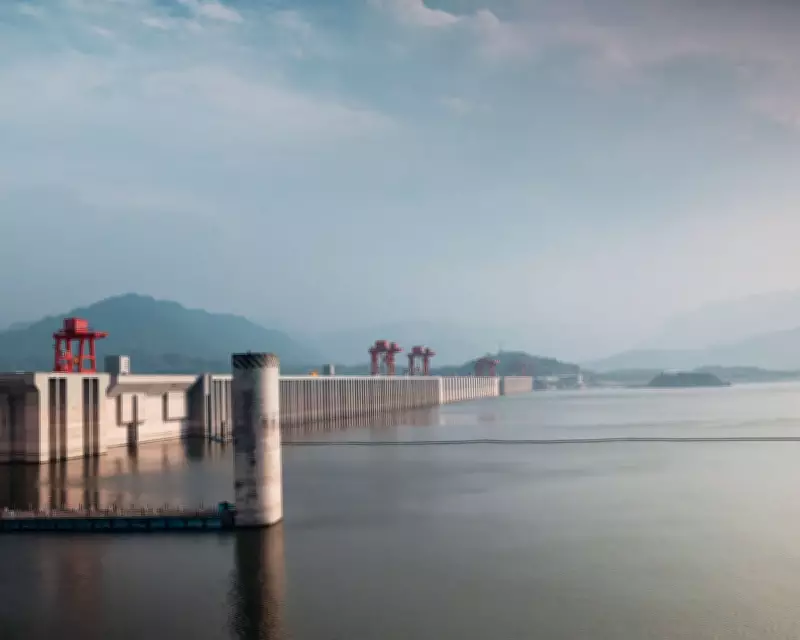
Yangtze River Ecosystem Shows Dramatic Recovery Following Fishing Ban
China's Yangtze River, the longest waterway in Asia, has witnessed a stunning ecological revival after the implementation of a comprehensive fishing ban over a decade ago. This landmark environmental policy, initiated to combat severe overfishing and habitat degradation, has led to a substantial resurgence in fish populations and overall biodiversity throughout the river system.
Significant Increase in Fish Populations
The fishing prohibition, which was enforced to protect the river's fragile aquatic ecosystems, has resulted in a notable surge in various fish species. Scientific monitoring and research indicate that populations of key indigenous fish have rebounded dramatically, with some species showing increases of over fifty percent compared to pre-ban levels. This recovery is particularly evident in the middle and lower reaches of the Yangtze, where fishing pressure was historically most intense.
Biodiversity and Habitat Restoration
Beyond the revival of fish stocks, the ban has facilitated a broader restoration of the river's biodiversity. Aquatic plant life, invertebrates, and other wildlife dependent on the river have all benefited from the reduced human interference. The improved health of the ecosystem has also enhanced water quality and stabilized riverbank habitats, creating a more resilient environment for numerous species.

The success of the fishing ban underscores the effectiveness of long-term conservation strategies in addressing environmental challenges. Chinese authorities have complemented the ban with additional measures, including habitat restoration projects and stricter pollution controls, to ensure the sustained recovery of the Yangtze River.
Future Implications and MonitoringEnvironmental scientists and policymakers are closely monitoring the ongoing recovery to assess its long-term impacts. The positive outcomes observed so far provide a valuable model for other regions grappling with similar ecological issues, highlighting the potential for human intervention to reverse environmental degradation when implemented decisively and consistently.