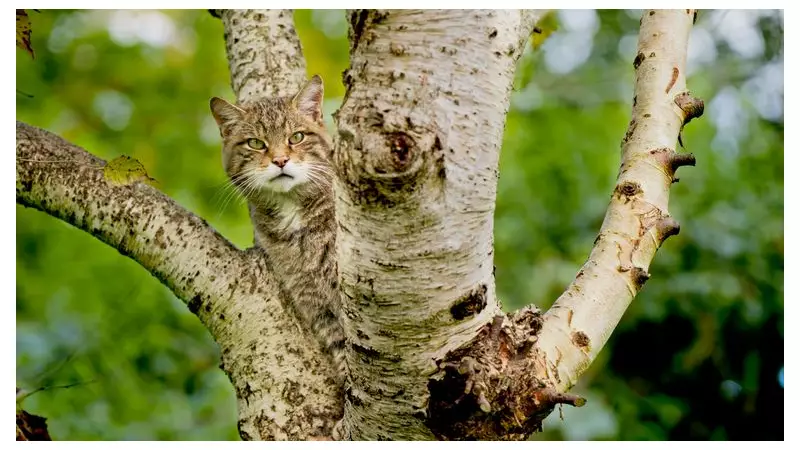
England's native wildcat, absent for nearly a century, could be prowling the woodlands of the South West once more. A comprehensive two-year investigation has concluded that the region possesses the ideal conditions to welcome back this critically endangered species.
Study Confirms Suitable Habitat
The South West Wildcat Project has released its findings, revealing that mid-Devon and its connecting landscapes contain sufficient woodland to sustain a wildcat population. The research, which concluded in November 2025, identified that the area offers a robust mix of habitats including hedgerows, rough grasslands, and arable land.
Crucially, the region boasts a low density of towns and major roads, minimising potential human-wildlife conflict. The report also highlighted that there is ample prey to support the cats, painting a promising picture for their potential return.
Phased Reintroduction and Community Support
The proposed reintroduction plan involves a careful, phased approach. At least 50 wildcats would be released over a period of time, marking a significant step in restoring Britain's only remaining native cat species to part of its former range.
Further bolstering the project's viability, surveys conducted by the University of Exeter found overwhelming public support. Between 71% and 83% of respondents were in favour of the wildcat's return, indicating a welcoming atmosphere for the initiative.
Project lead Cath Jeffs from the Devon Wildlife Trust expressed her enthusiasm, stating, "It's exciting that this report suggests wildcats could be part of the region's nature once again. The return of this critically endangered species would be another step in the restoration of our native wildlife and will help re-balance local ecosystems."
Managing Risks and Future Steps
The report thoroughly assessed potential risks, concluding that the wildcats pose no significant threat to people, pets, or lambs. Furthermore, they are not expected to negatively impact existing endangered wildlife populations, such as bats and hazel dormice.
One of the primary concerns addressed is the risk of interbreeding with domestic or feral cats, which threatens the wildcat's genetic integrity. To mitigate this, the project advises that any reintroduction must work closely with local communities and cat welfare organisations to implement a robust neutering programme in the areas where the wildcats will be present.
Ms Jeffs also emphasised that conversations with farmers and the shooting community would be key to the project's success. While the Devon Wildlife Trust confirms there are no immediate plans for release, it is committed to developing detailed reintroduction schemes in collaboration with its partners, ensuring a carefully managed and community-supported return for this iconic British predator.