Wild Swans in Crisis: When Nature Needs Human Intervention
In a poignant country diary entry, the plight of wild swans has come to the forefront, revealing a stark reality where these majestic birds are increasingly dependent on human assistance. This narrative underscores a broader environmental crisis that threatens not only swans but countless other species across the globe.
The Struggle of Wild Swans
Wild swans, once symbols of untamed beauty and grace, are now facing unprecedented challenges. Climate change, habitat loss, and pollution have created a perfect storm of adversity. Observations from the diary detail how these birds, typically self-sufficient, are struggling to find food and safe nesting sites. Their migratory patterns are disrupted, leading to exhaustion and vulnerability.
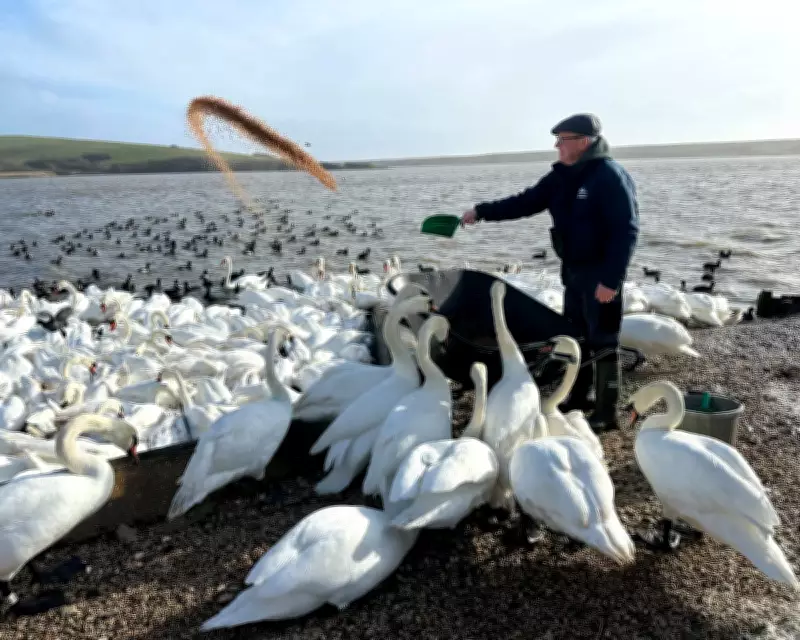
Human intervention has become a critical lifeline. Conservationists and local communities are stepping in to provide supplementary feeding, medical care, and habitat restoration. This shift from passive observation to active support marks a significant change in our relationship with wildlife.

Environmental Factors at Play
The diary highlights several key environmental factors contributing to the swans' decline:
- Climate Change: Altered weather patterns affect food availability and migration routes.
- Habitat Destruction: Wetlands and natural water bodies are being lost to development.
- Pollution: Water contamination from agricultural runoff and industrial waste poses health risks.
These issues are not isolated to swans; they reflect a larger ecological imbalance. The diary serves as a microcosm of the global biodiversity crisis, where human activities are pushing species to the brink.
The Role of Human Assistance
In response to these challenges, human efforts have intensified. Conservation programs now include:
- Monitoring swan populations to track health and numbers.
- Creating artificial feeding stations during harsh winters.
- Rehabilitating injured or sick birds in wildlife sanctuaries.
This proactive approach is essential for the survival of wild swans. However, it raises ethical questions about the balance between intervention and natural processes. Some argue that too much help could lead to dependency, while others see it as a necessary response to human-caused damage.
Broader Implications for Wildlife Conservation
The story of wild swans is a cautionary tale for all wildlife conservation efforts. It emphasizes the need for sustainable practices and global cooperation. Key takeaways include:
- Strengthening environmental policies to protect habitats.
- Promoting public awareness and community involvement in conservation.
- Investing in research to better understand species' needs and threats.
As the diary poignantly notes, the time for passive observation is over. Active human intervention is now crucial to safeguard species like wild swans from extinction. This narrative calls for a renewed commitment to environmental stewardship, where humans and nature can coexist harmoniously.