Wild Instincts Surface in Tamed Horses During Brutal Deer Encounter
A startling event in the Norfolk countryside has provided a visceral reminder that even the most domesticated animals can harbor untamed instincts. While driving through Caistor St Edmund, an observer witnessed a disturbing scene where a herd of horses turned aggressive toward an injured roe deer, revealing the wild nature that persists beneath their gentle exterior.
A Peculiar Season of Anomalies
The incident occurred during what had already been an unusual period marked by personal and environmental oddities. With a family member hospitalized, daily farm life continued amidst strange sightings, including oystercatchers nesting improbably near busy roadways. These birds, known for adapting to human-altered landscapes, served as an early hint that nature often defies expectations.
The Violent Confrontation Unfolds
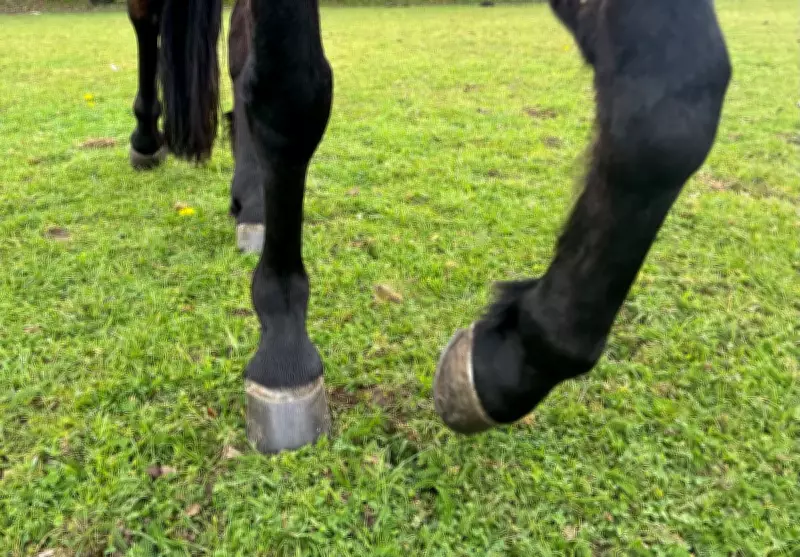
While transporting teenage passengers, the observer noticed horses behaving erratically in a paddock. Upon investigation, they discovered the herd encircling an adult roe deer that had apparently been injured on a nearby road and stumbled into their territory. The deer, though wounded, attempted to stand, triggering a violent response from a dominant black mare.
The mare immediately attacked, biting the deer's neck and pinning it to the ground. As pale fur flew through the air, the deer struggled to escape, only to be pummeled by the mare's front hooves. Other horses in the herd circled nervously, their tension palpable, but the aggressive mare chased them away whenever they approached, displaying bared teeth and flattened ears.
A Failed Rescue Attempt
Believing intervention possible, the observer climbed through the fence and attempted to scare the mare away by shouting and waving arms. However, the horse's territorial aggression proved overwhelming. The mare lunged aggressively, forcing a retreat. The brutal assault continued until the deer succumbed to its injuries, ending the distressing spectacle.
This behavior, while shocking to witness, likely stemmed from territorial instincts. As prey animals, horses typically flee from threats, but in this case, the injured deer triggered a defensive aggression. The incident served as a powerful lesson to the horse-loving teenagers watching silently from behind the fence about the untamed nature that persists even in domesticated animals.
Return to Normalcy and Reflection
Following this traumatic event, normalcy gradually returned to the farm. A cluster of fifteen swallows arrived right on schedule, bringing a welcome sense of seasonal rhythm. Additionally, the hospitalized family member returned home after a successful quadruple heart bypass surgery, much to the delight of their terrier.
This Norfolk encounter underscores that despite centuries of domestication, horses retain elements of their wild ancestry. Their behavior serves as a reminder that animals we consider tamed can still be unpredictable and governed by primal instincts, offering valuable insights for both animal lovers and those who work closely with livestock.