Wild Beaver Pair Discovered in Norfolk, First Since 16th Century
In a remarkable development for wildlife conservation, a pair of wild beavers has been spotted living at Pensthorpe Nature Reserve in Norfolk, marking the first time such animals have settled in the county since the early 16th century. This discovery comes after experts previously believed only one individual resided in the area, located approximately 20 miles outside of Norwich.
Unexpected Valentine's Day Sighting
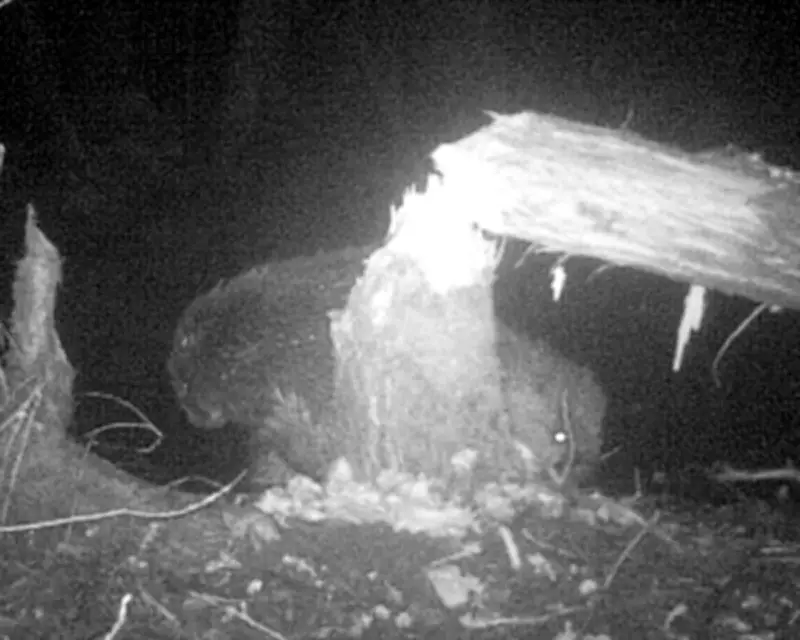
Just ahead of Valentine's Day, the two beavers were captured on camera engaging in a late-night swim and grooming each other by the riverbank. Richard Spowage, the reserve's manager, expressed excitement over the find, noting that while it remains uncertain if they are a breeding pair, their behavior suggests a strong bond. "We won’t know for sure whether they’re a breeding pair until the camera shows they have kits, but they’re quite well bonded and they’re living together and behaving as a family unit," Spowage said. He emphasized that these are truly wild animals, avoiding human interaction entirely.
Mystery Surrounding Their Arrival
The origin of these beavers is shrouded in mystery, with no clear explanation for how they ended up in Norfolk. Spowage suspects they may have been illegally released last year, a practice colloquially known as "beaver bombing." While the reserve does not condone such actions, Spowage acknowledged the positive role they now play in the ecosystem. "We don’t condone it, but our view is that now we have these animals here, playing a role in the ecosystem that was missing from our river, it’s our responsibility to protect them," he stated.

This sighting follows footage from December that revealed a lone beaver establishing a lodge at Pensthorpe, which was hailed as the first free-living beaver recorded in Norfolk in over 500 years. Spowage now believes both beavers likely contributed to building what he describes as a "family-size" lodge, though only one had been initially caught on camera due to the species' elusive nature.
Ecological Impact and Conservation Efforts
In just three months, the beavers have already made significant ecological contributions. They have cleared debris from the river without affecting water levels, revealing a riverbed with sand and gravel, and have opened up glades along the river edge by felling willows and birches. "You can now see a lovely riverbed, with sand and gravel starting to reappear at the base, which is really amazing. They’re opening up little glades along the river edge, where they’ve taken down willows and birches. That will let sun into the river, encouraging vegetation and invertebrates to grow and fisheries to improve," Spowage explained.
Prof George Holmes, a member of a government advisory group for species reintroduction, highlighted the complexities involved. He noted that beaver dams could potentially cause flooding, and their burrows might undermine riverbanks. Once released, beavers gain protected status as an ordinarily resident species in the UK. "Introducing a species isn’t straightforward and it can go badly wrong," Holmes cautioned, but added that in a controlled environment like a nature reserve, the risks are minimized.
Broader Context of Beaver Reintroduction
The native beaver species has been gradually re-establishing itself in the English countryside since 2015, when a litter of wild kits was born in Devon. However, the process of legal reintroduction has been slow. The government began granting licences for wild beaver releases almost a year ago, but only two pairs and a family have been legally released so far, in Cornwall and Somerset earlier this month.
Spowage advocates for more legal introductions into the River Wensum, stressing the genetic necessity for multiple pairs. "Genetically, you can’t have just one pair of beavers on the river," he said. "This is our opportunity to return an animal to our river system which has been missing for 500 years."

Natural England, the government's advisory body, is currently investigating the reports of beavers at Pensthorpe and is "working closely" with the reserve on the matter. According to the Beaver Trust, a charity dedicated to restoring beavers for landscape regeneration, wild beavers can now be found in several English counties, including Cornwall, Somerset, Devon, Kent, Hampshire, Wiltshire, and Herefordshire. Additionally, a Guardian reader reported a sighting in Berkshire.
In Scotland, the government has formally allowed the movement and release of beavers since 2021, with an estimated population of 1,500. A wild beaver has also been spotted on the River Dyfi near Machynlleth in Wales, indicating a growing trend across the UK.