The Untamed Beauty: Why Messy Gardens Are Vital for Urban Wildlife
As spring unfolds, the cacophony of nature fills the air—sparrows chirping, bees buzzing, and wood pigeons cooing. Yet, this symphony is increasingly drowned out by the rumble of mini-diggers tearing through gardens, replacing greenery with concrete and paving. In a single day, what was once a lush, living space can be reduced to bare earth, a stark reminder of a troubling trend sweeping across Britain.
The Rise of the Sterile Garden
According to a Royal Horticultural Society audit, nearly half of Britain's garden space is now paved over. Front gardens are being transformed into neat driveways, with timber fences replacing straggly hedges like privet, holly, or blackthorn. While homeowners cite practical reasons—ease of maintenance, parking needs—the ecological cost is profound. Conservationists warn that gardens are critical oases, supporting over 50% of the nation's butterflies, amphibians, and reptiles, and more than 40% of bird and mammal species.
David Attenborough's series, Secret Garden, highlights these spaces as "magical places," some as diverse as tropical rainforests. However, as one urban garden in Bristol teems with hedgehogs, frogs, and 50 bee species, others are being stripped bare. This contrast underscores a growing disconnect between our supposed love of gardening and the reality of habitat destruction.

The Power of Doing Nothing
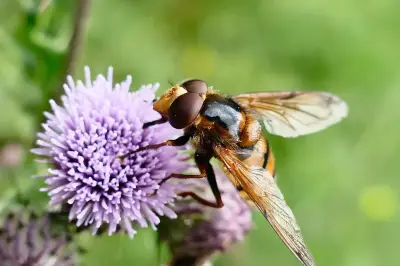
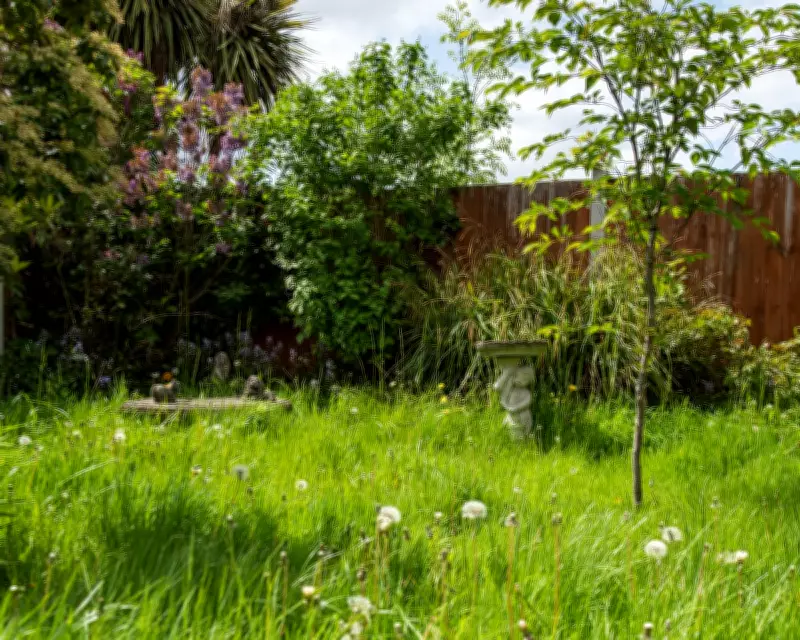
Ironically, the best action for garden biodiversity might be inaction. Messy, neglected gardens are not eyesores but vibrant ecosystems. Dandelions and thistles provide essential nectar and pollen for pollinators. Straggly grass feeds caterpillars, while bald patches of earth offer nesting sites for mining bees. Birds use moss for nests, and aphids serve as food sources. Dead stalks and unswept leaves create havens and larders for countless creatures.
The real work lies in shifting our perception—finding beauty in the untidy and resisting societal pressures to maintain pristine, manicured spaces. For those with limited time or resources, embracing neglect can be a simple, effective way to support wildlife. As one columnist notes, "God forbid your grandkids should see butterflies" if we continue paving over green spaces.
A Call to Action
With biodiversity at risk, there's an urgent need to rethink our approach to gardens. Could David Attenborough inspire a bonus episode celebrating the ordinary magic of bog-standard, overgrown plots? These tangled brambles, nettle patches, and scrubby lawns are vividly alive, offering refuge in an increasingly urbanized landscape. By stopping the tidying and paving, we can preserve these vital corridors for nature, ensuring that future generations witness the wonder of a buzzing, thriving garden.