How a Welsh Village Saved Its Forest Through Community Stewardship
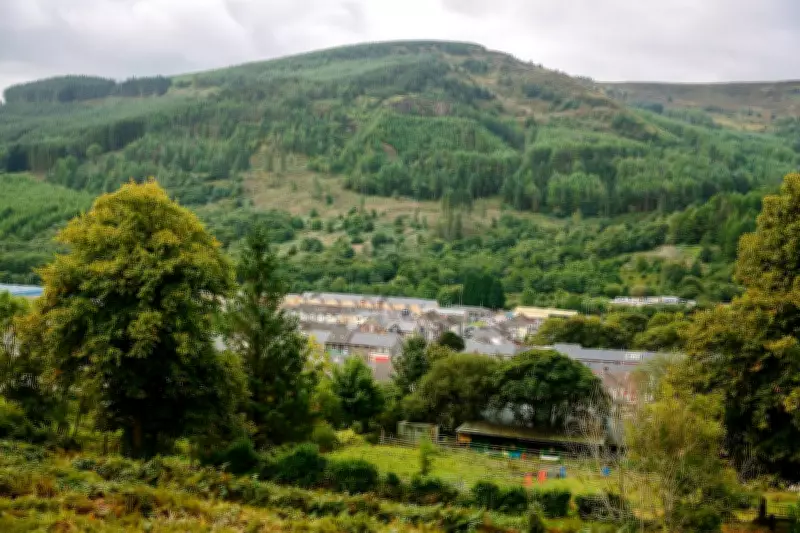
In the rugged landscape above Treherbert in Wales' Rhondda Valley, the Cwm Saerbren woods stand as a testament to both environmental challenges and community resilience. This is the story of how local villagers transformed their relationship with the forest that defines their home, creating a new model for community stewardship that could inspire post-industrial communities worldwide.
The Flood That Changed Everything
February 2020 brought a catastrophic flood to the South Wales Valleys that would fundamentally alter the community's relationship with their environment. After days of relentless rain, water poured into rivers and eventually breached banks, sending torrents toward homes that had never before experienced flooding. The high street in Pentre, situated relatively high in the valley, found itself inundated with water reaching knee-level in some areas.
The flood exposed deeper environmental issues rooted in the region's industrial past. Decades of coal mining had left the valley sides covered with monoculture larch plantations originally grown for pit props. These forests had become overgrown and impenetrable, with access historically restricted first by industrialists and later by public bodies.

A History of Conflict Over Forest Management
Natural Resources Wales, which took over forest management from the Forestry Commission in 2013, had traditionally approached the woodlands with a profit-maximizing mindset. Their practices included clear felling - removing entire sections of forest at once - which often left hillsides bare for decades. When they sent machinery to fell trees after the Pentre floods, they faced significant opposition from local dogwalkers, hikers, and residents who cherished their woodland access.
"That's your version of the truth, not ours," community organizer Ian Thomas told officials during early discussions about forest management. Thomas, who coordinates the local organization Welcome to Our Woods, had witnessed entire forests disappear through clear felling, leaving empty hillsides where people once walked and hiked.
The Community Takes Action
Inspired by land reform activist Chris Blake's Skyline project and a visit to community-managed crofts in Scotland, local residents decided to challenge the status quo. They approached Natural Resources Wales with an unprecedented proposal: co-management of their forest, with equal decision-making power between the community and the government body.
Over the course of a year, community members held ten meetings with Natural Resources Wales officials, including Richard Phipps, who was responsible for creating the official forest resource plan. During these sessions, held in locations ranging from the Treherbert railway canteen to the forest itself, villagers presented their vision for sustainable forestry.
Continuous Cover vs. Clear Felling
The central conflict revolved around forestry methods. Natural Resources Wales traditionally favored clear felling, while the community advocated for continuous cover forestry - a method more common in Alpine regions that involves regular thinning of trees rather than complete removal.
Continuous cover offers multiple advantages:
- Maintains forest ecosystems year-round
- Allows nature to thrive while maintaining productivity
- Provides regular timber harvests rather than boom-and-bust cycles
- Creates opportunities for local wood processing and job creation
The community envisioned establishing a local forestry company that could process thinned timber into everything from houses to furniture, bringing economic benefits directly to the village.
A Historic Agreement
In March 2022, after eighteen months of negotiations, Natural Resources Wales presented a new forest resource plan that incorporated community input. Phipps promised significant changes, including working in blocks over a decade rather than clear-felling entire valley sides, and committing to closer collaboration with communities.
"I want to reduce conflict," Phipps told the assembled community. "To make sure the community doesn't feel ignored and Natural Resources Wales doesn't feel attacked, by working together."

Tangible Progress and Symbolic Structures
Two years later, the partnership has produced visible results. A timber roundhouse constructed by social enterprise Down to Earth stands as symbolic proof that Rhondda larch can be used for more than just biomass fuel. Built from locally sourced wood, the structure serves as a meeting place and represents the first significant construction from Rhondda larch in many years.
Welcome to Our Woods has established its headquarters in Treherbert's old library, where they collaborate with Black Mountains College to offer courses in wellbeing in nature, coppicing, and green wood trades. These programs equip local people with skills for what organizers call "the planetary emergency."
Challenges and Compromises
The partnership hasn't been without compromises. In early 2024, machinery arrived to clear fell sections of forest as part of the negotiated agreement. Within a day, timber was transported to a nearby biomass plant for incineration - a reminder that complete community control remains elusive since the land is still publicly owned.
However, the community has secured small but significant victories. They've acquired some felled wood and dream of establishing their own timber processing plant. Thomas envisions a future where their small green tractor hauls logs to a community-run facility, creating local jobs and adding value to their natural resources.
A Blueprint for Post-Industrial Communities
Treherbert's achievement represents more than just local forest management. It establishes a blueprint for community stewardship that could benefit post-industrial regions worldwide. The village has become the first in Wales to secure a formal agreement with government bodies for shared decision-making about land management.
This model demonstrates that communities can work alongside government agencies to create sustainable environmental policies that benefit both people and nature. While true economic rights to profit from the timber remain limited without forest croft status similar to Scotland's system, the partnership shows alternative pathways to community control.
The Cwm Saerbren woods above Treherbert now stand as living proof that when communities engage directly with environmental management, they can create solutions that honor both ecological needs and human connections to the land. As climate change brings warmer summers and wetter winters to Wales, this community-led approach offers hope for resilient, sustainable relationships between people and their environments.