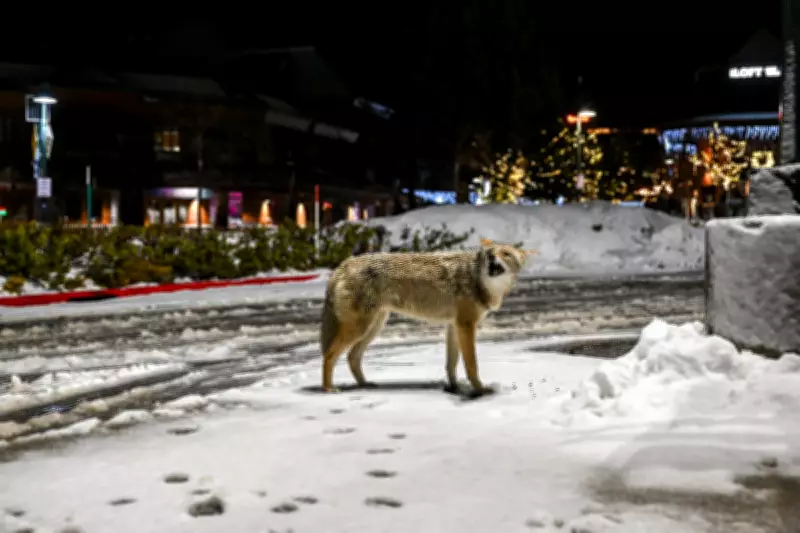
A groundbreaking study has shed light on the remarkable ways coyotes are adapting to urban environments, offering new insights into wildlife resilience and city ecology. Researchers conducted an extensive analysis across multiple cities in the United States, tracking coyote movements, dietary habits, and social behaviors to understand how these animals navigate human-dominated landscapes.
Key Findings from the Urban Coyote Research
The study reveals that coyotes in urban areas exhibit significant behavioral shifts compared to their rural counterparts. Urban coyotes have developed more nocturnal activity patterns to avoid human interaction, often foraging and traveling during nighttime hours. Their diets have diversified to include a higher proportion of human-related food sources, such as garbage and pet food, alongside traditional prey like rodents and small mammals.
Ecological Impacts and Human Interactions
Researchers noted that urban coyotes play a crucial role in controlling pest populations, such as rats and geese, which can benefit city ecosystems. However, the study also highlights increased instances of human-coyote encounters, raising questions about coexistence strategies. The animals have shown a surprising ability to utilize green spaces, parks, and even transportation corridors like railways to move through urban areas.

The research indicates that coyote populations in cities are often more genetically diverse and stable than previously assumed, suggesting successful adaptation rather than mere survival. Scientists emphasize the importance of public education and habitat management to mitigate conflicts, as coyotes continue to expand their urban presence. This study underscores the dynamic nature of urban wildlife and the need for integrated conservation approaches in metropolitan planning.