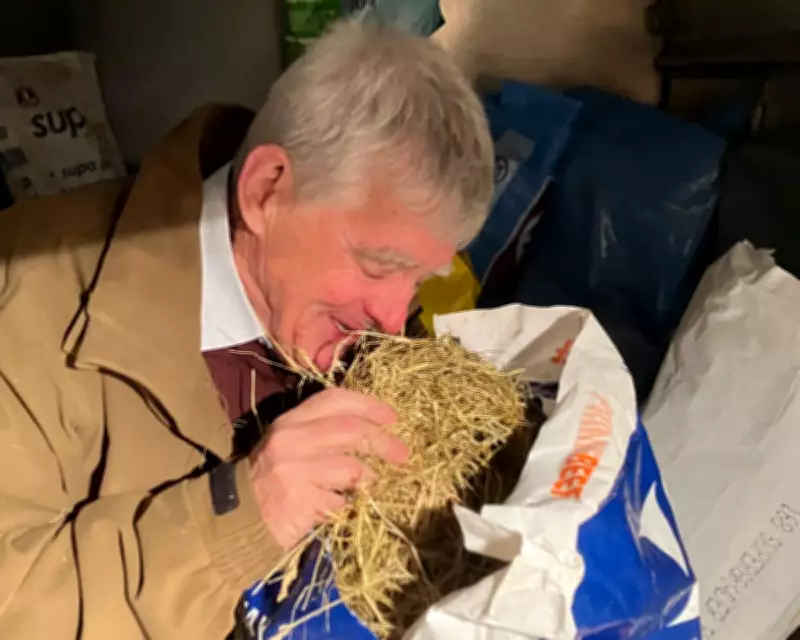
Country Diary: The Quest for Britain's Most Aromatic Silage
In a unique exploration of rural life, I embarked on a journey across the United Kingdom to uncover which farms produce the most potent and distinctive silage aromas. This investigation delves into the sensory world of agriculture, where the smell of fermented grass can vary dramatically from one farmstead to another.
The Science Behind Silage Scents
Silage, a staple feed for livestock made from fermented grass or other crops, is renowned for its strong odour. The process involves anaerobic fermentation, where bacteria break down plant material, releasing compounds that create its characteristic smell. Factors such as the type of crop, moisture content, and fermentation conditions all influence the final aroma, making some silage notably more pungent than others.
A Sensory Tour of UK Farms
Visiting a variety of farms, from smallholdings in the Scottish Highlands to larger operations in the English Midlands, I encountered a spectrum of silage smells. Some emitted a sharp, acidic tang, while others had a sweeter, almost earthy note. Farmers shared insights into their methods, with many noting that well-managed silage should have a pleasant, fermented scent, though extremes can occur due to weather or storage issues.

Key observations included:
- Farms in wetter regions often produced more intense odours due to higher moisture levels in the silage.
- Traditional methods versus modern techniques resulted in different aromatic profiles.
- Local wildlife, such as birds and insects, seemed attracted to certain silage piles, hinting at ecological impacts.
Community and Environmental Perspectives
Beyond the sensory experience, the smell of silage plays a role in rural communities. Neighbours and passersby often have strong opinions, with some appreciating it as a sign of productive farming, while others find it a nuisance. Environmental considerations also come into play, as odours can affect air quality and local biodiversity, though silage remains a sustainable feed option when managed responsibly.
This investigation highlights the rich tapestry of UK agriculture, where even something as simple as silage can tell a story of tradition, science, and community.