Record-Breaking Early Spring Emerges in UK, Driven by Climate Shifts
An unprecedented early spring is sweeping across the United Kingdom, with citizen science data revealing a cascade of record-breaking seasonal events. From the earliest egg-laying in an 80-year study of great tits to advanced caterpillar growth and premature butterfly emergences, 2026 is poised to become the earliest recorded spring this century.
Phenological Records Shattered Across the Nation
According to Nature's Calendar, a project managed by the Woodland Trust and funded by the Postcode Lottery, volunteers have documented dramatic shifts in seasonal timing. Provisional figures indicate that frogspawn appeared on average by February 23, significantly earlier than the previous record of March 5. Blackbirds commenced nesting by March 4, while hazel trees flowered by January 14, beating the 2024 average by eight days.
Alex Marshall, a citizen science officer for Nature's Calendar, emphasized the consistent trend. "Spring is looking pretty early, and the broad trend is one we see year on year – spring is happening earlier," Marshall noted. Last year, only one of 150 monitored spring events occurred later than average, and 2026 appears to be following a similar, if not accelerated, pattern.
Avian Adaptations and Insect Advancements
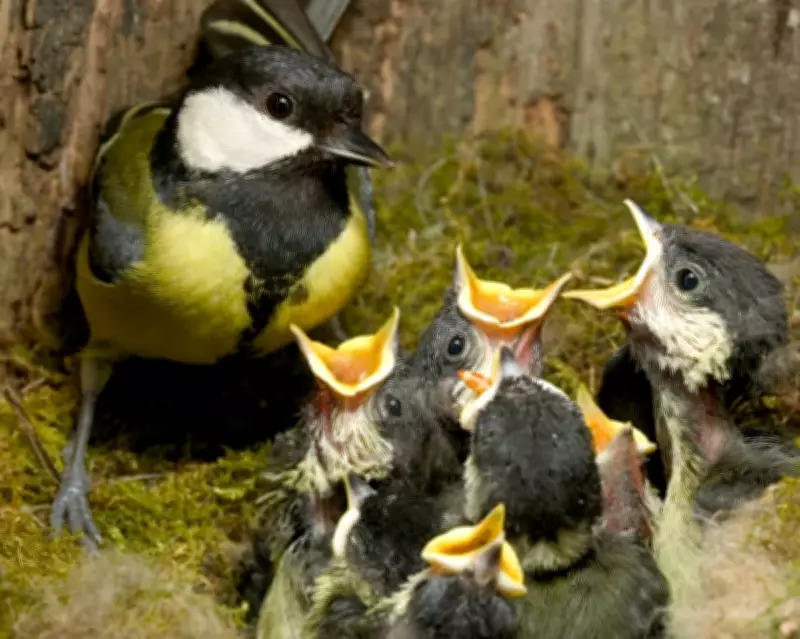
In Wytham Woods, Oxfordshire, great tits laid eggs on March 23, marking the earliest date in an eight-decade-long study and surpassing the previous record by three days. Since the 1960s, the average egg-laying date for these birds has advanced by 16 days, a crucial adaptation to ensure chicks hatch synchronously with caterpillar emergence.
Similarly, Dunsford Woods in Devon recorded its earliest coal tit egg since records began in 1955. This trend extends beyond the UK, with the Netherlands also witnessing record-breaking early tit egg-laying, underscoring widespread climatic changes across northern Europe.
Insect activity has surged ahead of schedule as well. The first orange-tip butterfly, a traditional harbinger of true spring, was spotted on March 18. Naturalist Matthew Oates observed his first on March 31 in the Cotswolds, a stark contrast to the typical mid-April emergence recorded fifty years ago.
Caterpillar Growth and Floral Displays
Caterpillars of midsummer butterflies, including purple emperors, white admirals, and silver-washed fritillaries, are appearing unusually large and advanced for the season. "The latter caterpillars should be so small you don't even notice them," Oates remarked, humorously calling for a ministerial statement on the state of the nation's caterpillars.
Floral displays have been equally spectacular, with violets, celandines, stitchwort, dandelions, and cowslips blooming in profusion. Writer Richard Mabey described rarely witnessing such sensational early spring flowers, attributing the bounty to last summer's heat combined with heavy winter rains.
Climate Context and Ecological Implications
This accelerated spring growth has been fueled by a relatively warm winter, one of the wettest Januaries on record in many regions, and Britain's joint tenth warmest March. While some scientists warn of "phenological mismatch," where species fail to synchronize with climate-induced changes, the adaptive behaviors of birds like great tits offer a glimmer of hope.
However, not all species are faring well. The willow warbler has nearly vanished from southern England, a direct consequence of climate change, according to naturalist Nick Acheson. "That's the most obvious sacrament of the changing spring," he observed, contrasting this decline with the earlier singing of chiffchaffs, some of which now overwinter in the UK instead of migrating.
Meteorological Perspectives and Future Outlook
Grahame Madge, a spokesperson for the Met Office, noted that cold spells during March are typical for the transitional month. "Nature is well cushioned to be able to deal with the odd cold spell here and there," he stated, cautioning against interpreting individual weather events as definitive signs of climate change.
Despite concerns that global heating could jeopardize wildlife through premature emergences and cold snaps, such fears have not materialized this year, though Storm Dave poses a potential threat. Oates predicts that midsummer butterflies could emerge as early as May, an event not seen since the exceptionally hot and dry summer of 1893.
"These are very exciting times to be a naturalist," Oates concluded. "And the nation needs its naturalists to tell it what's going on." As records continue to fall, the early spring of 2026 stands as a vivid testament to the profound and accelerating impacts of climate change on the natural world.