Rare Twin Births Offer Hope for Mountain Gorillas in Virunga
In a remarkable development for wildlife conservation, two sets of mountain gorilla twins have been born within three months in the Democratic Republic of the Congo's Virunga National Park. This extraordinary event signals a significant milestone for a species that was once teetering on the brink of extinction.
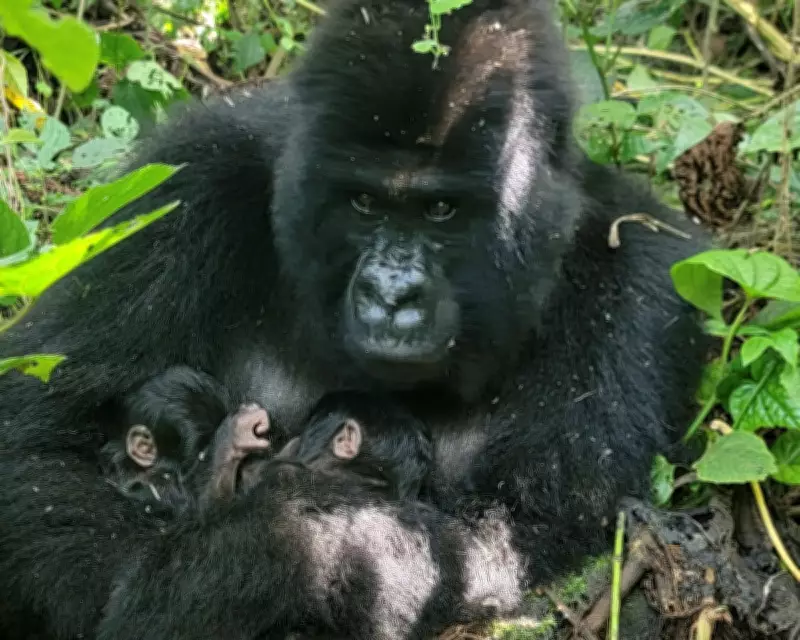
Mafuko, a mountain gorilla mother, was recently photographed cradling her newborn twin sons, providing a powerful visual testament to the success of ongoing conservation initiatives. These twin births are exceptionally rare, accounting for less than 1% of all mountain gorilla births, making two occurrences in such a short timeframe particularly noteworthy.
From Near Extinction to Remarkable Recovery
During the 1970s and 1980s, conservationists feared the complete disappearance of mountain gorillas, with global populations dwindling to approximately 250 individuals. Today, thanks to decades of dedicated conservation work, that number has rebounded to over a thousand and continues to grow steadily.

Jacques Katutu, head of gorilla monitoring at Virunga National Park, emphasized the significance of these twin births: "Two instances of twin births within three months are extraordinary events and provide another vital indicator that dedicated conservation efforts, which have continued despite the current instability in eastern DRC, support the growth of the endangered mountain gorilla population within Virunga national park."
The Conservation Heroes Behind the Success
The remarkable turnaround in mountain gorilla fortunes represents one of the most significant conservation success stories of the past century. This achievement has been made possible through the tireless efforts of multiple organizations working in challenging conditions.
Park rangers in Virunga face extraordinary dangers in their work, with more than 220 rangers killed while protecting wildlife in the past two decades. Despite operating in an area where rebel groups and militias continue to pose serious threats, these dedicated professionals continue their vital conservation work.
Equally crucial to this success story are the Gorilla Doctors, a team of veterinarians who provide essential medical care to the gorilla populations. Research indicates that approximately half of the mountain gorilla population increase can be attributed to their interventions when animals suffer from injuries or diseases.
Dr. Benard Ssebide, one of the Gorilla Doctors, explained their approach: "We know each gorilla by name and have watched them grow up to form their own family groups. Our daily monitoring and medical interventions have been crucial to their survival and recovery."
What the Twin Births Reveal About Gorilla Health
Conservation experts believe the twin births may indicate particularly robust health among the mountain gorilla families in the Virunga range. Raising twins places significant additional demands on gorilla mothers, suggesting that the populations are thriving enough to support such challenging circumstances.
Infant mountain gorillas typically face high mortality rates due to various threats including infanticide, physical trauma, and illness. However, in a promising development, the first set of twins born in January have been reported as alive and thriving, with other members of the Bageni gorilla troop observed assisting mother Mafuko with her infant sons.
This collaborative behavior within gorilla troops further demonstrates the strength and resilience of these social structures, which have been nurtured through careful conservation management.
A Broader Conservation Context
The mountain gorilla success story unfolds against a backdrop of environmental challenges that continue to threaten ecosystems worldwide. Yet this achievement serves as a powerful reminder that dedicated human intervention can produce remarkable results for endangered species.
The conservation model developed for mountain gorillas—combining habitat protection, veterinary care, and continuous monitoring—has proven so effective that it now serves as a blueprint for other endangered species recovery programs globally.

As the mountain gorilla population continues to expand, conservationists face new challenges related to habitat capacity and sustainable management. However, the recent twin births provide compelling evidence that the foundational conservation strategies remain effective and that these magnificent creatures continue on their path to recovery.
The story of mountain gorillas in Virunga National Park demonstrates what can be achieved when scientific expertise, dedicated personnel, and sustained international support converge to protect our planet's most vulnerable species.