The Remarkable Connections Underpinning Our Orchards
In a world increasingly dominated by urban sprawl and industrial agriculture, the humble orchard stands as a testament to the profound connections that sustain both nature and human culture. It is extraordinary how much these cultivated landscapes are founded on intricate webs of relationships, weaving together ecological, historical, and social threads into a vibrant tapestry of life.
Ecological Bonds in Orchards
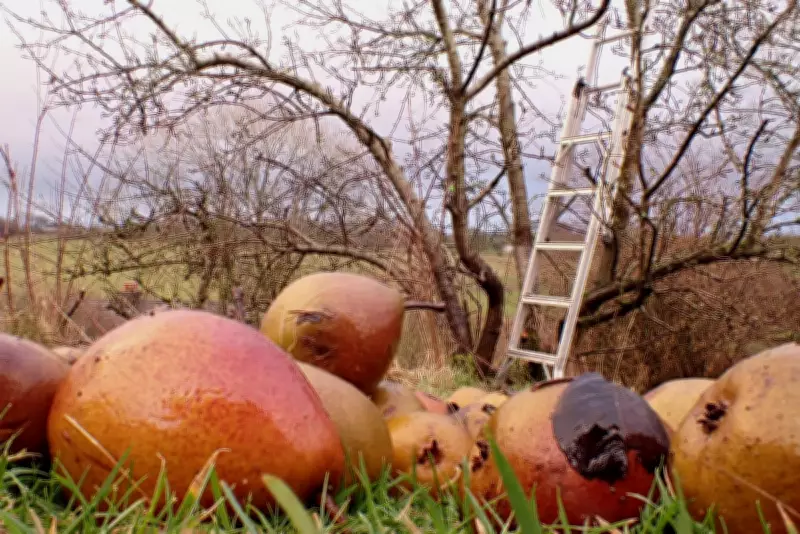
Orchards are not merely collections of fruit trees; they are dynamic ecosystems teeming with biodiversity. Each tree serves as a hub for countless interactions, from pollinators like bees and butterflies that ensure fruit production to birds and insects that control pests naturally. The soil beneath is a living network of fungi and microorganisms, essential for nutrient cycling and tree health. This ecological foundation underscores how orchards rely on a delicate balance of species, making them vital for environmental conservation and resilience against climate change.
Historical and Social Roots
Beyond their ecological roles, orchards are deeply embedded in human history and community life. For centuries, they have been centers of agricultural tradition, passed down through generations with knowledge of grafting, pruning, and harvesting. These spaces foster social connections, from family gatherings and seasonal festivals to educational programs that teach sustainable practices. Orchards symbolize a shared heritage, linking people to the land and to each other, and preserving cultural identities in an era of rapid change.

Challenges and Future Prospects
Despite their importance, orchards face significant threats from urbanization, monoculture farming, and neglect. The loss of these spaces risks severing the very connections that make them extraordinary. However, initiatives to restore and protect orchards are gaining momentum, driven by community efforts and environmental awareness. By emphasizing their value for biodiversity, food security, and well-being, we can ensure that orchards continue to thrive as living legacies of connection for future generations.