Extreme Flooding in Somerset Reshapes Birdlife, Creating Winners and Losers
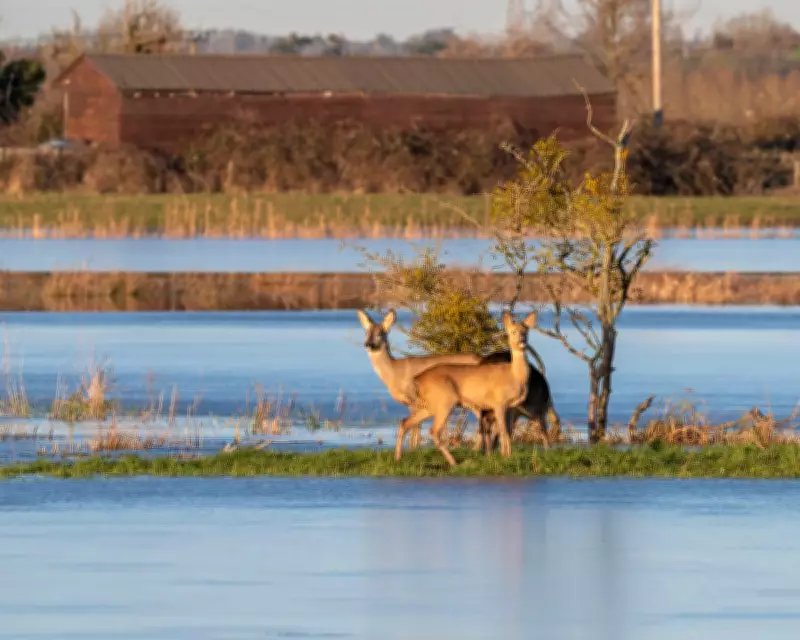
A recent comprehensive study has uncovered the profound ecological impacts of extreme flooding in Somerset, revealing a dramatic reshuffling of bird populations with distinct winners and losers emerging from the inundated landscapes. The research, conducted over several years following severe flood events, highlights how climate change-induced weather patterns are forcing rapid adaptations in wildlife, with some species capitalizing on the new conditions while others struggle to survive.
Winners of the Flooded Terrain
Among the beneficiaries of the transformed environment are waterfowl and wading birds, which have seen their populations surge in response to the expanded wetland habitats. Species such as the lapwing, snipe, and various ducks have thrived, utilizing the flooded fields and marshes for breeding and foraging. The study notes that these birds have adapted quickly, with increased nesting success and food availability in the waterlogged areas. This shift underscores how certain wildlife can exploit ecological disruptions, albeit temporarily, as the flooding creates ideal conditions for their lifecycle needs.
Losers Facing Decline
Conversely, ground-nesting birds and those reliant on dry grassland habitats have suffered significant declines. Species like the skylark and meadow pipit have experienced reduced breeding success and habitat loss, as their traditional nesting sites are submerged or degraded by prolonged water exposure. The research points to a worrying trend of population decreases, with some birds struggling to find alternative habitats in the increasingly fragmented landscape. This highlights the vulnerability of certain species to extreme weather events, raising concerns about long-term biodiversity in the region.
Ecological and Climate Implications
The findings emphasize the broader implications of climate change, as extreme flooding becomes more frequent and intense in areas like Somerset. The study suggests that such events can lead to lasting changes in ecosystem dynamics, with potential cascading effects on other wildlife and plant communities. Researchers warn that without adaptive conservation strategies, the losers may face further declines, while the winners could see their advantages diminish as conditions evolve. This underscores the need for proactive measures to mitigate climate impacts and support resilient ecosystems in flood-prone regions.
In summary, the extreme flooding in Somerset has created a complex ecological tableau, reshaping birdlife in ways that reflect both resilience and vulnerability. As climate change continues to alter landscapes, understanding these dynamics is crucial for informing conservation efforts and safeguarding biodiversity in the face of environmental challenges.