How to Save Solitary Bees: Eight Essential Steps for Gardeners
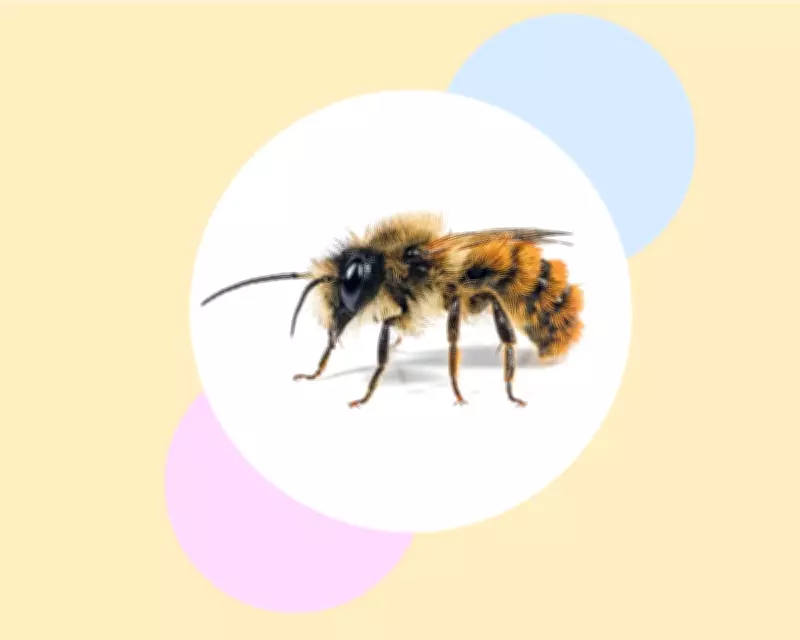
Solitary bees, the unsung heroes of pollination, are facing a critical decline due to habitat loss and chemical overuse. Unlike honeybees or bumblebees, these loners comprise over 240 species in the UK, including the hairy-footed flower bee and leaf-cutter bee. They are incredibly efficient pollinators, with a single red mason bee matching the work of 120 honeybees. However, data from Buglife's Bugs Matter survey shows a 19% annual decline in flying insects over five years, highlighting an urgent need for action.
Why Solitary Bees Need Our Help
Laura Larkin, chief conservation officer at Buglife, notes that solitary bees are not doing well, with a 59% overall decline from 2021 to 2025. This trend is supported by studies like a 2017 German report showing a 75% drop in flying insect biomass over 27 years. To combat this, here are eight ways to support these essential pollinators.
Eight Ways to Help Solitary Bees Thrive
1. Participate in the Bugs Matter Survey

Anyone with access to a car can join this survey by logging journeys on a free app for Android or IOS. Count insect splats on your number plate and submit photos, even if there are none. This data helps track insect populations, and participation is open until September.
2. Create Homes for Mining Bees
Seventy percent of solitary bees are mining bees that burrow underground. Provide sunny, south-facing spots in your garden with bare ground or soil for nesting. Look for small earth volcanoes with holes and avoid disturbing them for a few weeks.
3. Diversify Your Lawn
Mix short and long grass areas. Short lawns benefit mining bees like buffish and tawny mining bees for nesting, while longer grass offers feeding opportunities. This balance supports both nesting and foraging.
4. Delay Garden Clean-Ups
Leave plant stems and stalks in autumn to provide nesting sites for cavity-nesting bees. If you must tidy, cut dead stalks to 30cm to retain habitat.
5. Build or Buy Bee Hotels
Create bee hotels using a box at least 16cm deep filled with dry stems like alliums or sunflowers. Place it in a sunny, sheltered spot at chest height. Ensure purchased hotels have holes 2mm to 10mm in diameter and are at least 12cm deep. Move hotels to a dry, cool place in autumn to protect from birds.
6. Plant Bee-Friendly Flowers
Choose native plants that solitary bees love, such as field scabious for large scabious mining bees or pulmonaria for hairy-footed flower bees. Even window boxes can support bees with crocuses or forget-me-nots. Plan for blooms in spring and autumn, and leave dandelions for early pollen.
7. Conduct Fit Counts
Join the Pollinator Monitoring Scheme by watching a flower patch for 10 minutes and recording insects. Use their app or website for guidance, and contribute data to help monitor pollinator health.
8. Reduce Pesticide Use
Eliminate or minimize pesticides in your garden and advocate for community-wide reductions. Chemicals harm not only target pests but also beneficial insects like solitary bees. Embrace a mindset shift to appreciate the diversity of insects in your space.
By implementing these steps, you can create a healthier environment for solitary bees and enjoy the reward of watching these vital pollinators thrive.