Eight Essential Steps to Protect Britain's Bats and Boost Biodiversity
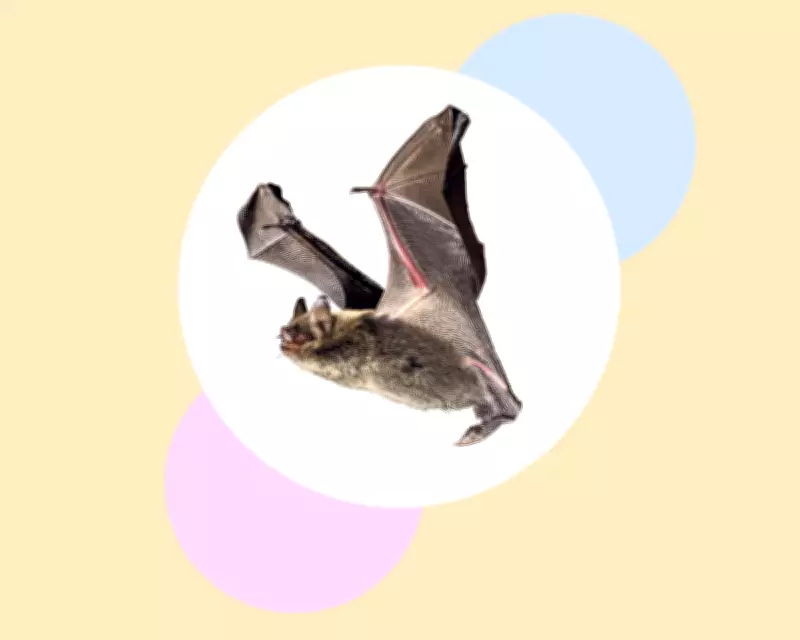
Bats often face a negative reputation, but these creatures are truly remarkable. According to a recent survey by the Bat Conservation Trust (BCT), 46% of people expressed negative feelings about bats. However, bat carer Liz Vinson, a volunteer with the BCT, describes them as "little furry humans with huge jazz hands. They have individual characters: some are divas; some are bone idle." Shirley Thompson, BCT's honorary education officer, has been championing bats since the 1980s and still finds them magical. "The more you find out about them, the more you realise what amazing creatures they are," she says.
Why Do Bats Need Saving in the UK?
Of the 11 bat species with good records in the UK, five are increasing, including the common pipistrelle and soprano pipistrelle, while six others appear stable. This sounds positive, but population monitoring only began in 1999, and there is significant regional variation. Over a longer timescale, genetic research indicates UK barbastelle bat populations have declined by 99% over the past 500 years, likely due to habitat loss and insect decline. Dr Joe Nuñez-Miño of BCT notes, "Although we don't have the data to say it with scientific rigour, we are pretty confident that pipistrelles have declined massively."
How You Can Help Save Britain's Bats
Cut the Lights: Bats prefer darkness, and artificial light can effectively cause habitat loss. Dr Nuñez-Miño explains, "Shining artificial light on to habitat is in effect habitat loss. You're creating a space that is no longer suitable for many bat species." Use low, downward-facing lighting only when necessary, such as motion-sensitive lights, and reduce brightness as much as possible. Detailed guidance is available on the BCT website.

Keep Your Cat Indoors: Cats are significant predators, with two-thirds of wing tears on injured bats in the UK attributable to cats. Dr Nuñez-Miño advises, "At the very least in the summer months – particularly May, June, July – if you can keep your cats indoors at dusk and dawn, then that makes a huge difference." This is when female bats are pregnant and most vulnerable.
Create a Bat Buffet: Attract insects to your garden by planting a variety of flowers with a long flowering season. Dr Nuñez-Miño says, "All our bat species in the UK eat insects." Aim for diverse heights and habitats, such as climbers, hedges, trees, and shrubs. Thompson recommends open, daisy-style flowers and umbellifers. Compost heaps and water features, even small tub ponds, can also lure insects.
Help a Grounded Bat: If you find a bat on the ground, it needs assistance. Vinson states, "If a bat is on the ground, it needs help." Never touch a bat with bare hands; instead, use an old tea towel to scoop it into a lidded box with air holes and a small water container. Call the National Bat Helpline at 0345 1300 228 for guidance.
Build or Buy a Bat Box: Provide roosting options by installing bat boxes, such as the "Kent" style recommended for UK bats. Ensure the box has a rough surface, a narrow entrance slit (15-20mm), and is made of untreated wood. Site it at least three metres high, away from light sources, near insect-foraging spots like trees or water.
Advocate for Bats in Your Area: If local developments threaten bat habitat, use BCT resources to monitor, intervene, and advocate in planning processes. This helps protect critical roosting and feeding areas from destruction.
Get Counting: Participate in the National Bat Monitoring Programme's Sunset Survey or Night Watch Survey. Dr Nuñez-Miño explains, "You can just go out and sit in your garden or local park, and take part." The Night Watch Survey uses an AudioMoth device to record bat activity, providing valuable data for conservationists.
Go Bats for Bats: Educate yourself and others about bats. Join bat walks, engage with local bat groups, and inspire young people. Thompson notes, "Kids are often the best ambassadors for bats. They are totally without preconceptions." Sharing knowledge can help shift perceptions and support conservation efforts.

By taking these steps, you can contribute to the preservation of Britain's bats, ensuring these incredible mammals thrive for generations to come. Their unique physiology, long lifespan, and ecological role make them vital to our biodiversity.