RSPB Issues Summer Warning: Stop Feeding Birds to Combat Disease Spread
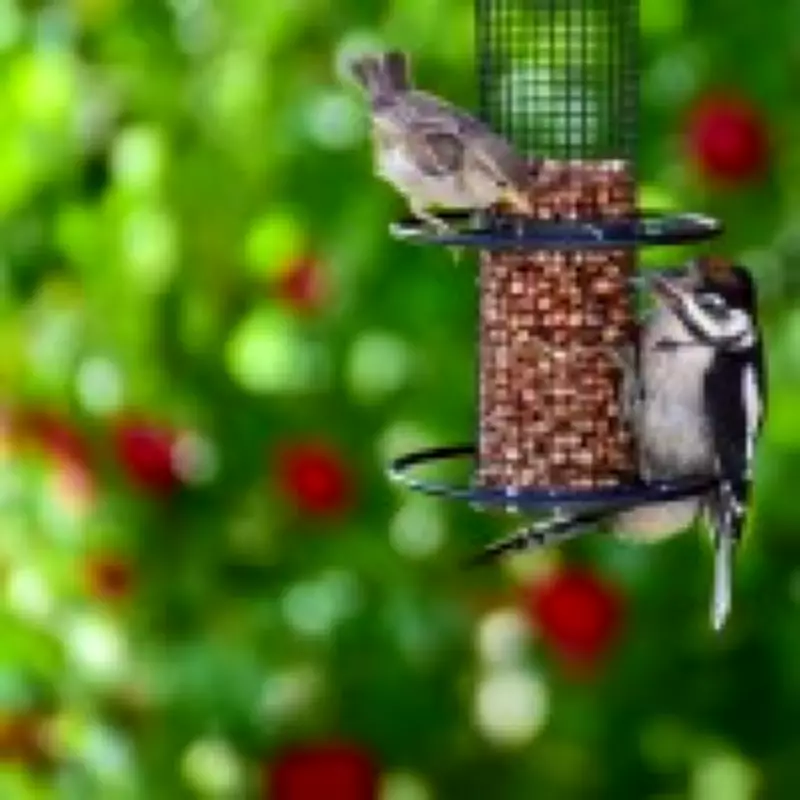
As warmer weather arrives, many nature enthusiasts in London and across the UK feel compelled to support local wildlife by setting up bird feeders. However, the Royal Society for the Protection of Birds (RSPB) has issued a stark warning against this practice during the summer months, citing significant health risks for avian populations.
Greenfinch Populations in Crisis
Over the past three decades, Greenfinch numbers have plummeted by more than 65%, a decline largely attributed to the spread of trichomonosis. This infectious disease thrives in environments where birds congregate, such as communal feeding stations. In 1979, Greenfinches ranked seventh among the most commonly spotted birds in the UK; today, they have fallen to eighteenth place, highlighting the urgency of the situation.
Seasonal Feeding Guidelines
The RSPB emphasizes a "Feed seasonally. Feed safely" approach. During the high-risk period from May 1 to October 31, when natural food sources like seeds and insects are abundant, experts recommend avoiding traditional seeds and peanuts. Instead, offer small quantities of mealworms, fatballs, or suet. From November 1 to April 30, a full range of foods, including seeds, can be safely provided to support birds through the winter.

Essential Hygiene Practices
Maintaining a disease-free environment requires diligent care. Bird feeders and water baths should be cleaned thoroughly at least once a week to remove old food and droppings. The RSPB advises rotating feeder locations weekly to prevent the accumulation of contaminated debris. Additionally, placing multiple feeders in different areas reduces crowding and minimizes contact between species, further lowering disease transmission risks.
Additional Safety Measures
Avoid positioning feeders beneath trees or other roosting spots where droppings can contaminate food. Flat surfaces should also be avoided as they increase disease vulnerability. Offer only as much food as birds can consume within one to two days to prevent spoilage and overfeeding. For water sources, use tap water and change it daily; a garden pond is ideal for providing fresh water to wildlife.
Promoting Natural Foraging
To support birds without feeders, consider planting bird-friendly vegetation such as sunflowers, teasels, and ivy. These plants offer natural food sources and encourage healthy foraging behaviors, reducing reliance on artificial feeding stations.
By adhering to these guidelines, individuals can help protect vulnerable species like the Greenfinch and contribute to broader conservation efforts during the critical summer months.