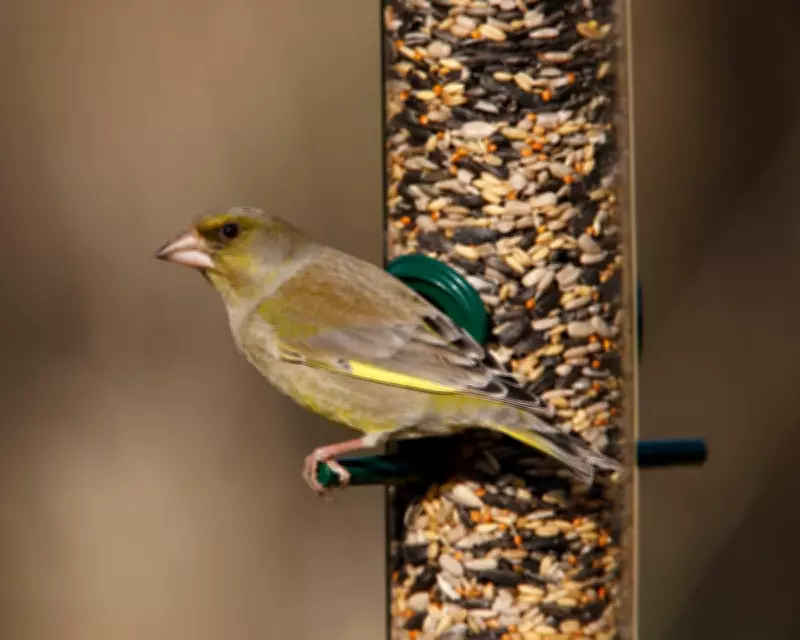
The Royal Society for the Protection of Birds (RSPB) has issued new guidance urging bird enthusiasts to adopt seasonal feeding practices to mitigate the spread of avian diseases, particularly trichomonosis, a parasitic infection that thrives in warmer months. This advice comes in response to alarming declines in species like the greenfinch, which has seen a 67% drop in numbers since 1979, largely due to disease transmission at feeders.
Seasonal Feeding Strategy to Protect Vulnerable Species
From May 1 to October 31, the RSPB advises removing all bird feeders containing seeds and peanuts, as these attract large clusters of birds, facilitating the spread of trichomonosis. Instead, small amounts of protein-rich foods such as mealworms, fat balls, or suet are recommended. These alternatives provide essential nutrients for birds feeding their chicks while minimizing gatherings that increase disease risk.
Impact of Trichomonosis on Finch Populations
Trichomonosis, primarily affecting finch species, is transmitted through fluids like saliva at feeders. During summer, the parasite survives longer, making outbreaks more common. An estimated 6 million greenfinches and chaffinches have perished from the disease in recent years, highlighting the urgency of preventive measures. The greenfinch now ranks 18th in the Big Garden Birdwatch and is on the red list of endangered British birds.

Safe Feeding Practices Year-Round
While summer feeding requires caution, the RSPB emphasizes that bird lovers can continue using seeds and feeders in winter when disease spread is reduced. However, it recommends retiring bird tables and flat-surfaced feeders, as contaminated food can accumulate on these surfaces, heightening infection risks. Regular maintenance, such as cleaning feeders weekly and changing water daily, is crucial for avian health.
Big Garden Birdwatch 2026 Results and Trends
The latest Big Garden Birdwatch, involving 650,000 participants, revealed ongoing population shifts. The house sparrow remains the most common garden bird, followed by the blue tit and starling. Notably, the wood pigeon has experienced a dramatic 1,003% increase since 1979, while many species face declines. This data underscores the complex dynamics of garden bird populations and the need for informed conservation efforts.
Environmental Considerations and Natural Alternatives
Beyond feeder management, the RSPB advocates for bird-friendly gardening to support avian health naturally. Planting sunflowers, teasels, and ivy provides seasonal food sources and encourages insects, vital for chicks. Research indicates that excessive feeding can alter local ecosystems, such as the phosphorus cycle, potentially reducing biodiversity by favoring certain plants over others.
Beccy Speight, chief executive of the RSPB, stated, "We're not asking people to stop feeding, just to feed in a way that protects birds' long-term health. By making small changes together, we can ensure garden feeding continues to be a positive force for nature." This approach aims to balance human enjoyment with ecological responsibility, fostering healthier bird populations across the UK.