Embracing Wild Gardening: A Personal Transformation
On a chilly January day in Manchester, I navigated the paved paths of University Green, surrounded by lush, unmown lawns dotted with snowdrops. This marked the beginning of the inaugural "Wilding Gardens" conference, where scientists and practitioners gathered to explore innovative approaches to gardening and nature. The discussions centered on how gardens, if allowed to thrive naturally, can combat climate change and biodiversity loss, offering untapped potential for ecological restoration.
A Journey from Sydney to Manchester
Traveling from Sydney, where a heatwave threatened my own garden, I felt a mix of anticipation and isolation as the only Australian in the room. Then, Isabella Tree walked by, less than a meter away. As a rewilding pioneer, Tree and her husband, Charlie Burrell, had inspired me with their transformation of Knepp, a 3,500-acre farm in West Sussex, into a thriving wild landscape by relinquishing control to nature. Their work, documented in books and films, motivated me to apply these principles to my suburban garden.
The Start of a Wild Obsession
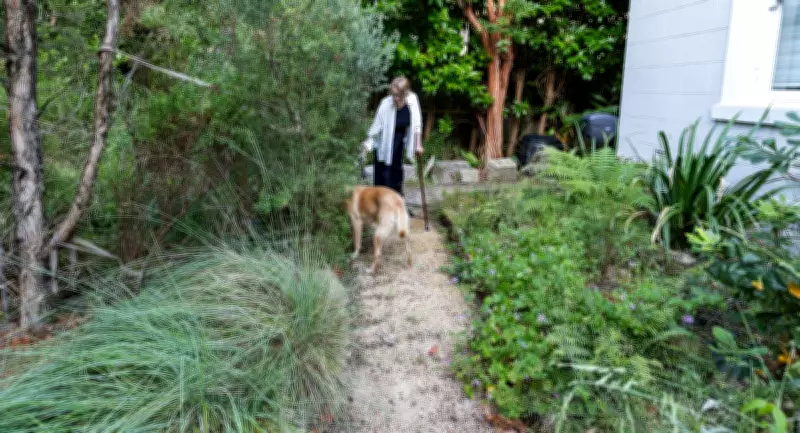
My journey into wild gardening began in 2019, during Australia's devastating bushfires. Anxious about the planet, my family and I created a frog pond in our Sydney garden to address the silence of our manicured space. We replaced clipped lawns and pruned hedges with native plants, eliminated toxic chemicals, and added features like bird baths and clay pipes for lizards. Soon, wildlife returned—eastern water skinks, native bees, striped marsh frogs, and blue-tongue lizards—bringing back the natural sounds of my childhood.

Finding Solace in Nature
This period coincided with the Covid-19 pandemic and my husband's cancer diagnosis, a time of profound uncertainty. The growth of our garden, with its ruby-like daisy buds and glowing orange banksia flowers, offered beauty and connection. Plants like the narrow-leaved paperbark, which bloomed spectacularly in spring 2023, became symbols of resilience, attracting a multitude of creatures and mirroring my own steadfastness in a wheelchair.
Challenges and Awakenings
Not everyone supported my wild gardening efforts; a professional gardener once warned it would lower my property's value. Undeterred, I studied horticulture online, only to discover that traditional practices often conflicted with my goal of creating a wildlife refuge. This realization fueled my commitment to a more ecological approach.
Insights from the Conference
At the conference, speakers emphasized the importance of wild gardening. Isabella Tree advocated for shedding tidiness obsessions and embracing a looser aesthetic. Entomologist Erica McAlister highlighted insects as "the most important creatures on the planet," while experts like James Hitchmough discussed the collapse of insect populations and urged against insecticide use. Others, like Mike Edwards, encouraged gardening with our ears, focusing on the sounds of nature, and designers Adam Hunt and Lulu Urquhart explored making scrub habitats appealing for small animals.
A Pilgrimage to Knepp
After the conference, I visited Knepp Estate, a holy pilgrimage for me. Despite the winter setting, the landscape was alive with waddling ducks, bare oak trees, and abundant birdlife, including red kites and white storks. Over two days, I toured the walled garden, now a naturalistic mosaic of plants and decay, managed to boost insect biodiversity by a third in three years. Walking public footpaths with my family, I witnessed fields of scrub and heard constant birdsong, reinforcing why wilding gardens matters for future generations.
The Lasting Impact
Wild gardening is not just about aesthetics; it's a vital act of ecological stewardship. From my Sydney garden to Knepp, this journey has shown how small changes can foster biodiversity, provide solace, and inspire hope. As we face global environmental challenges, rewilding our suburban spaces offers a tangible way to contribute to a healthier planet.