The Disconnect in UK Conservation: Protecting Red Squirrels but Not Their Homes
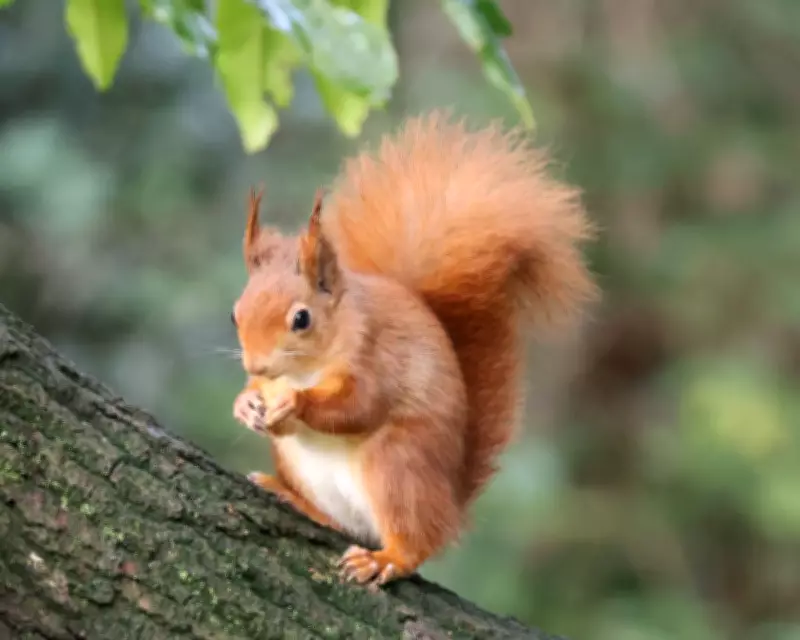
In a striking revelation from environmental circles, conservationists are raising alarms over a significant oversight in UK wildlife protection strategies. While efforts to safeguard the iconic red squirrel have gained momentum, the habitats essential for their survival are receiving inadequate attention, creating a precarious situation for this beloved species.
A Focus on Species, Not Ecosystems
Recent reports indicate that UK conservation policies heavily emphasize direct species protection, such as monitoring red squirrel populations and controlling invasive grey squirrels. However, this approach often neglects the broader ecological context. Habitat degradation, driven by urban expansion, deforestation, and climate change, poses a silent threat that could undermine conservation gains. Experts argue that without secure and healthy environments, even robust protection measures for red squirrels may prove futile in the long run.
The Critical Role of Habitat in Survival
Red squirrels rely on specific woodland habitats, particularly coniferous and mixed forests, for food, shelter, and breeding. These ecosystems are under increasing pressure from human activities and environmental shifts. For instance, fragmented forests reduce genetic diversity and increase vulnerability to diseases. Conservationists point out that current policies lack comprehensive habitat restoration initiatives, leaving red squirrels exposed to habitat loss that could lead to population declines.

Policy Gaps and Conservation Challenges
The UK's environmental framework includes protections for certain habitats, but critics note that these are often insufficient or poorly enforced. Key issues include:
- Inadequate funding for habitat conservation projects compared to species-specific programs.
- Limited legal safeguards for woodland areas that are not designated as protected sites.
- A lack of integrated planning that connects species protection with habitat management.
This disconnect highlights a broader trend in conservation, where charismatic species like red squirrels capture public and political attention, while their less visible habitats are overlooked.
Moving Towards Holistic Conservation
To address this gap, environmental advocates are calling for a shift towards ecosystem-based approaches. This involves:
- Strengthening habitat protection laws to cover more woodland areas.
- Increasing investment in habitat restoration and connectivity projects.
- Enhancing public awareness about the importance of habitats in wildlife conservation.
By prioritizing both red squirrels and their habitats, the UK can develop more resilient conservation strategies that ensure the species' survival for generations to come. The current imbalance serves as a cautionary tale for biodiversity efforts worldwide.