Rathlin Island Declared Ferret-Free After £4.5 Million Conservation Effort
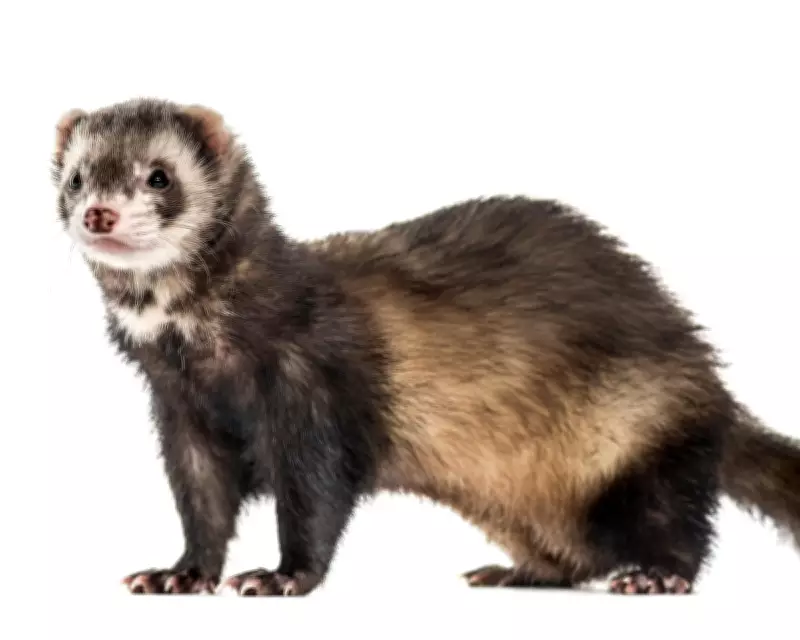
In a groundbreaking conservation achievement, Rathlin Island off Northern Ireland's Antrim coast has been officially declared free of invasive feral ferrets following an intensive five-year partnership project costing £4.5 million. This marks the first successful eradication of predatory ferrets from any island worldwide, providing crucial protection for Northern Ireland's largest seabird colony.
The Ferret Invasion and Its Devastating Impact
The invasive mustelids were originally introduced to the picturesque island during the 1980s in a misguided attempt to control the wild rabbit population. Despite claims that only male ferrets were released, females were among them, leading to rapid breeding and establishment of a destructive population that eventually exceeded 100 animals.
The consequences were catastrophic for local wildlife:

- Ferrets decimated populations of rare and declining burrow-nesting and ground-nesting birds
- They preyed on Irish hares and islanders' domestic chickens
- In 2017, a single ferret killed 26 puffins over just two days after infiltrating the island's puffin colony
Rathlin Island serves as a critical habitat for numerous endangered species, including corncrakes, peregrine falcons, choughs, and more than 250,000 seabirds such as puffins, razorbills, guillemots, and Manx shearwaters.
The Life Raft Project: A Comprehensive Eradication Strategy
The Life Raft (Rathlin Acting for Tomorrow) project, funded by multiple organizations including EU Life, the National Lottery Heritage Fund, and Northern Ireland's Department of Agriculture, Environment and Rural Affairs, implemented a sophisticated multi-faceted approach to ferret eradication.
The comprehensive strategy included:
- A network of 110 surveillance cameras deployed across the island
- Thermal drone technology to detect animal movements
- Woody, a specially trained red Labrador who sniffed out ferret latrines and scent markers
- Humane live traps equipped with alert systems to notify trained staff immediately upon capture
- Swift, humane dispatch of captured animals to minimize suffering
Immediate Conservation Benefits and Future Protection
The successful eradication has already yielded remarkable results. By last summer, Rathlin Island recorded six calling male corncrakes—a species that no longer breeds anywhere else in Northern Ireland. Additionally, burrow-dwelling Manx shearwaters bred on the island for the first time in four decades.
Erin McKeown, Life Raft programme manager for RSPB NI, expressed enthusiasm about the achievement: "It's brilliant to be ferret-free. These islands are the last real safeguarded site for seabirds. Being able to create an environment where they can breed and raise their young safely is going to be a life-line for many species."
However, maintaining this success requires ongoing vigilance. The island receives regular ferry traffic bringing visitors and supplies to its approximately 150 human residents. To prevent reinfestation, the project has implemented:
- AI-powered monitoring cameras at Rathlin's harbor
- Biosecurity checks by volunteers at both Rathlin and Ballycastle ports
- Continued community education about invasive species risks
Broader Conservation Context and Ongoing Efforts
Invasive predators represent one of the most significant threats to global biodiversity, particularly on islands where native species have evolved without such pressures. The Rathlin success follows similar achievements elsewhere, including the 2018 eradication of rats and mice from South Georgia—the world's largest invasive species removal project.
Tom McDonnell of the Rathlin Development & Community Association emphasized the community benefits: "Lots of people like ferrets but they are a non-native species here and the situation was getting worse. It's going to make a massive difference, especially to the wildlife—the seabird colony will hopefully come back to what it was like twenty years ago."

The conservation work continues on Rathlin with an ongoing program to remove invasive brown rats, which arrived via ships in the 1800s and similarly threaten seabirds and ground-nesting species. No rats have been spotted since last summer, indicating promising progress.
Similar eradication programs across the British Isles have demonstrated substantial benefits. Seabird populations tripled on Lundy in the Bristol Channel following rat removal, while the Shiant Islands experienced significant breeding bird recovery after eradicating endangered black rats.
Joanne Sherwood, director of RSPB NI, celebrated the achievement: "This is an extraordinary moment for Rathlin, for Northern Ireland, and for conservation globally. The successful, world-first eradication of ferrets means that puffins and other seabirds can now nest and raise their young more safely on Rathlin for the first time in generations."
Michael Rafferty, Life Raft eradication manager, highlighted the collaborative nature of the success: "This is a brilliant red letter day for Rathlin Island, and for the community who have been amazing to work with on the eradication programme with a field of dedicated experts since 2021. Collectively, they have created a safe haven so that the puffins and other seabirds can now nest safely on Rathlin without any threat from ferrets."