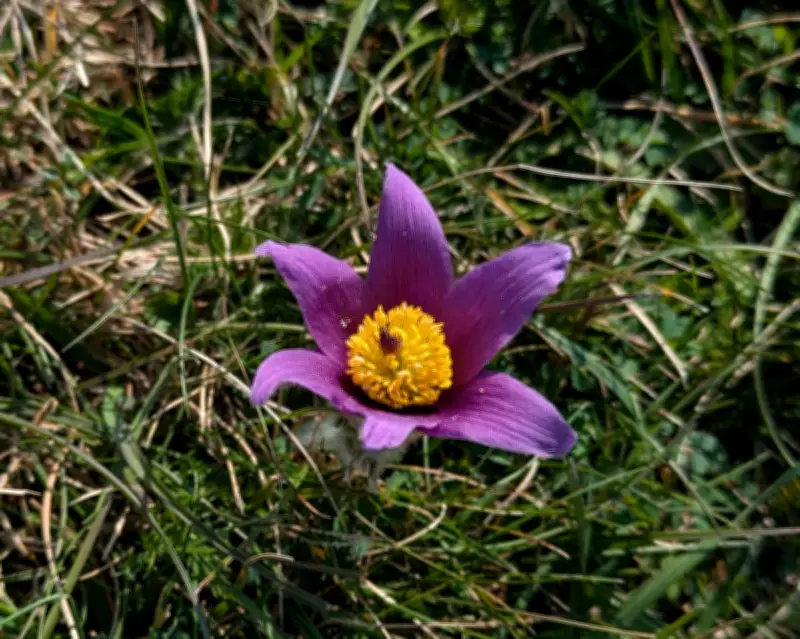
The Easter Miracle of the Rare Pasqueflower's Resurgence
In a heartening turn of events this Easter season, the rare pasqueflower, a protected and endangered species in the United Kingdom, has experienced a significant and unexpected rise in its population. This botanical phenomenon, often referred to as an "Easter miracle" by conservationists and nature enthusiasts, marks a pivotal moment in ongoing efforts to preserve biodiversity and combat environmental degradation. The pasqueflower, scientifically known as Pulsatilla vulgaris, is a delicate perennial herb with distinctive purple blooms that typically emerge in early spring, making its appearance around Easter time particularly symbolic and timely.
A Symbol of Hope Amidst Ecological Challenges
The resurgence of the pasqueflower serves as a powerful symbol of hope and resilience in the face of mounting ecological challenges. Historically, this rare plant has faced severe threats from habitat loss, agricultural intensification, and climate change, leading to a dramatic decline in its numbers across the UK. However, recent conservation initiatives, including habitat restoration projects and protective legislation, have created favorable conditions for its recovery. Experts attribute this Easter-time bloom to a combination of favorable weather patterns, reduced human interference in key habitats, and the success of targeted conservation strategies that prioritize native flora.
The pasqueflower's rise is not merely a botanical curiosity but a testament to the effectiveness of concerted environmental action. Its purple flowers, which can now be spotted in select meadows and grasslands, are drawing attention from botanists, ecologists, and the public alike, sparking renewed interest in plant conservation. This event underscores the importance of preserving natural habitats and highlights how even small, focused efforts can yield significant results for rare species.

Implications for Biodiversity and Future Conservation Efforts
The unexpected increase in pasqueflower populations has broader implications for biodiversity and environmental policy in the UK. As a keystone species in certain ecosystems, its recovery can positively impact other flora and fauna, promoting a healthier and more balanced natural environment. This Easter miracle serves as a compelling case study for conservationists, demonstrating that with proper management and public awareness, it is possible to reverse the decline of endangered species.
Looking ahead, the pasqueflower's story offers valuable lessons for future conservation projects. It emphasizes the need for ongoing monitoring, adaptive management strategies, and community engagement to sustain such successes. Moreover, this event aligns with global efforts to protect biodiversity, as outlined in international agreements and local environmental campaigns. By celebrating this rare flower's Easter emergence, we are reminded of the interconnectedness of all life and the critical role that each species plays in our planet's health.
In conclusion, the rise of the rare pasqueflower this Easter is more than just a seasonal wonder; it is a beacon of hope for conservationists and a call to action for all who care about our natural world. As we witness this miraculous bloom, let it inspire continued dedication to protecting and nurturing the biodiversity that enriches our lives and sustains our environment for generations to come.