A Sanctuary of Life
In the heart of the countryside, a well-managed churchyard reveals itself as an unexpected haven for biodiversity. Far from being a mere resting place for the departed, these sacred grounds pulse with quiet vitality, hosting a rich tapestry of flora and fauna. The careful stewardship of such spaces, often overlooked, plays a crucial role in local conservation efforts.
Wildflowers and Grasses
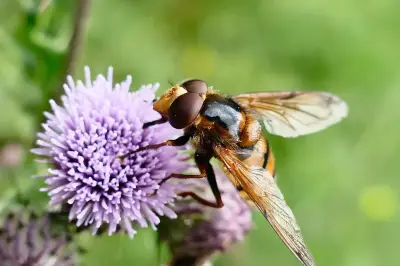
The churchyard's grasslands, mown only once or twice a year, burst into a mosaic of wildflowers. Cowslips, lady's bedstraw, and common knapweed create a patchwork of yellows, creams, and purples. These native species provide essential nectar for pollinators like bees and butterflies. The longer grass offers shelter for small mammals and insects, fostering a micro-ecosystem that thrives in the absence of intensive management.
Wildlife Haven
Birds such as goldfinches and yellowhammers flock to the churchyard, feeding on seed heads and insects. The stone walls and old yew trees offer nesting sites, while the quiet atmosphere allows for undisturbed breeding. Foxes and hedgehogs may be spotted at dawn or dusk, navigating the gravestones with ease. This delicate balance between human remembrance and natural growth creates a unique habitat.

Conservation in Action
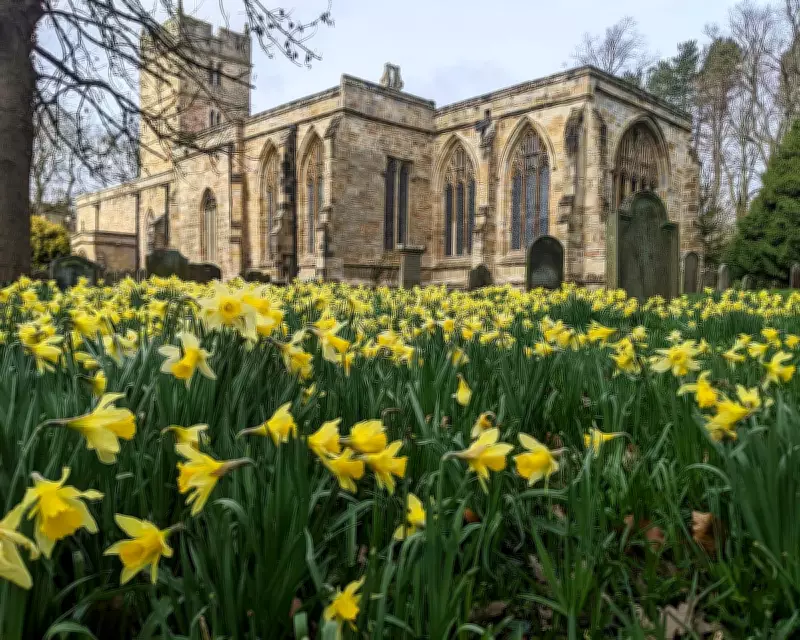
Volunteers and local groups often manage these churchyards, balancing the need for access with ecological sensitivity. They leave patches of uncut grass, plant native bulbs, and install insect hotels. Such efforts are vital as traditional meadows decline. The churchyard becomes a living laboratory, demonstrating how small-scale conservation can yield significant benefits for biodiversity.
A Place for Reflection
Beyond its ecological value, the churchyard offers a space for quiet contemplation. The gentle hum of bees and the rustle of leaves provide a soundtrack for reflection. Visitors can witness the cycle of life and death, not only through the graves but through the vibrant life that surrounds them. This connection to nature enriches the human experience, reminding us of the intricate web of life that persists even in the most unexpected places.