London's Queen Elizabeth Garden: A Biodiverse Oasis in Regent's Park
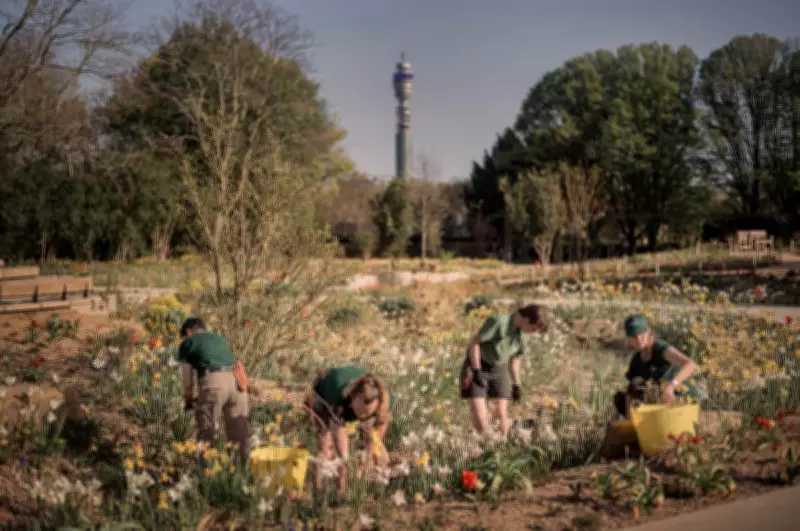
The Royal Parks has unveiled the Queen Elizabeth II garden, a groundbreaking biodiverse and climate-resilient space located in London's iconic Regent's Park. This £5 million project transforms a former horticultural nursery into a thriving 8,000 square meter paradise for flora and fauna, set to open to the public on April 27, 2026. Designed as a tribute to the late queen, the garden is already teeming with wildlife, including hedgehogs, newts, bees, and a playful fox, marking a significant step in urban conservation efforts.
Wildlife Thrives in Newly Created Habitats
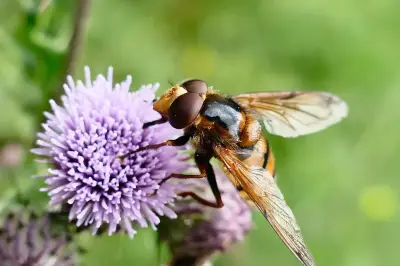
Before its official opening, the garden has welcomed an array of early visitors, such as a hairy-footed flower bee, a breeding pair of geese, dragonfly nymphs, grey wagtails, a prickle of hedgehogs, an armada of newts, spring butterflies, and a notably cheeky fox that frequents the area. Matthew Halsall, the manager and landscape architect behind the project, notes that these species have quickly adapted to the diverse habitats, which include over 40 new trees, 2,000 square meters of wildflower meadow, and 5,000 square meters of climate-resilient plants. The redesign is projected to achieve an impressive 184% net gain in biodiversity, making it a critical haven for central London's last breeding population of hedgehogs.
Innovative Design for Climate Resilience and Engagement
The garden features a micro-mosaic of interconnected habitats, from formal landscapes to wildflower meadows, encouraging public interaction with nature. A large ornamental pond with naturally filtered water supports aquatic life, while a repurposed water storage tower offers panoramic views and includes nesting boxes for swifts and bats. To attract swifts, loudspeakers will emit bird calls, and the tower's ironwork is adorned with symbols from Queen Elizabeth II's coronation gown. Additionally, interconnected swales manage rainwater flow, reducing irrigation needs and creating dynamic wet-dry environments suited to specialized plants.

Conservation Challenges and Solutions
One of the key challenges was preserving existing wildlife, such as broad-nosed weevils and rare spiders found on the site. The design incorporates loose gravel surfaces to protect these species, while non-native, climate-resilient trees like Mediterranean stone pine are planted alongside native species threatened by global heating. Elms resistant to Dutch elm disease have been introduced to support moths and butterflies. The Royal Parks' biodiversity team, funded partly by the People's Postcode Lottery, oversees these efforts, with volunteers planting thousands of saplings and plugs, like blackthorn for brown hairstreak butterflies and sphagnum moss in Richmond Park, to prevent species loss.
Broader Impact on London's Biodiversity
Charlotte Cass, biodiversity manager for the Royal Parks, emphasizes the garden's role in connecting green spaces across London, helping to prevent isolated populations like the hedgehogs in Regent's Park. With eight bat species, including near-threatened pipistrelles, the parks are implementing bat boxes and habitat enhancements to support urban wildlife. This project underscores the Royal Parks' commitment to protecting over 5,000 acres of green space, offering a resilient model for urban biodiversity in the face of environmental challenges.