NSW Water Agency Faces Backlash Over 'Appalling' Decision to Cut Wetland Flows
The New South Wales water minister has stated that the government is actively working on 'pathways to reinstate those deliveries while managing liability as soon as possible.' This announcement comes in response to a growing crisis in the Gwydir region, where dried-up wetlands have led to the tragic death of hundreds of turtles and other wildlife. The situation has sparked outrage among scientists and environmentalists, who are condemning what they describe as a 'classic bureaucratic tangle' with devastating consequences.
Catastrophic Impact on Wildlife and Ecosystems
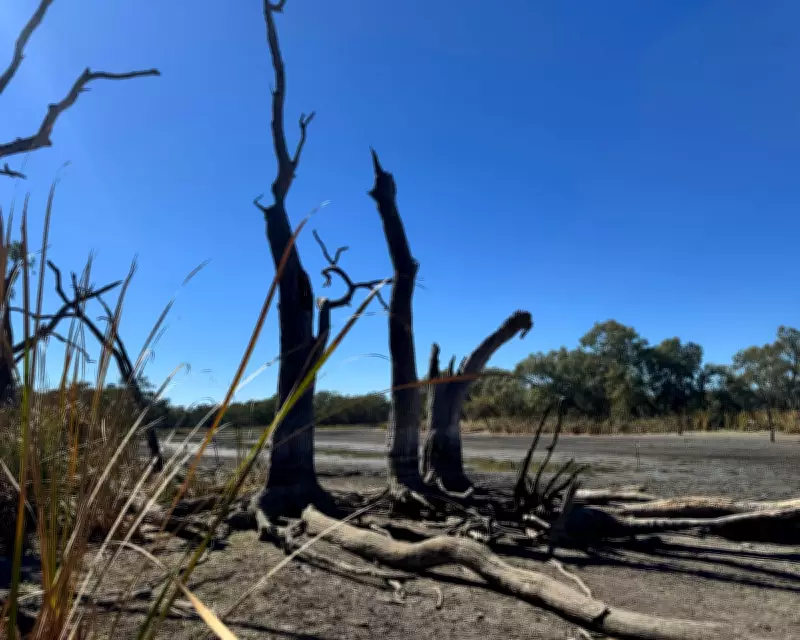
Guardian Australia reported over the weekend that turtles, waterbirds, frogs, and sheep perished after Water NSW abruptly halted flows to the Gwydir wetlands region near Moree in March. Environmental flows, which are water releases from dams and tributaries intended to restore river and ecosystem health, were stopped, leading to a dire situation. Researchers from the University of New England were forced to dig broad-shelled turtles out of thigh-deep mud after the Gingham watercourse, which supports four Ramsar-listed sites, completely dried up.
Professor Richard Kingsford, a prominent river ecologist and conservation biologist at the University of New South Wales, labeled the decision to withhold these flows as 'appalling.' He emphasized, 'We have a catastrophe unfolding here. There's a solution to fix it, agreed upon by federal and state governments: environmental flows are for the environment. Yet, a landholder is preventing the water that could save these turtles from reaching the river.'

Rescue Efforts and Ongoing Challenges
In response to the crisis, thirty-nine turtles are currently being housed at Taronga Western Plains Zoo in Dubbo. However, the water that could potentially save them remains held in Copeton dam, following concerns raised by a landholder about the inundation of private property. NSW Water Minister Rose Jackson has assured that the government is working urgently to relocate as many turtles as possible and plans to return them to the Gingham watercourse once it is refilled.
Professor Deb Bower, who has conducted population studies in the area for several years, noted that in addition to the turtles requiring rescue, there is evidence suggesting some eastern long-necked turtles have ventured off in search of water elsewhere. She confirmed that some broad-shelled and eastern long-necked turtles have already died, highlighting the severity of the situation.
Broader Environmental and Cultural Implications
The impact extends beyond wildlife, affecting local communities and cultural heritage. Grazier Jonathon Guyer reported that the sudden cessation of flows caused native birds to abandon their nests and fledglings, led to frog deaths, and impacted other species like the endangered grey snake. Polly Cutmore, a Kamilaroi traditional owner, expressed heartbreak over the devastation, stating that wetlands are meant to be 'protective places' for animals and that the actions are 'disrespectful' to Indigenous connections to the land.
Bradley Moggridge, a Kamilaroi water scientist at the University of Technology Sydney, added, 'If water isn't reaching culturally significant waterholes, Kamilaroi people cannot maintain their cultural connection and care for that country.' This underscores the multifaceted consequences of the water agency's decision, intertwining environmental, social, and cultural dimensions.
Government Response and Future Pathways
Minister Jackson reiterated the government's commitment to finding solutions, emphasizing efforts to manage liability while reinstating water deliveries. However, questions remain about the circumstances that led to the initial decision to stop the flows, including any advice related to private land inundation. Guardian Australia has sought further information from the government, but details are still emerging.

As the crisis continues, scientists and advocates are calling for immediate action to prevent further loss. The Gingham watercourse is home to three turtle species—the broad-shelled turtle, the Murray River turtle, and the eastern long-necked turtle—all of which are now at risk. The situation serves as a stark reminder of the delicate balance between water management, environmental protection, and human interests, urging a reevaluation of policies to avoid future catastrophes.