Network Rail Faces Backlash Over Blocked Swift Nests in Derbyshire Viaduct
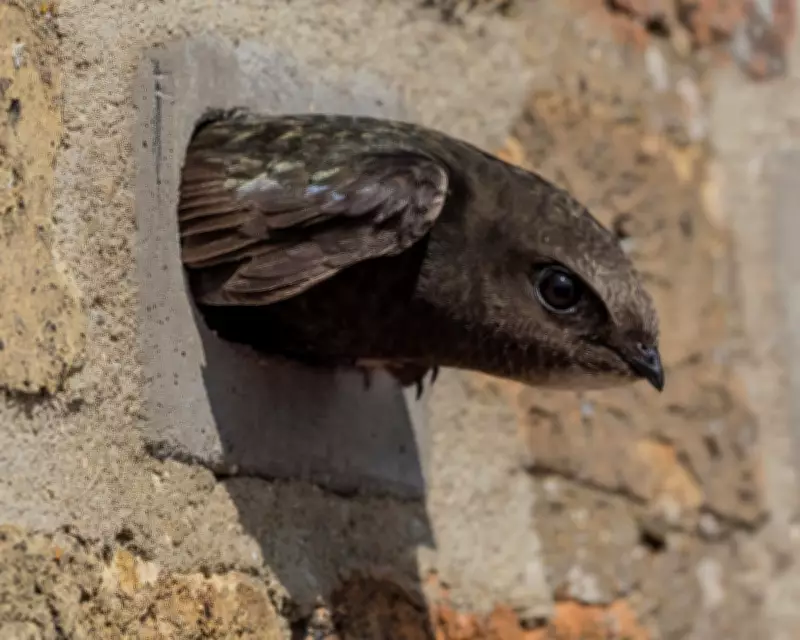
In a controversial move, Network Rail has come under fire for sealing nesting holes used by swifts during a £7.5 million refurbishment of a historic railway viaduct in Chapel Milton, Derbyshire. Campaigners warn that this action could have fatal consequences for the birds, which are returning to Britain to breed this spring.
Heartbreaking Impact on Swift Population
Deb Pitman, a swift campaigner, described the situation as "utterly heartbreaking." She explained, "Seeing footage of what happens when swifts return to a blocked nest is deeply upsetting. They repeatedly try to access their entry point, sometimes with fatal consequences." Established breeding pairs are believed to be unable to relocate successfully, meaning the loss of a nest site effectively halts their breeding efforts.
This incident occurs against a backdrop of a severe decline in Britain's swift population, which has plummeted by 66% between 1995 and 2022. The primary cause is the widespread loss of nesting holes in older buildings, making the preservation of existing sites critical for conservation efforts.
Disputed Ecological Findings and Campaigner Evidence
Network Rail initiated the refurbishment of the 160-year-old viaducts last summer, coinciding with the swift nesting season. An ecological report commissioned by the company found no evidence of nesting swifts, but this claim was strongly contested by local swift watchers.
Jason Adshead from the Chapel-en-le-Frith Biodiversity Group stated, "We spent a great deal of time monitoring the work at the viaduct last year and we have evidence showing where the nest sites are. It's information we shared with Network Rail." Campaigners assembled 38 pieces of evidence indicating at least nine nest sites on the viaducts, though only three holes were reportedly blocked with mortar in February.
Network Rail's Response and Ongoing Investigations
A Network Rail spokesperson defended the actions, saying, "During essential refurbishment work on the viaduct at Chapel Milton last year, our teams identified potential swift nests. We consulted ecologists and created exclusion zones to ensure adequate protection for the nesting swifts. The essential repairs to the masonry were then completed after the bird nesting season." The company has expressed willingness to collaborate with local groups to enhance the habitat, including installing additional nest boxes.
However, campaigners argue that preserving the tiny swift holes would not compromise the structural integrity of the viaduct. The British Transport Police's wildlife crime team is investigating whether nesting birds were disturbed during the work, following reports from campaigners last summer.
Broader Conservation Efforts and Political Context
This local dispute reflects larger national issues in swift conservation. A campaign to mandate the inclusion of "swift bricks" in all new homes has succeeded in Scotland but was rejected by the Labour government in Westminster. Pitman lamented, "Swifts have been successfully breeding since around the time of the dinosaurs and yet we can't afford them a tiny space. I refuse to accept it."
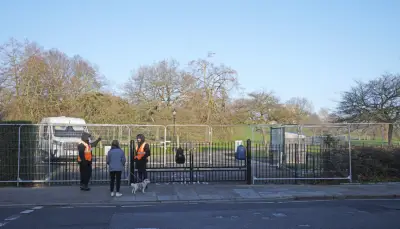
Bird lovers planned a vigil beneath the viaduct, hoping the holes would be unblocked before the swifts return in late April. As these migratory birds face mounting threats, the outcome in Derbyshire could set a precedent for how infrastructure projects balance development with wildlife protection in the future.