Moth-Watching May Protect Brain Health, New Research Suggests
Forget birdwatching—moth-watching could be the next frontier in brain-boosting activities. According to emerging scientific research, the intricate practice of distinguishing between moth species may offer significant protection against age-related cognitive decline, much like its avian counterpart.
The Brain Benefits of Species Identification
A recent study on birdwatching, led by researcher Erik Wing, discovered that becoming an expert birder causes measurable changes in brain structure and function. When experienced birders differentiate between challenging species, they demonstrate increased activity in brain regions associated with visual processing, attention, and working memory. These same areas appear more compact in experts, with smaller age-related changes compared to novices.
The clear implication is that learning to distinguish a chiffchaff from a willow warbler helps maintain mental sharpness during aging. But what about telling a common quaker from a clouded drab? Or a brown-line bright-eye from a bright-line brown eye? These are not birds but moths—and they present an even greater identification challenge.

The Complex World of UK Moths
The United Kingdom hosts approximately 2,500 moth species, divided into two primary categories: 900 larger "macro" moths and 1,600 smaller "micro" moths. This diversity far surpasses the country's 636 bird species, making moth identification a particularly demanding cognitive exercise.
At the peak of summer, moth traps can contain hundreds of individuals from dozens of species. Some species differ only through minute details like forewing curvature or antenna architecture. Adding to the complexity, members of the same species sometimes display significant variation in wing coloration or even complete wing absence.
The Victorian naturalists who named many moth species acknowledged these identification challenges with humorous names like "the confused" and "the uncertain."
Beyond Stereotypes: The True Nature of Moths
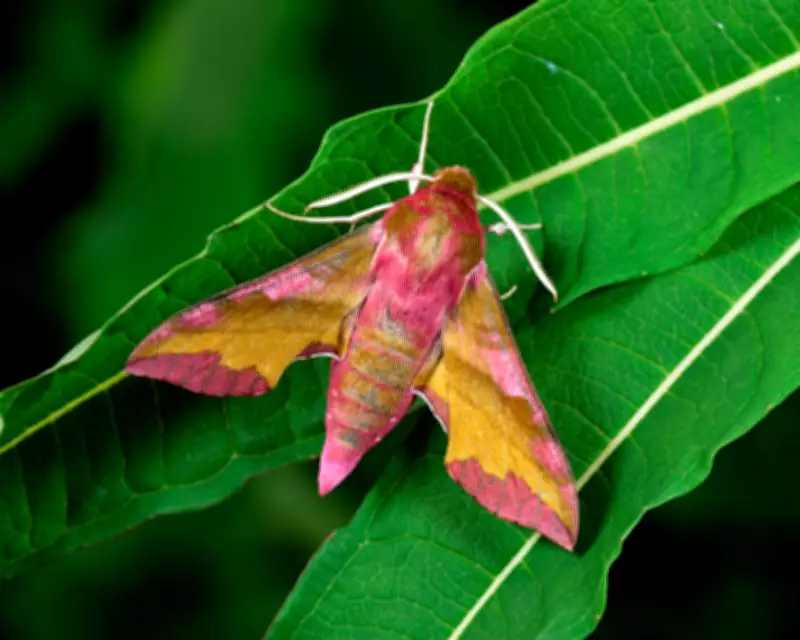
Contrary to popular misconceptions, moths are not merely drab, nocturnal pests that damage clothing. Some species, like the elephant hawk moth, display colors so vibrant they rival Elton John's most flamboyant stage outfits. The UK actually hosts more day-flying moth species than butterfly species, and only two moth larvae species nibble on natural fibers like wool and cashmere—and even these cannot consume an entire sock.
Moths play crucial ecological roles as pollinators, food sources for wildlife, and contributors to nutrient cycling. They also serve as important indicators of environmental health.
Concerning Population Trends
The Garden Moth Scheme, a national citizen science project running since 2008, has collected data from over 1,000 recorders. Their findings reveal troubling trends: approximately half of garden moth species are declining in abundance, signaling broader ecological imbalances.
Personal and Cognitive Rewards
Moth enthusiasts appreciate these insects for their ecological importance, subtle beauty, and the mindfulness they inspire during observation. The identification challenge itself provides mental stimulation, with species like the Chinese character moth (resembling bird droppings), tiger moths (which emit ultrasonic clicks to jam bat sonar), and death's head hawkmoths (which mimic bee scents to raid hives) offering endless surprises.
While not yet expert "moth-ers," dedicated observers gradually expand their identification skills each year, reacquainting themselves with regular garden visitors while deciphering new species. Extrapolating from birdwatching research, this practice likely represents time well invested in brain health maintenance.
Every correctly identified footman, rustic, or carpet moth not only contributes to scientific understanding but potentially supports cognitive vitality—providing moth enthusiasts with yet another reason to appreciate these fascinating, misunderstood insects.