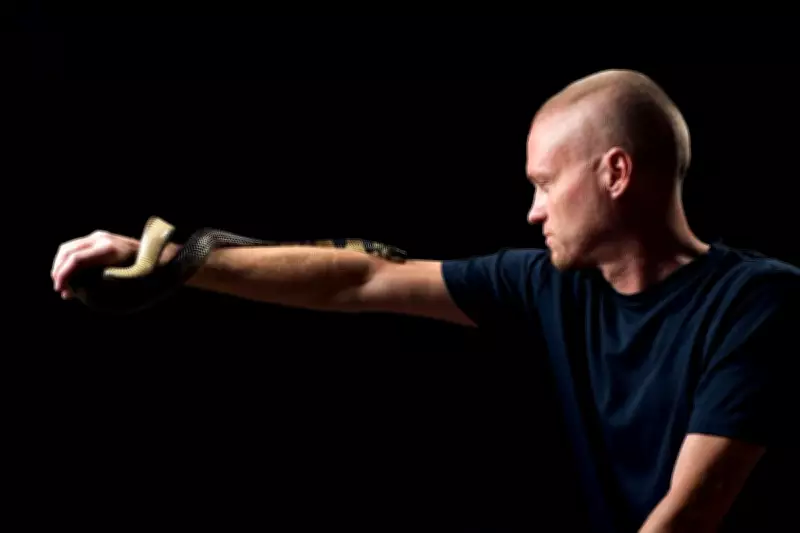
Wisconsin Man's 200 Snakebites Aim to Save Lives with Universal Antivenom
Tim Friede, a 58-year-old window cleaner from Wisconsin, has subjected himself to over 200 intentional snakebites over nearly two decades in a daring quest to develop a universal antivenom. His extraordinary efforts, conducted in his basement with no formal scientific training, have brought him close to death multiple times but are now poised to help avert thousands of snakebite fatalities worldwide.
A Dangerous Mission Driven by Compassion
Friede's journey began in 2001, fueled by frustration over the high number of snakebite deaths, particularly in developing countries. "I understood it was dangerous, but people are dying from snakebites, and I was pissed at that," he explained. "I put my ass on the line, and I'm glad I did." His sacrifices include surviving a coma, nearly losing a leg and fingers, and enduring severe pain, all to build immunity to some of the world's most venomous snakes.
Climate Crisis Escalates Snakebite Risks
As the climate crisis intensifies, snakebite incidents are projected to rise. Hotter weather alters snake and human behaviors, increasing unwanted encounters. Studies indicate that snakebites currently cause approximately 138,000 deaths and 400,000 disfigurements or disabilities annually, with most victims in poorer regions of Asia and Africa. In total, up to 5.5 million people are bitten by snakes each year globally.
Breakthrough with Centivax
Friede's immunity has led to a collaboration with Centivax, a California vaccine company. Researchers have found that his antibodies can neutralize toxins from 19 snake species in the elapid family, which includes cobras, mambas, and taipans. A trial of this broad antivenom is scheduled for pets in Australia this year, with potential human use to follow. "I wanted to make sure this all wasn't in vain," Friede said, emphasizing his goal to aid humanity's most vulnerable.
Near-Fatal Encounters and Resilience
Friede's experiment nearly ended in disaster early on. In 2001, he was bitten by two highly venomous cobras in quick succession, slipping into a coma for days. "If my neighbor wasn't there to call 911, I would've been dead within 15 minutes," he recalled. Despite this and subsequent severe injuries, including anaphylactic shock and muscle disintegration, he persisted, driven by a commitment to those who have died from snakebites.
From Amateur Scientist to Global Hope
Working various jobs while maintaining a collection of about 60 snakes, Friede developed his immunity through a mix of venom injections and actual bites. His breakthrough included becoming immune to the inland taipan, one of the deadliest snakes. In 2019, Centivax hired him to isolate his antibodies for antivenom development, marking a turning point in his two-decade endeavor.
Urgent Need for Solutions
The climate crisis and human expansion into snake habitats underscore the urgency for effective antivenom. However, challenges remain, including insufficient manufacturing and funding cuts in international aid. Friede's work highlights a critical step toward protecting at-risk populations, emphasizing that snakes, with their 100-million-year evolutionary history, are not to blame but require coexistence strategies.
Reflecting on his journey, Friede expressed awe for these creatures, "They are such marvelous creatures. Sometimes I would go down into the basement with a bottle of wine and a joint, sit down in front of them, and look at them. I did that for hours." His story stands as a testament to human ingenuity and compassion in the face of a growing global health threat.