Unlikely Landscape: Cattle Return to Merseyside's Coastal Wilderness
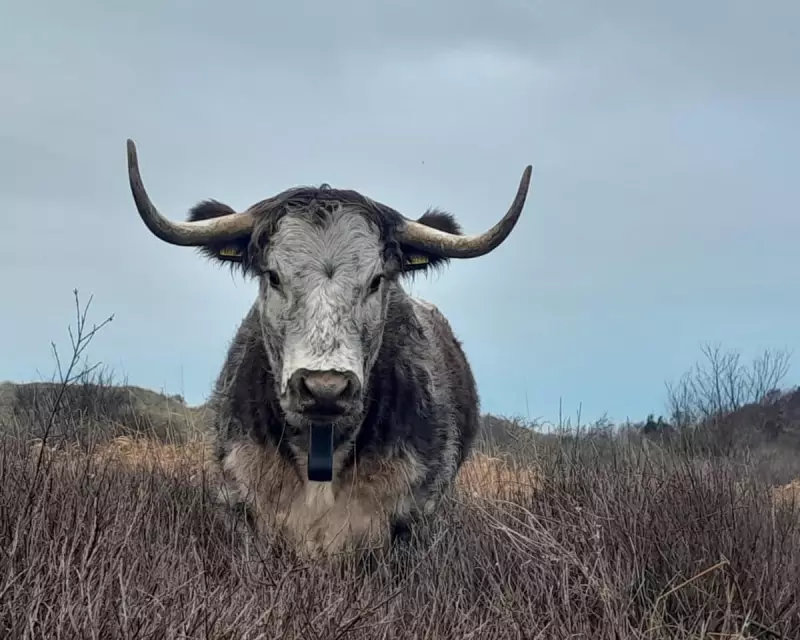
A remarkable sight greets visitors to the Ainsdale and Birkdale Sandhills nature reserve in Sefton, Merseyside this season. A group of English Longhorn cattle, recently arrived and huddled at their enclosure's entrance, are settling into their unusual winter home amidst the sweeping sand dunes. These broad-backed ruminants, having endured recent wind and rain, appear contemplative about their new surroundings where they're expected to remain until approximately April.
Innovative Conservation Strategy
This isn't merely picturesque farming but a carefully managed conservation grazing initiative operated by Sefton Council's Green Sefton service. The programme spans more than 228 hectares across two winter-grazing enclosures within the protected coastal landscape. The cattle themselves are on loan from the Lancashire Wildlife Trust, brought specifically to help manage the sensitive sand dune grassland and dune slack habitats.
Around the reserve, laminated notices explain the cattle's presence while QR codes provide real-time location data thanks to GPS trackers fitted to the animals' collars. This forms part of the innovative Nofence technology system that allows rangers to remotely guide the cattle around the vast enclosures, directing them to areas where vegetation needs controlling.
Ecological Benefits and Winter Preparations
The conservation impact is significant. As the longhorns roam, their grazing and movement disturb the ground, creating open sand habitats crucial for native species. This process helps control and prevent the spread of non-native plants while forging space for indigenous flora including marsh and dune helleborines, early marsh orchid and grass of Parnassus.
During other seasons, herpetologists frequently encounter protected species like sand lizards, great-crested newts and natterjack toads in these same dunes. Meanwhile, the current landscape shows preparations for winter, with hawthorn and rowan berries and wild rosehips providing essential food sources for wildlife.
Visitors might spot the magnificent beasts - some hornless, all impressive - moving through terrain dotted with clover flowers, hawkweed and harebells. The presence of wintering snipe and buzzards overhead completes this unexpected ecosystem where cattle conservation and native wildlife protection work in tandem. The longhorns have already begun their exploration, sometimes vanishing into the dune system's hollows as they commence their vital environmental work.