
On the rugged Cornish coastline near Hayle, a dramatic survival story unfolds as winter waves crash against the weather-sculpted shore. This dramatic setting has become a gathering spot for an unexpected community - a colony of grey seals.
A Vulnerable Newcomer
From the viewing point above the cove, approximately thirty seals dot the beach like sea-smoothed pebbles, their coats creating a kaleidoscope of browns, greys and whites with individually unique patterns. Most cluster together at the cliff base, some sleeping piled upon one another, occasionally disturbing their neighbours with an accidental flipper slap.
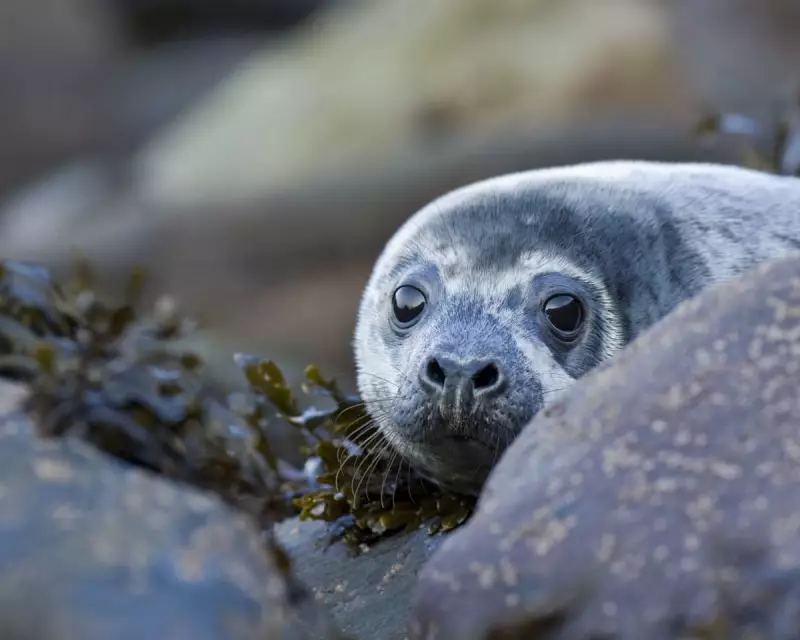
But separated from the main group lies a significantly smaller figure - a bundle of grey peach-fuzz with wide, dark eyes peering out from beneath a rocky outcrop. This grey seal pup, estimated at just four to five weeks old, represents both the resilience and vulnerability of Cornwall's marine wildlife.
The Tough Early Weeks
Grey seals, scientifically known as Halichoerus grypus or "hooked-nosed sea pig", give birth during winter months. Unlike adults, pups are born without protective blubber, instead covered in white fur called lanugo that provides warmth but isn't waterproof. For the first few weeks, seal pups cannot swim, forcing mothers to leave them on beaches while hunting, returning every few hours to feed.
The mother-pup bond is strengthened through scent and vocal recognition, ensuring they can always find each other amid the colony. But this protective period is tragically short.
Abrupt Independence
After approximately three weeks, mother seals depart permanently, leaving their pups to navigate life alone. These young seals must learn to swim and dive without instruction, hunting through trial and error in instinctive efforts complicated by strong currents and rough conditions.
The statistics reveal the harsh reality: 30% of grey seal pups don't survive their first month, and half perish before their first year ends. The threats are numerous - starvation, disease, and increasingly, marine pollution.
The observed pup has developed its adult coat but remains highly vulnerable, its mother having left just one or two weeks earlier. As the tide advances rapidly toward the cliff base, the beach sanctuary disappears, forcing the young seal into the murky depths to fend for itself in an unforgiving environment.



