London's 14-Mile 'Wildlife Corridor' to Connect Nature-Starved Communities
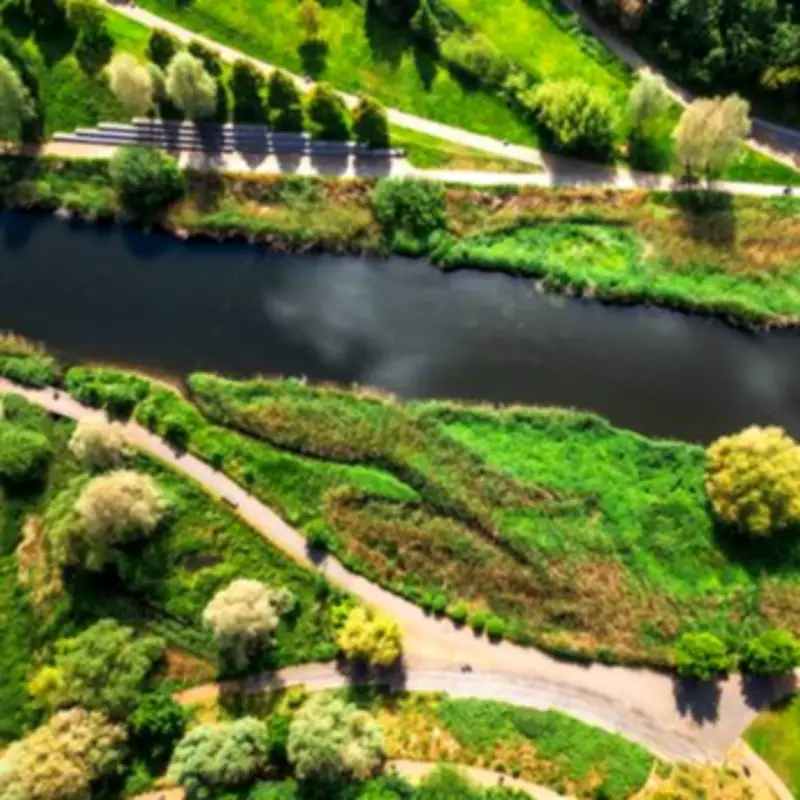
Conservationists are planning a groundbreaking "nature corridor" designed to weave through some of London's most nature-deprived neighborhoods. This ambitious 14-mile network will extend from Lee Valley Regional Park southward toward the Thames, traversing the boroughs of Tower Hamlets, Hackney, Haringey, and Newham.
Reconnecting Fragmented Ecosystems
The initiative aims to reconnect fragmented pockets of wildlife and pollinators, enabling them to move freely throughout the capital. According to environmental group Initiative Earth, community gardens, rooftops, canal banks, sports fields, and backyard streets could all form part of this interconnected urban wildlife hub.
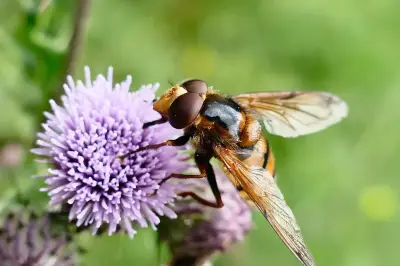
The corridor follows the "stepping stone" connectivity model developed by Buglife, which demonstrates that habitat patches no more than 300 meters apart can restore ecosystems on a landscape scale. This approach creates what organizers describe as an "insect superhighway" through previously concrete-dominated areas.

The Wild Cities Coalition
Dubbed Wild Cities, the project unites a diverse coalition of ecologists, football clubs, community growers, transport authorities, cultural institutions, and local residents. All are collaborating on conservation efforts along the 14-mile stretch, working at what organizers describe as "the scale the challenge demands."
Wanessa Rudmer, executive director of Initiative Earth, explained: "We started Wild Cities because urban nature must be restored for people, for wildlife, and for the future. A coalition model lets us work at the scale the challenge demands, celebrating communities and helping people and ecosystems become more connected and resilient."
Addressing Urban Heat and Biodiversity Loss
The initiative comes as research reveals London runs at 1C to 1.5C warmer than surrounding areas of South East England during heatwaves. Studies indicate that nature networks have the potential to reduce temperatures in urban areas by as much as 7C.
Paul Hetherington from Buglife warned: "The loss of connectivity across green spaces stands as one of the principal drivers behind the decline of Britain's pollinators. Wild Cities puts that evidence into practice in one of the country's most nature-deprived areas, showing that when communities, institutions and ecologists commit to the same vision, a corridor of life can grow where there was once only concrete."
Supporting London's Nature Recovery Strategy
The Wild Cities project directly supports the delivery of the Mayor of London's local nature recovery strategy, published last month, which pinpointed green corridors and pollinator support as key biodiversity priorities for the capital. The initiative represents a practical implementation of these policy goals.
Launch Celebration and Community Engagement
Organizers will celebrate the corridor's launch with a special one-day walk on Saturday, April 25th. The event will stretch from Walthamstow Wetlands to Victoria Park along the River Lea, tracing the route of what will eventually become the 14-mile network.
With tickets priced from £25, attendees will participate in seed sowing, plant seed offerings, visit established community growing projects along the route, and come together to share food, song, and reflection. This community-focused approach emphasizes the project's dual purpose of connecting both ecosystems and people.
Broad-Based Support and Funding
The initiative has received substantial support from multiple organizations and foundations, including:
- The National Lottery
- Bacon Foundation
- Garfield Weston Foundation
- Six Senses London
- Sky Garden by H Properties
Additionally, a coalition of more than 20 organizations is involved in the project, including Buglife, ecoActive, GrowN22 CIC, Capital Growth, SUGi, the Orchard Project, and Lee Valley Regional Authority. This broad partnership reflects the project's comprehensive approach to urban conservation.

The 14-mile wildlife corridor represents a significant step toward making London more resilient to climate change while addressing the critical need for urban biodiversity. By creating connected green spaces through some of the city's most built-up areas, the project aims to demonstrate how cities can become havens for both wildlife and people.