
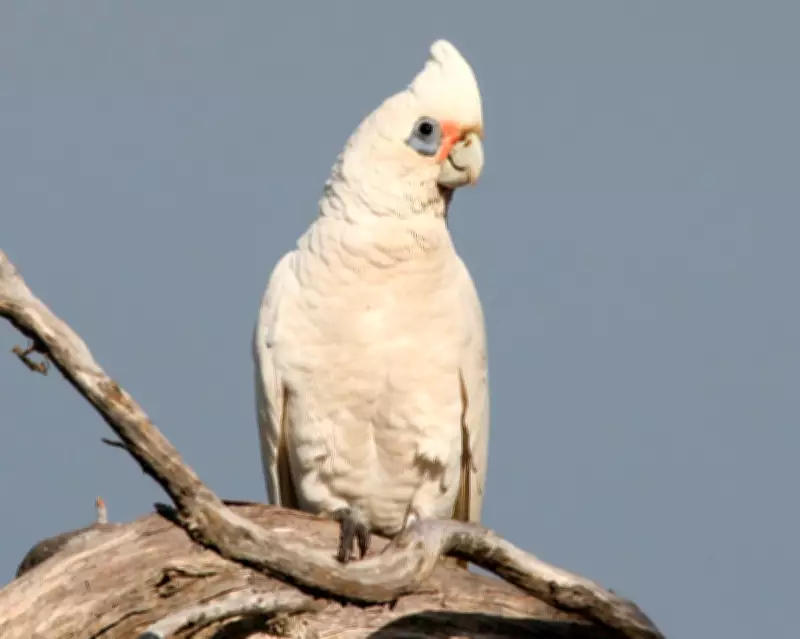
Invasive Little Corellas Terrorize Kangaroo Island with No End in Sight
Thousands of little corellas, a non-native bird species, have turned Kangaroo Island into a battleground, causing widespread destruction and distress among residents. Despite recent culling efforts that eliminated over 2,640 birds, authorities warn that the problem remains far from solved, as these intelligent creatures continue to adapt and thrive in the South Australian environment.
Ecological and Human Impacts Escalate
The little corellas, which first arrived on Kangaroo Island in the 1960s, have seen their population explode due to abundant resources like stock troughs, dams, and grain crops. Their presence has led to severe consequences: schools are coated in droppings, infrastructure is torn apart, crops are damaged, and the screeching noise causes mental health issues for locals. Will Durack, general manager of the Kangaroo Island Landscape Board, notes, "We've created the perfect environment for them. What they need is reliable water, and they love irrigated lawns, so places like schools have the perfect habitat."
Beyond the mess and noise, these birds pose serious ecological threats. They compete with endangered species like the glossy-black cockatoo, destroying eggs and nestlings in shared nesting hollows. Diseases such as ornithosis can also be transmitted from corellas to humans, adding a health risk to the list of concerns.
Failed Control Measures and New Strategies
Past attempts to manage the corella population through shooting, scaring, trapping, and gassing have largely failed, with the birds either learning to survive or simply relocating to cause havoc elsewhere. Residents have experimented with lights, noise, drones, and fireworks, but these methods often make the flocks more vigilant and difficult to handle. A recent report highlights that "none of the existing deterrent or control techniques have effectively reduced little corella populations within the state."
However, a shooting trial conducted in March showed some promise by using thermal and infrared technology to target roosting birds at night. This approach, which minimizes flock disturbance, resulted in the culling of 2,640 corellas. Durack explains, "Night-time shooting was more efficient, with the roosting birds easier to kill in large numbers, but it is not clear how much of a dent they made in the population." The board emphasizes that expanding such efforts will require coordination with other agencies and additional resources.
Community Frustration and Ongoing Struggles
Local residents, like Rodney Bell, whose grandchildren attend the affected school, express deep frustration. "They poo all over the yard, then the kids are playing in it," Bell says. "Near the school, they would drive anyone insane from the sheer noise." He recalls a warning from decades ago about shooting the initial birds to prevent future invasions, lamenting, "We should have listened to him."
The corellas' destructive habits extend beyond schools to tennis courts, electric covers, gutters, and even yachts, where they gnaw at sails. As the island grapples with this ongoing crisis, the need for a comprehensive, long-term solution becomes increasingly urgent, highlighting the challenges of managing invasive species in sensitive ecosystems.



