London's Litter-Picking Movement Blossoms into Major Environmental Action
What began as simple community litter-picking efforts across London has rapidly evolved into a powerful force for environmental change, with volunteers now spearheading ambitious projects that address plastic pollution, enhance urban green spaces, and promote sustainability on a larger scale. From local parks to riverbanks, these grassroots initiatives are demonstrating how small, collective actions can grow into significant ecological improvements, reshaping the city's approach to waste management and conservation.
From Small Clean-Ups to Large-Scale Projects
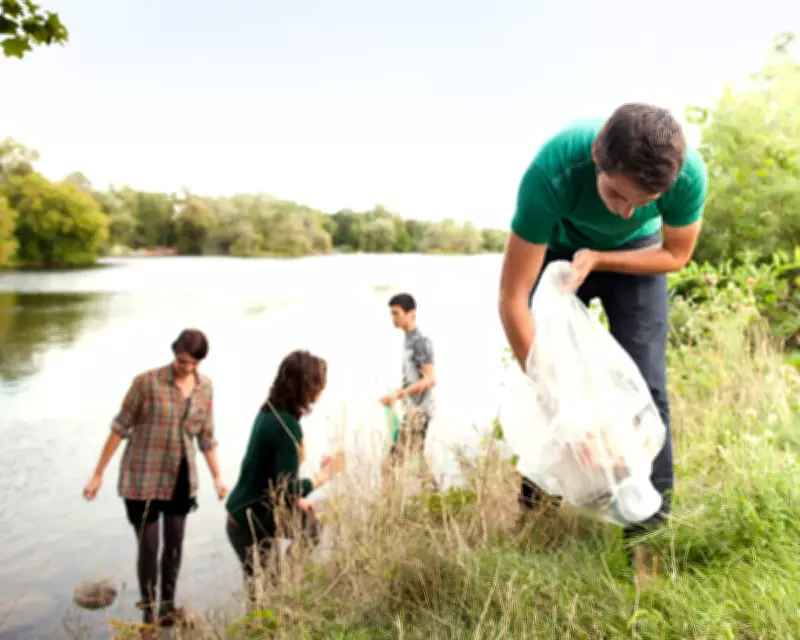
Initially focused on removing trash from streets and public areas, many litter-picking groups in London have expanded their scope to tackle more complex environmental challenges. Volunteers are now organizing river clean-ups along the Thames, installing recycling stations in neighborhoods, and launching educational campaigns to reduce single-use plastics. These efforts often start with a handful of dedicated individuals but quickly gain momentum, attracting hundreds of participants and securing support from local councils and environmental organizations.
The transformation is particularly evident in boroughs like Hackney and Camden, where litter-picking events have led to the creation of community gardens, tree-planting drives, and partnerships with schools to teach children about waste reduction. By building on the success of initial clean-ups, these projects are fostering a culture of environmental stewardship that extends beyond mere tidiness to address broader issues like climate resilience and habitat restoration.

Impact on Urban Biodiversity and Public Health
As litter-picking initiatives grow, they are making tangible contributions to London's urban ecosystem. Removing plastic and other debris from parks and waterways helps protect local wildlife, such as birds and aquatic species, from harm and pollution. Additionally, cleaner environments contribute to improved air quality and public health, reducing the risks associated with waste accumulation in densely populated areas.
Many groups are now integrating scientific monitoring into their activities, tracking the types and quantities of litter collected to identify pollution hotspots and advocate for policy changes. This data-driven approach is enabling more targeted interventions, such as lobbying for better waste infrastructure or stricter regulations on plastic packaging, thereby amplifying the impact of volunteer efforts.
Challenges and Future Directions
Despite their successes, these expanding projects face challenges, including limited funding, volunteer burnout, and the ongoing need for public engagement. However, the movement's adaptability and community focus are driving innovation, with some groups exploring partnerships with businesses, using social media to raise awareness, and applying for grants to sustain long-term initiatives.
Looking ahead, the trend suggests that litter-picking in London will continue to evolve, potentially influencing city-wide environmental strategies and inspiring similar movements in other urban centers. By demonstrating that grassroots action can lead to substantial environmental gains, these projects are redefining what it means to care for the city's natural spaces.