Labour Government Accelerates Wildlife Reintroductions to Counter Green Party Challenge
In a strategic move ahead of the May elections, the Labour government is fast-tracking the reintroduction of lost species across England, including white-tailed eagles, pine martens, and beavers. This initiative aims to stem the flow of nature-loving voters to the Green party, as polling indicates growing dissatisfaction with Labour's environmental policies.
Political Pressure Drives Nature Announcements
Environment Secretary Emma Reynolds has directed Natural England to expedite long-mooted reintroduction plans that stalled under the previous Conservative government due to opposition from landowners and MPs. Government sources confirm that Downing Street has instructed the Department for Environment, Food and Rural Affairs (Defra) to implement positive nature policies, creating what one insider described as "a flood of good nature news before the polls open."
This push comes amid criticism of Labour's environmental record. Prime Minister Keir Starmer and Chancellor Rachel Reeves have faced backlash for disparaging comments about bats, newts, spiders, and snails, along with legislation permitting development on important habitats. Nature funding for farmers has been cut, and environmental groups accuse the government of prioritizing economic growth over conservation.

Polling Reveals Voter Concerns
Recent polling conducted by More in Common UK for the Guardian reveals significant concerns among voters. The natural environment ranks as a top-three priority for 24% of Labour defectors, with 72% of these defectors believing most politicians are out of touch with their views on nature. Additionally, 49% of Labour defectors desire more access to nature and green spaces, compared to 36% of the general public.
Luke Tryl, director of More in Common UK, warned: "Labour needs to avoid becoming seen as the anti-nature party – a branding that would threaten not just plans to build more homes and create more infrastructure, but also potentially undermine support for net zero and plans to invest in renewables." He suggested that pro-nature policies on rewilding and green space access could demonstrate a win-win approach for housing and the environment.
Specific Reintroduction Efforts Underway
The reintroduction plans include:
- White-tailed eagles: Scheduled for release in Exmoor next month, these birds were hunted to extinction in England in the 18th century. The Roy Dennis Foundation, overseeing the reintroduction, reports that licenses have not yet been granted, indicating the last-minute nature of the push.
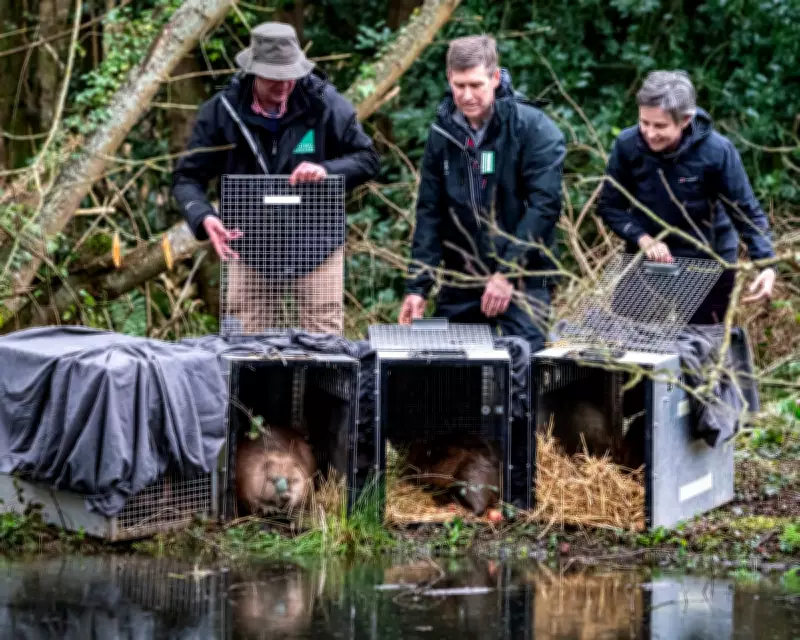
- Beavers: Earlier this month, the National Trust and Wildlife Trusts released beavers in Somerset and Cornwall with just a week's notice, after waiting a year for government approval.
- Pine martens: Set to be released on Exmoor, these predators help protect forests by preying on invasive grey squirrels. Reynolds has asked Natural England to identify additional quick-release opportunities.
Historical Opposition and Current Challenges
Previous Conservative environment secretaries faced hurdles with these reintroductions. Former MP Chris Loder opposed eagle reintroductions in West Dorset, while an attempt in Norfolk failed after local aristocrats complained about potential impacts on pheasant shooting. The current rush has surprised nature charities, who were abruptly informed of approval for beaver releases.
Political Reactions
Environment Secretary Emma Reynolds stated: "These efforts help to protect biodiversity and support a healthy natural environment. We will continue collaborating with partners to expand responsible species reintroductions and strengthen nature recovery in the years ahead."
In contrast, Green party leader Zack Polanski criticized the move: "Labour are clearly flailing. They've absolutely blown it and are haemorrhaging support to the Greens. They've shown voters where their priorities lie: giving big developers a blank cheque to bulldoze over communities and our natural world. Window dressing policies won't change the fact that time and time again this Labour government has let down everyone who cares about our natural world and our climate."

As the election approaches, these reintroductions represent a calculated effort by Labour to reclaim its environmental credentials, though skepticism remains about the government's long-term commitment to nature conservation.