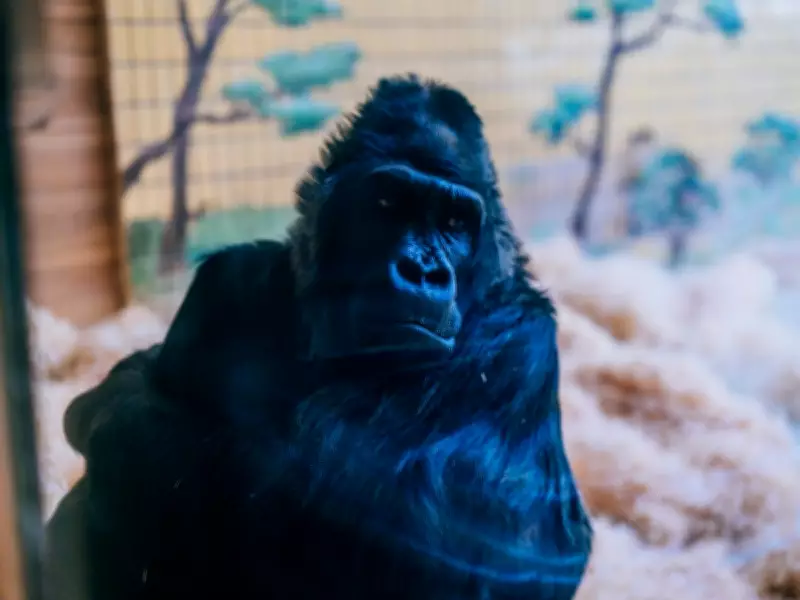
Kyiv Zoo's Star Gorilla Toni Braves War and Winter with Ingenious Heating Solutions
In the heart of Kyiv, the zoo's most celebrated resident, a 52-year-old western gorilla named Toni, lounges on his back watching nature documentaries. For twenty-five years, Toni has been Ukraine's sole gorilla and the zoo's premier attraction, captivating hundreds of thousands of visitors. Now, as one of the coldest winters in years grips the city with temperatures plunging to -22°C, keeping Toni warm has become a monumental challenge amid relentless Russian assaults on energy infrastructure.
Energy Crisis Forces Creative Survival Tactics
With daily electricity limited to just three or four hours due to widespread blackouts, Kyiv Zoo has turned to wood-burning stoves and generators to safeguard vulnerable species. A large barrel-shaped convection heater, known as a Bullerjan, pumps warm air into Toni's enclosure, maintaining a steady 17°C reminiscent of central African lowlands. Staff diligently feed logs into stoves around the clock, even during midnight shifts, to protect primates, exotic birds, and reptiles sharing Toni's building.
"War and a zoo are not compatible at all," declares Kyrylo Trantin, the zoo's director. Drawing inspiration from historical accounts of zoos in Berlin and Leningrad during World War II, Trantin explains, "We use the same techniques these zoos did. We started preparing for winter back in summer. Our team works tirelessly to ensure the war stays outside the fence."
Resilience Amidst Constant Threats
The zoo's 40-hectare grounds have transformed into a surreal winter landscape, with heavy snowfall creating Narnia-like scenes in the lion enclosure. While bison, yaks, and Bactrian camels thrive in the cold, Toni and other temperature-sensitive animals face constant peril. Nearby Lukyanivka district, frequently targeted by Russian strikes, poses direct dangers. A recent explosion shattered terrarium panels, injuring a crocodile, turtle, and muntjac deer with a broken jaw.
"Half of the zoo's glass is already gone," Trantin reveals. "It only takes three or four hours for a room to cool down. We cannot allow that to happen. We're hanging on by our teeth, ensuring employees are always nearby during shelling to prevent stressful situations for our animals."
Sustaining Life Through Community Support
European zoos have contributed 40 tonnes of dried food, while online ticket purchases from well-wishers provide crucial funding. The zoo has installed solar panels and an energy-efficient ventilation system for flamingos. Kitchen manager Olha Yanchuk prepares Toni's meals of quail eggs, chicken eggs, fresh fruit, and juice on an old-fashioned wood-burning stove during power outages. "We are used to these conditions," she states matter-of-factly.
Despite the challenges, Kyiv Zoo continues welcoming over half a million annual visitors, including children evacuated from frontline areas and Ukrainian soldiers in rehabilitation programs. "We have got used to power cuts. Ukrainians are strong people," affirms visitor Daria, standing with her son Valentyn before Toni's enclosure.
A Testament to Ukrainian Fortitude
Longtime employee Ihor Oliynyk reflects on the paradoxical beauty of the situation: "Were it not for the war, this winter would have been wonderful. It's beautiful outside with sun and blue sky." As staff maintain 24/7 vigilance with 20-40 employees constantly on duty, Kyiv Zoo stands as a powerful symbol of resilience, protecting its 3,000 inhabitants through ingenuity, determination, and unwavering commitment to conservation amidst unimaginable adversity.