Scientists Call for Human Management in Venice Lagoon to Protect Dolphins
In a significant environmental announcement, researchers have proposed that human activities in the Venice Lagoon require active management to ensure the survival and well-being of local dolphin populations. This recommendation stems from growing concerns over the impact of tourism, pollution, and other anthropogenic factors on the delicate marine ecosystem of the lagoon.
Threats to Dolphin Populations
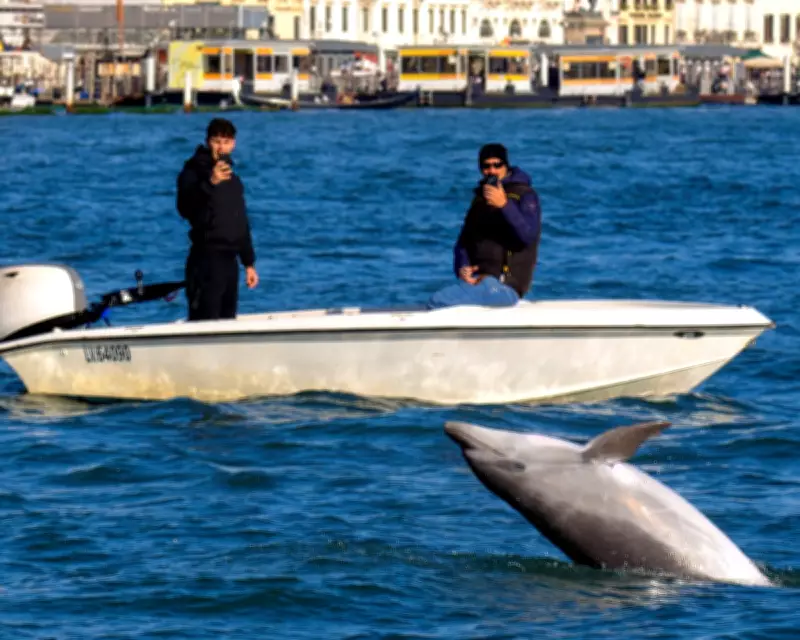
The scientists highlight several key threats facing dolphins in the Venice Lagoon. Tourism-related disturbances, such as boat traffic and noise pollution, disrupt dolphin communication and feeding behaviors. Additionally, water pollution from industrial and urban sources introduces harmful chemicals and plastics into the habitat, posing health risks to the marine mammals. Overfishing and habitat degradation further exacerbate the challenges, reducing food availability and safe breeding grounds for dolphins.
Proposed Management Strategies
To address these issues, the researchers advocate for a series of management measures aimed at mitigating human impact. These include:

- Implementing stricter regulations on boat speeds and routes to minimize disturbances to dolphins.
- Enhancing waste management and pollution control to improve water quality in the lagoon.
- Establishing protected zones where human activities are limited to allow dolphins to thrive undisturbed.
- Promoting sustainable tourism practices that educate visitors on dolphin conservation.
These strategies are designed to balance human interests with ecological needs, ensuring the long-term health of both the lagoon environment and its dolphin inhabitants.
Broader Environmental Implications
The call for human management in the Venice Lagoon reflects a broader trend in environmental science, where ecosystems increasingly require active intervention to counteract human-induced pressures. By focusing on dolphins as an indicator species, scientists aim to protect the entire lagoon ecosystem, which supports diverse marine life and plays a crucial role in regional biodiversity. This approach underscores the importance of integrating conservation efforts into urban and industrial planning to foster sustainable coexistence between humans and nature.
In conclusion, the scientists' recommendations emphasize the urgent need for coordinated action to manage human activities in the Venice Lagoon. Through targeted measures and increased awareness, it is possible to safeguard dolphin populations and preserve the ecological integrity of this iconic marine environment for future generations.