Reversing Gentrification: The Rise of Intentional Communities
Marginalized communities across the United States are increasingly turning to intentional communities as a powerful means to safeguard their traditional practices and ensure their transmission to younger generations. These small, purpose-driven groups, rooted in shared values and a common vision, are emerging as vital spaces for cultural preservation and healing. From rural ecovillages to urban co-housing setups, they offer a refuge from systemic oppression and a pathway to reclaim ancestral lands and knowledge.
Black to the Land: A Healing Sanctuary in California
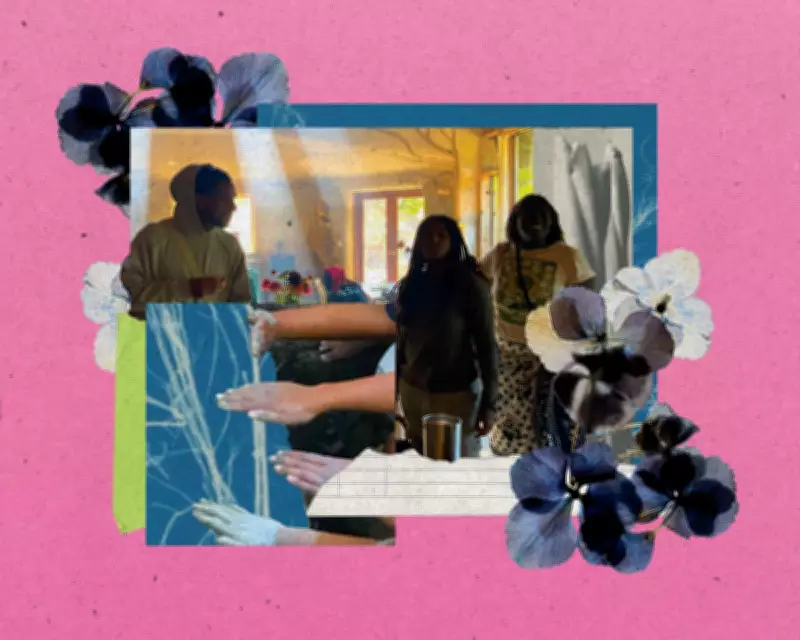
Zappa Montag, a 57-year-old educator, steps outside his home in Boonville, California, surrounded by a lush landscape of redwoods, fruit trees, and a thriving garden. At Black to the Land, an ecovillage located 115 miles north of San Francisco, Montag and five other Black stewards live off-grid, powered by solar panels and reliant on well water. Founded in 2015 with his daughter Bibi Sarai, the community was conceived as a response to the gentrification they witnessed in Oakland, aiming to "reverse-gentrify the country" by creating a healing space for Black people immersed in nature.
After Bibi Sarai's tragic death in 2023, Montag nearly abandoned the project, but the positive impact on visitors' wellness inspired him to continue. The community, now stewarded through a reparations-style agreement with the former Emerald Earth Sanctuary, focuses on agriculture, building skills, and hosting workshops. Members, ranging from their late 20s to mid-50s, share chores, raise funds through grants, and practice communal governance, emphasizing self-reliance in an uncertain world.

Indigenous Reclamation in Alabama
In Alabama, the Ekvn-Yefolecv ecovillage represents a profound reclamation of land from which the Maskoke people were forcibly removed 180 years ago. Established in 2018, this Indigenous community operates under matriarchal governance, with residents speaking their ancestral language daily and engaging in traditional foraging, crop cultivation, and animal reintroduction. Unlike federal reservations, the land is collectively titled, allowing for ecological sustainability and cultural retention. Marcus Briggs-Cloud, a co-founder, emphasizes the need to recreate societies where Indigenous languages and lifeways can thrive, free from settler-colonial influences.
Decolonial Initiatives in Massachusetts
In central Massachusetts, the Solidarity Arts & Education Decolonial Initiatives (SAEDi) collective provides a communal home for women of color. Managed by Afro-Latine filmmaker Julivic Marquez and owned by founder K Melchor Quick Hall, the house supports residents through flexible rent, shared childcare, and collaborative projects on food sovereignty and reparations. Monthly meetings in Spanish and English, along with plans for gardens and elder residencies, aim to combat the precarity faced by immigrant and marginalized families in a hostile political climate.
Historical Roots and Modern Movements
The origins of Black intentional communities trace back to the civil rights era, with New Communities in Georgia founded in 1969 as the first community land trust in the U.S. Despite challenges, including discrimination and foreclosure, the organization's legacy continues through mentorship and land-based workshops. Today, groups like the Bipoc Intentional Community Council support Black and brown people in creating similar spaces, addressing the capital disparities that often limit access for marginalized groups.
Crystal Byrd Farmer, a board member, notes a growing "back-to-the-land movement" where people seek to return to their roots through farming and communal living. She highlights that while intentional communities are often portrayed as radical, they echo ancient human practices of small-group support, now navigated within capitalist frameworks.

Healing and Joy in Communal Spaces
For many, these communities offer a respite from oppression, enabling reflection, grief, and joy. At Black to the Land, Montag finds solace in a memorial bench for his daughter, using the land to stay connected to her spirit. Future plans include grief rituals and a memorial garden, underscoring the therapeutic power of nature. As Montag reflects, enjoying life is essential to the journey, whether basking by a river or sharing meals in a community center.
Ultimately, intentional communities serve as beacons of resilience, empowering marginalized groups to protect their heritage, foster intergenerational knowledge, and build sustainable futures. From California to Alabama, these spaces are not just about survival but about thriving in harmony with tradition and the land.